
“`html
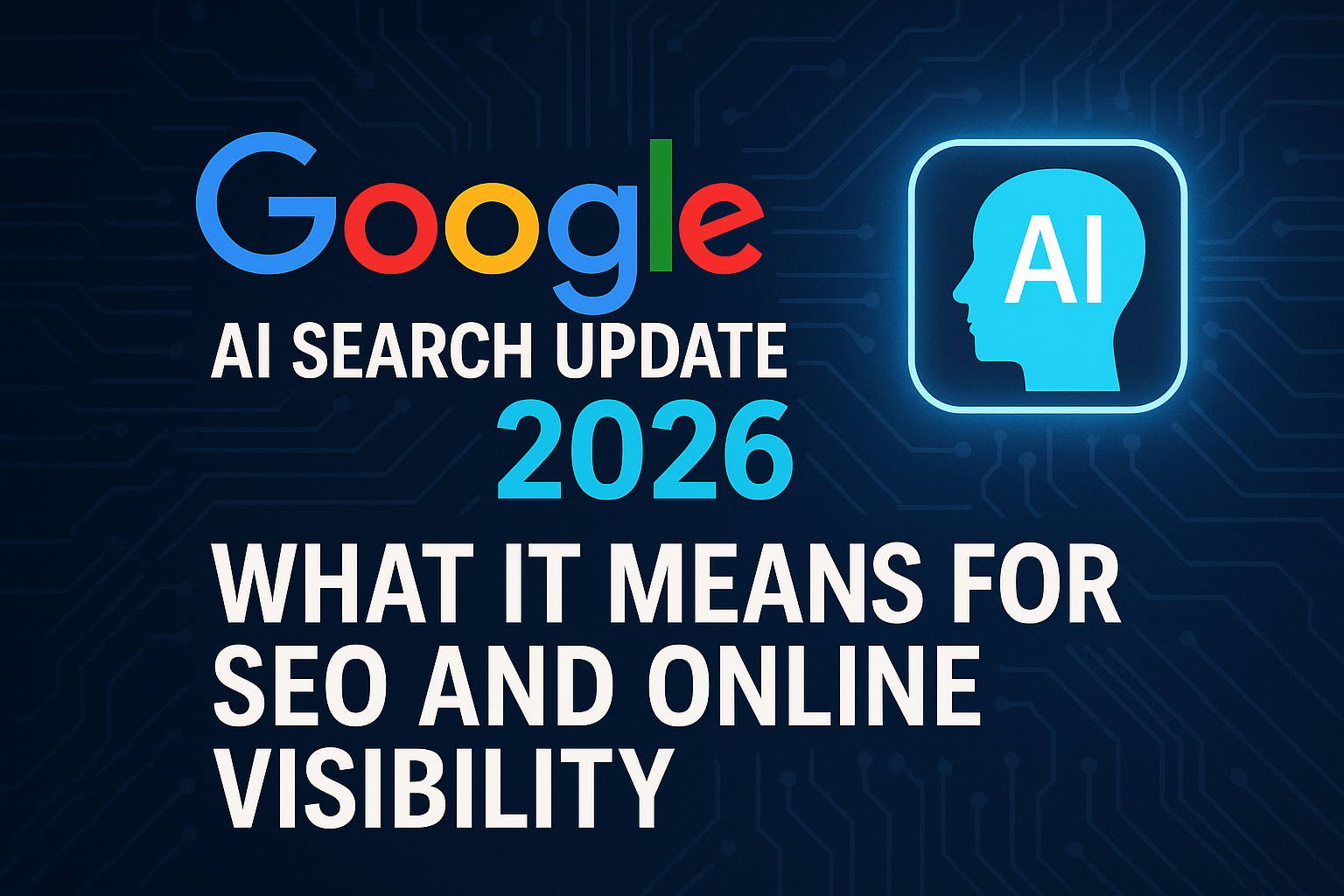
On May 19, 2026, Google made waves during its I/O announcements, revealing significant changes to its search algorithms that could redefine how users interact with information online. The Google AI Search Update 2026 is not just another incremental tweak; it’s a profound transformation in the search landscape that every marketer, publisher, and content creator needs to understand. With the AI mode now boasting over 1 billion monthly users and queries surging threefold, the implications for SEO and online visibility are monumental.
The Rise of AI-Powered Search
Google’s shift toward AI-driven search isn’t new, but the scale at which it’s happening is unprecedented. The latest data indicates that follow-up search queries, which indicate a user’s intent to dig deeper into a subject, have increased by 40% each month. This trend suggests that users are increasingly reliant on AI tools to refine their searches, seeking more nuanced and relevant information.
This shift reflects a broader trend in user behavior: individuals are not just looking for answers but are engaging in a more interactive dialogue with search engines. The introduction of advanced AI models, specifically the Gemini 3.5 Flash technology, is rapidly changing the parameters of search engine optimization. The focus is now on reasoning rather than mere retrieval of information, suggesting that Google’s algorithms are being designed to understand and interpret user intent in more sophisticated ways.
Impacts on Organic Click-Through Rates
With any significant update comes a ripple effect on existing metrics, and one of the most alarming statistics from the Google AI Search Update 2026 is the staggering 61% drop in organic click-through rates (CTR) on AI Overview queries. This decline has raised red flags among content creators and marketers who heavily rely on search engine traffic for visibility and revenue.
What does this mean for publishers? It indicates that users are increasingly finding what they need through the AI’s responses rather than clicking through to individual websites. For example, if a user searches for information about climate change, the AI might summarize recent findings, provide statistics, and even suggest further reading—all without directing the user to an external link. This behavior could diminish the incentive for creating content that ranks high on Google, complicating the SEO landscape.
Transitioning from Retrieval to Reasoning
Historically, Google has functioned primarily as a retrieval system, sifting through billions of pages to present the most relevant results. However, the Google AI Search Update 2026 marks a decisive shift toward employing reasoning engines. With Gemini 3.5 Flash, Google aims to provide answers that not only respond to user queries but also anticipate user needs based on previous interactions and contextual relevance.
This evolution necessitates a reevaluation of SEO strategies. It’s no longer just about optimizing for specific keywords; it’s about crafting content that engages users and encourages a deeper exploration of topics. In practice, this could mean integrating more conversational tones, using structured data, and providing comprehensive, authoritative content that aligns with the anticipated questions users might ask.
SEO Strategies in the Age of AI
With the shifts introduced by the Google AI Search Update 2026, marketers must adapt their SEO strategies. Here are some actionable tips: (See: CDC Youth Risk Behavior Survey.)
- Focus on User Intent: Understand what your target audience is really searching for. Utilize tools like Google Search Console to analyze search queries driving traffic to your site, and tailor your content to better meet those needs.
- Create Comprehensive Content: Go beyond surface-level content. Provide in-depth analysis, expert opinions, and resources that address various aspects of a topic.
- Optimize for Conversational Queries: As users become accustomed to interacting with AI, queries will become more conversational. Consider how users might phrase their questions and incorporate these natural language elements into your content.
- Leverage Structured Data: Implement structured data to help Google understand your content better. This can enhance the likelihood of your content being featured in rich snippets or other enhanced search results.
- Encourage Engagement: Foster a community around your content. The more users interact with your site (through comments, shares, etc.), the more Google recognizes its value.
The Role of Content Creators in an AI-Driven Landscape
As AI continues to dominate search, content creators face both challenges and opportunities. The decline in organic CTR does not mean the end of content marketing; rather, it calls for a pivot in approach. Creators must now prioritize value and storytelling in their content.
When users engage with content that resonates, they are more likely to share it on social media or recommend it to others. This organic promotion can drive traffic in ways that traditional SEO metrics may not capture. By focusing on building relationships and offering insights, content creators can still achieve visibility in this new environment.
Industry Responses to the Update
The Google AI Search Update 2026 has sparked widespread discussion across the SEO and tech communities. Many industry experts have voiced concerns regarding the implications of decreased organic CTR and the potential for content creators to be overshadowed by AI-generated summaries.
However, some view this update as an opportunity for innovation. For instance, businesses that adapt quickly to AI’s evolving landscape can gain a competitive edge. Companies investing in AI-driven technologies to enhance their content delivery and improve user experience may find themselves well-positioned to thrive in this new search paradigm.
Looking Ahead: The Future of Search
As we look to the future of search, it’s clear that the Google AI Search Update 2026 is just the beginning. The landscape will continue to evolve as AI technology advances. Marketers and content creators must be agile and prepared to adapt to these changes.
In this context, ongoing education and staying informed about emerging trends will be crucial. Subscribing to industry newsletters, participating in SEO forums, and attending digital marketing conferences can provide valuable insights into how to navigate this complex environment.
Ultimately, the key takeaway is that the focus should shift from merely chasing rankings to understanding user behavior and delivering genuine value. By doing so, businesses and creators can forge meaningful connections with their audiences, ensuring their relevance in an ever-changing digital landscape.
How to Measure Success Post-Update
As with any significant algorithm update, measuring the success of your SEO strategies in light of the Google AI Search Update 2026 will require new metrics and KPIs. Traditional metrics like organic traffic and rankings may not tell the whole story anymore. Here are some ways to redefine success in this new landscape: (See: New York Times on Google AI Search Update.)
- Engagement Rates: Look beyond click-through rates to metrics like time spent on page, scroll depth, and interaction rates. These can give you insight into how well content is resonating with your audience.
- Social Shares: Monitor how often your content is shared across social media platforms. Increased shares can indicate that your content is providing value and prompting discussions.
- Returning Visitors: Analyze how many users return to your site after their initial visit. High return rates suggest that your content is compelling enough for users to seek it out again.
- Conversion Rates: Track conversions from users who interacted with your content. This will help you understand the tangible impact of your content on your business goals.
Expert Opinions on the Future of Search
Industry experts have varied perspectives on the ramifications of the Google AI Search Update 2026. Some believe it heralds a new era of transparency and relevance, while others express concerns about the long-term viability of organic content creation. Dr. Susan Richards, a digital marketing strategist, notes, “The focus on reasoning over retrieval can fundamentally change how we craft content. It’s not just about answering questions anymore; it’s about building trust and authority.”
Conversely, marketing consultant Tom Ellis warns, “If content creators don’t adapt quickly, they risk becoming irrelevant. The market will favor those who can leverage AI to enhance their storytelling, not just those who optimize for traditional SEO.” This dual perspective highlights the need for a balanced approach that combines AI capabilities with human creativity.
Frequently Asked Questions (FAQ)
What is the Google AI Search Update 2026?
The Google AI Search Update 2026 refers to significant changes made to Google’s search algorithms, focusing on AI-driven search capabilities, particularly through the Gemini 3.5 Flash technology. This update aims to enhance how the search engine understands and responds to user queries, shifting from simple retrieval to more complex reasoning processes.
How does this update affect SEO strategies?
This update necessitates a shift in SEO strategies. Marketers must focus more on user intent, create comprehensive content, optimize for conversational queries, and leverage structured data while fostering user engagement.
What should content creators do in response to the update?
Content creators should prioritize storytelling, engage with their audience, and adapt their content to be more interactive and valuable. Focusing on creating genuine connections and offering insightful content can help maintain visibility in search results.
Are there new metrics to consider for measuring success after this update?
Yes, metrics such as engagement rates, social shares, returning visitor counts, and conversion rates will become increasingly important for measuring the success of your SEO efforts in the wake of the update.
How can businesses stay competitive post-update?
Businesses can stay competitive by embracing AI technologies, continuously educating themselves about emerging trends, and adapting their content strategies to align with user behavior and preferences. Engaging with industry experts and innovating their approach will also be crucial for success. (See: Harvard University research on AI.)
Potential Challenges Ahead
As the Google AI Search Update 2026 unfolds, several challenges are on the horizon for marketers and content creators. One major concern is the potential for misinformation. AI systems, while powerful, can sometimes provide inaccurate or misleading information if not properly trained or updated. This could lead to users relying on flawed AI-generated summaries, potentially harming the credibility of businesses that are trying to provide accurate information.
Additionally, as AI-generated content becomes more prevalent, distinguishing between human and AI content may become increasingly difficult. This blurring of lines could lead to issues of authenticity and trust, which are crucial in maintaining user engagement and loyalty. Content creators must ensure that their material stands out not only in information quality but also in fostering a genuine connection with their audience.
Long-Term Effects on Search Engine Rankings
The long-term consequences of the Google AI Search Update 2026 for search engine rankings are still unfolding. While the immediate effect has been a decline in organic CTR, the broader implications might lead to a more quality-driven approach to SEO. Over time, this could reward content that is not only relevant but also well-researched, thoroughly referenced, and innovative in its delivery.
Research indicates that Google may prioritize websites that demonstrate a commitment to user experience, including mobile-friendliness, fast loading times, and easy navigation. Adapting to these criteria will be essential for maintaining and improving rankings in the future.
Conclusion: Embracing the Change
The Google AI Search Update 2026 presents both challenges and opportunities. As the search landscape continues to evolve, businesses and content creators must embrace change and adapt their strategies accordingly. By focusing on user intent, fostering engagement, and ensuring content authenticity, they can navigate the complexities of this new environment. Remember, the future of search is not just about algorithms; it’s about the relationships built with users through valuable content that addresses their needs.
“`
Trending Now
Frequently Asked Questions
What is the Google AI Search Update 2026?
The Google AI Search Update 2026, announced on May 19, 2026, introduces significant changes to Google's search algorithms. It emphasizes AI-driven interactions, focusing on understanding user intent rather than just retrieving information, marking a pivotal shift in how users engage with search engines.
How does the Google AI Search Update affect SEO?
The update profoundly impacts SEO by shifting the focus from traditional keyword optimization to understanding user intent and context. Marketers and content creators need to adapt their strategies to align with the new AI-driven search dynamics to maintain visibility and engagement.
What changes have occurred in user behavior due to the AI Search Update?
User behavior has shifted significantly, with a 40% increase in follow-up search queries, indicating that users are seeking deeper, more nuanced information. This trend reflects a growing reliance on AI tools for interactive and personalized search experiences.
What does the 61% drop in organic click-through rates mean?
The 61% drop in organic click-through rates (CTR) on AI Overview queries signals a major shift in how users interact with search results. This decline raises concerns for content creators and marketers who depend on search traffic for visibility and revenue.
What is Gemini 3.5 Flash technology?
Gemini 3.5 Flash technology is an advanced AI model introduced by Google that enhances search capabilities. It focuses on reasoning and understanding user intent, transforming how information is retrieved and presented in search results, thereby impacting SEO strategies.
Have you experienced this yourself? We’d love to hear your story in the comments.