
“`html
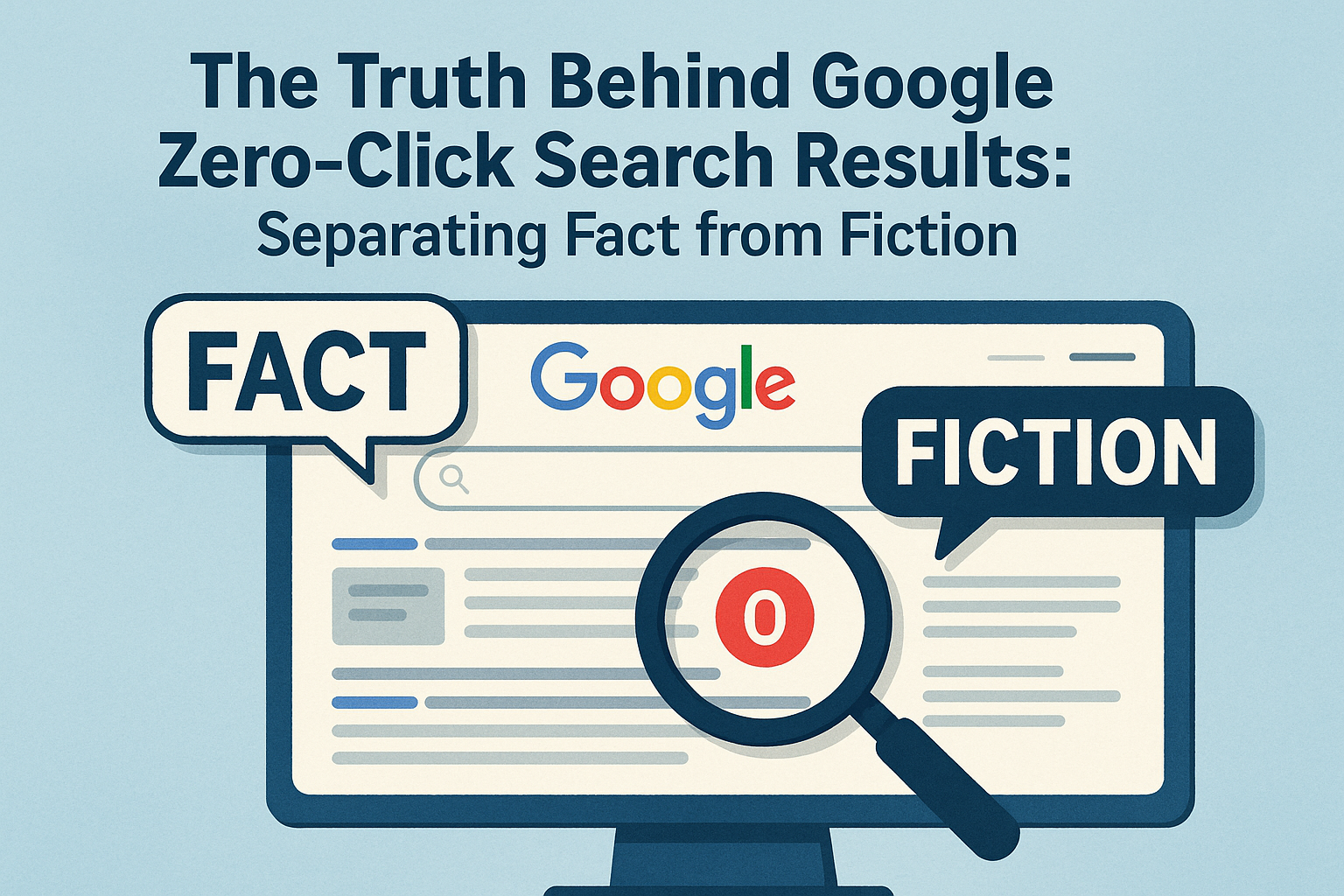
The digital landscape is filled with buzzwords and statistics that can sometimes baffle even the most seasoned marketers and SEO professionals. One buzzword that has gained traction in recent years is the concept of Google zero-click search results. The narrative that nearly 60% of searches on Google end without a click has become a rallying cry for many who fear for their web traffic and visibility. But what if I told you that this number might be an exaggeration?
Understanding the Zero-Click Phenomenon
Before we dig into the numbers, let’s clarify what zero-click search results actually are. In simple terms, these are instances where users find the answer to their query directly on the search results page, often through featured snippets, knowledge panels, or local answers. This means they don’t need to click through to a website, which raises concerns for businesses and content creators reliant on web traffic.
Now, the alarming statistic that 60% of searches result in zero clicks seems to suggest that the very foundation of online visibility is crumbling. Many agencies have jumped on this figure, using it to create a sense of urgency among clients and stakeholders. However, as we’ll explore, this claim isn’t as solid as it might seem.
Dissecting the 60% Claim
The frequently cited figure of 60% originates from various reports and studies, many of which appear to lack rigorous methodology. Most notably, the figure has not been confirmed by Google itself. Instead, it seems to have emerged from a combination of interpretations and extrapolations that don’t necessarily reflect the true state of affairs.
When digging deeper, analysts have pointed out that the actual number of Google zero-click search results is closer to 37.1%, a figure that paints a less dire picture. This statistic is crucial because it invites us to reassess the landscape of online search behavior and helps businesses calibrate their strategies more realistically.
The Stability of Zero-Click Behavior
Another critical aspect of this discussion is that zero-click behavior hasn’t seen the dramatic increase that many reports suggest. Since 2020, the rate of zero-click searches has been relatively stable, rather than experiencing a sudden surge due to the rise of AI-generated answers. Anecdotal evidence often highlights the impact of AI tools like chatbots and virtual assistants, which can certainly provide immediate answers, but the overall behavior of users seems to be more consistent.
This stability is important for businesses to understand. If zero-click searches are not climbing at an alarming rate, there’s less need for panic. Instead, the focus should be on adapting content to fit into the search results that do lead to clicks.
The Importance of Accurate Data
In this era of information overload, the significance of reliable data cannot be overstated. Misleading statistics can lead to misguided strategies, wasted resources, and unnecessary anxiety. Marketers and businesses need to ensure they’re working with accurate figures before making drastic changes to their SEO and digital marketing strategies. (See: Understanding zero-click search results.)
It’s essential to look for credible studies and reports that provide a clear methodology behind their findings. In the case of the zero-click statistic, researchers should use comprehensive datasets and ensure a balanced representation of search queries across various sectors to avoid skewing results.
Strategies for Businesses Facing Zero-Click Searches
While the rise in zero-click searches can seem daunting, businesses can take proactive steps to adjust their strategies. Instead of fearing these results, companies can optimize their content to take advantage of them.
- Optimize for Featured Snippets: Create content that answers common questions in a direct and concise manner. This increases your chances of being featured in a snippet, which can still bring awareness to your brand.
- Leverage Local SEO: Many zero-click searches pertain to local results. Ensure your business is listed accurately on Google My Business and that your local SEO strategies are robust.
- Focus on User Intent: Understand what users are searching for and tailor your content to meet those needs. This involves employing keyword research and analytics to refine your content strategy.
- Engage with Your Audience: Building a community around your brand through social media and other channels can create loyalty and encourage users to click through to your site, regardless of zero-click results.
Embracing Change in Search Behavior
The digital marketing landscape is constantly evolving, and change is inevitable. While the narrative surrounding Google zero-click search results can be alarming, it’s crucial to adapt rather than resist. Embrace new technologies, understand changing user behaviors, and be prepared to pivot your strategies as necessary.
Additionally, consider the benefits that some zero-click results can bring. For instance, if your business is featured in a knowledge panel or as a top answer to a query, you’re still gaining visibility, even if users aren’t clicking through to your website. Think of these results as a way to build authority and establish your brand in the minds of potential customers.
The Future of Google Search
Looking ahead, it’s likely that zero-click searches will continue to be a significant aspect of the search landscape. As technologies like AI advance and user behavior shifts, businesses must remain agile, ready to adjust their strategies based on emerging trends.
One potential area of growth is the integration of AI tools that can enhance the user experience while still driving traffic to websites. For example, using AI to offer personalized search results can create a more engaging interaction for users, potentially leading to a balance between zero-click results and traffic generation.
Moreover, as Google continues to refine its algorithms, the opportunities for businesses to capture traffic may evolve. Keeping a close eye on these developments will be key to staying ahead of the competition.
Types of Zero-Click Search Results
Understanding the various forms of zero-click search results can help businesses strategize better. The most common types include:
- Featured Snippets: These are summary answers shown at the top of the search results page. They can be text, lists, or tables and are designed to provide a quick answer to the user’s query.
- Knowledge Graph: This panel appears on the right of the search results page, showing information about entities such as people, places, and things. It’s especially useful for users looking for quick facts.
- Local Pack: When users search for local businesses, Google displays a map along with three local businesses. This format is designed to give immediate information to users without needing to click through.
- People Also Ask: This feature shows a list of related questions that users can click to reveal answers directly within the search results.
By recognizing these formats, businesses can tailor their content to increase their chances of being featured, thus improving their visibility even in a zero-click environment. (See: Youth Risk Behavior Surveillance System.)
Expert Perspectives on Zero-Click Searches
Industry experts have varied opinions about the impact of zero-click searches on businesses. Some argue that these results signify a shift in how users consume information, while others view them as an opportunity for businesses to innovate. For instance, renowned SEO expert Rand Fishkin suggests that zero-click results can position brands as trusted authorities. He notes, “While it may seem counterintuitive, being featured in zero-click results can enhance brand recognition and foster trust, which could lead to more clicks in the long term.”
Conversely, other experts warn that as zero-click searches become more prevalent, there could be a long-term decline in web traffic for content-heavy sites. According to a survey conducted by SEMrush, over 50% of marketers expressed concern about their organic traffic being affected by the rise of zero-click searches.
Comparing Clicks vs. Zero-Click Results
While clicks have traditionally been the primary metric for gauging online success, zero-click results offer a new perspective on engagement. Here’s a quick comparison:
| Metric | Clicks | Zero-Click Results |
|---|---|---|
| Visibility | Direct traffic to your site | Brand visibility on SERPs |
| Engagement | Users spend time on your site | Quick answers may deter prolonged visits |
| Measurement | Easy to track analytics | Challenging to measure true impact |
This comparison highlights the necessity for businesses to balance traditional organic traffic strategies with innovative approaches that cater to the changing landscape driven by Google zero-click search results.
FAQ About Google Zero-Click Search Results
What are zero-click search results?
Zero-click search results are answers provided directly on the Google search results page that do not require users to click through to a website to find the information.
How can businesses benefit from zero-click results?
Businesses can benefit from zero-click results by enhancing their visibility and establishing authority in their niche. Even without clicks, being featured prominently can foster brand recognition.
Are zero-click results bad for web traffic?
While they can lead to fewer direct clicks, zero-click results can also enhance brand visibility and may indirectly drive traffic from users who recognize and trust your brand. Therefore, it’s important to adapt and not view them purely negatively.
What types of content are most likely to achieve zero-click results?
Content that answers common questions directly, provides concise information, or is formatted as lists and tables tends to perform well in securing zero-click results. (See: The impact of zero-click searches.)
Is the percentage of zero-click searches increasing?
While some reports suggest growth, more reliable analyses indicate that the percentage of zero-click searches has remained relatively stable in recent years.
How does mobile search behavior affect zero-click results?
Mobile searches often lead to a higher rate of zero-click results as users are looking for quick answers on-the-go. An increasing number of searches are conducted via mobile devices, which can lead to different engagement metrics compared to desktop searches.
Can zero-click results be optimized for specific industries?
Yes, zero-click results can be optimized for specific industries. By tailoring content to answer industry-specific questions and utilizing appropriate formats, businesses can improve their chances of being featured. For example, a restaurant could optimize its menu items and reviews for featured snippets.
Final Thoughts
In the complex world of digital marketing, clarity is essential. The myth of the 60% zero-click search results has sparked much debate and concern, but a closer look reveals a more stable and manageable reality. Businesses need to focus on adapting their strategies to accommodate these changes rather than succumbing to fear.
As we move forward, it’s crucial to embrace the opportunities that arise from evolving search behaviors. By optimizing for different formats, engaging with users directly, and staying informed about industry trends, businesses can thrive in the era of Google zero-click search results. Always remember that success in digital marketing isn’t just about clicks; it’s about building relationships and providing value, which will ultimately lead to sustained growth.
“`
Trending Now
- our breakdown of unlocking potential: essential adhd accommodations for high school students beyond extended time
- this guide on unlocking potential: 7 scaffolding techniques for adhd students that transform learning
- our breakdown of unlocking focus: how adhd mindfulness interventions can transform school environments
- read the full story
Frequently Asked Questions
What are Google zero-click search results?
Google zero-click search results occur when users find the answers to their queries directly on the search results page, such as through featured snippets or knowledge panels, without needing to click on a website. This phenomenon raises concerns for businesses that rely on web traffic.
Is the 60% zero-click search statistic accurate?
The often-cited statistic of 60% of searches ending without a click is considered exaggerated. Analysts suggest that the actual figure is closer to 37.1%, indicating a less severe impact on online visibility than previously thought.
How do zero-click searches affect SEO?
Zero-click searches can impact SEO by reducing website traffic since users may find their answers directly on the search page. However, understanding the actual percentage of zero-click results can help businesses adjust their SEO strategies accordingly.
Why do people worry about zero-click searches?
Many marketers and businesses express concern over zero-click searches because they fear a decline in web traffic and visibility. The narrative suggests that fewer clicks may lead to diminished online presence, although actual statistics may paint a less dire picture.
What should businesses do about zero-click results?
Businesses should reassess their digital strategies in light of zero-click results. By focusing on optimizing content for featured snippets and knowledge panels, companies can still capture audience attention even if users don't click through to their websites.
Have you experienced this yourself? We’d love to hear your story in the comments.