

“`html
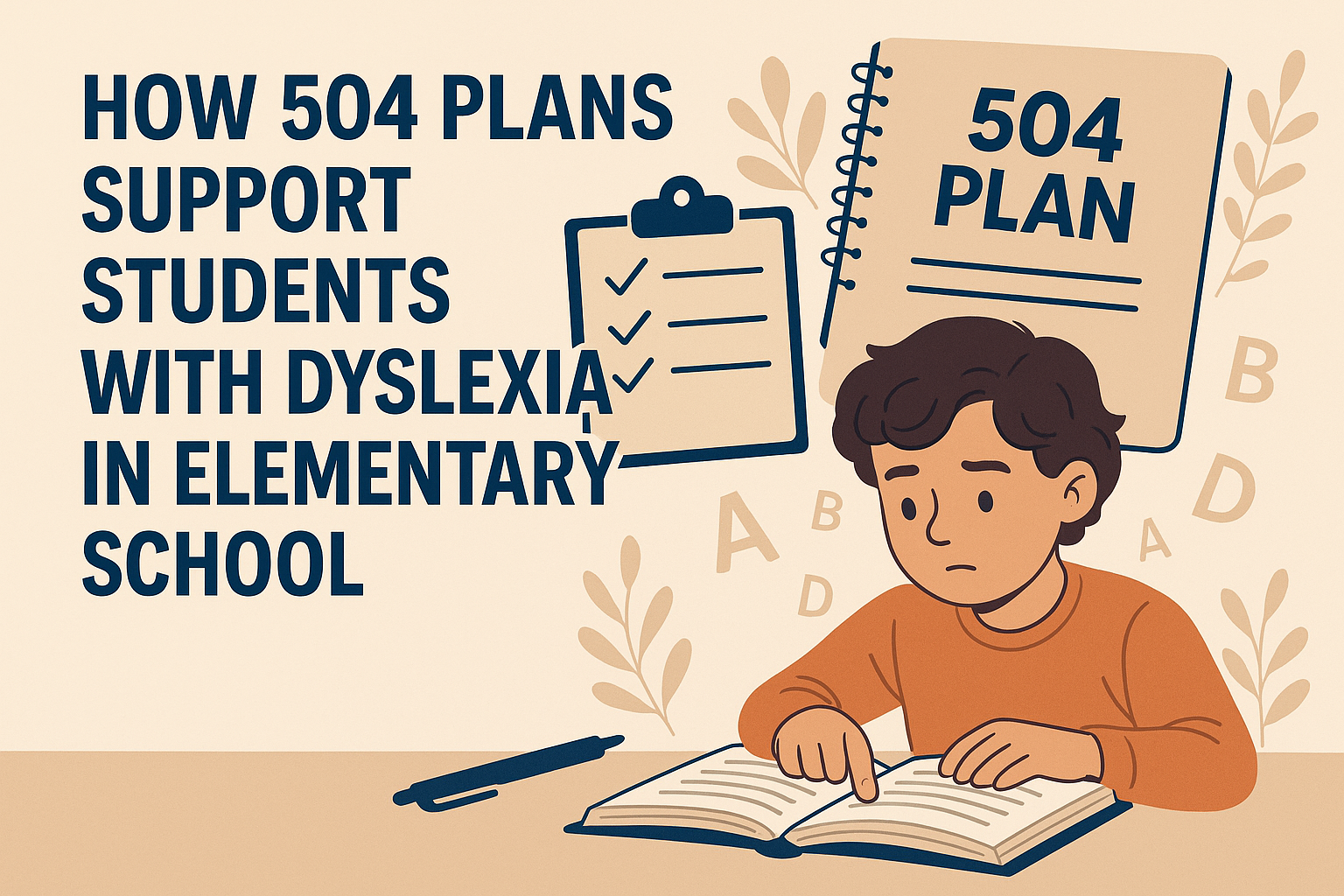
Dyslexia, a learning disorder that affects reading and related language-based processing skills, challenges many students in elementary school. This can often lead to frustration, low self-esteem, and a sense of hopelessness. However, through the implementation of 504 plans for dyslexia, schools can provide the necessary support, allowing students to thrive in an academic environment. In this article, we’ll explore what 504 plans are, their significance for students with dyslexia, and how these plans help bridge the gap between challenges and academic success.
Understanding 504 Plans: A Brief Overview
Section 504 of the Rehabilitation Act of 1973 is a federal law aimed at preventing discrimination against individuals with disabilities in programs that receive federal funding, including public schools. A 504 plan is designed specifically for students who, while not eligible for special education services under the Individuals with Disabilities Education Act (IDEA), nonetheless require accommodations to succeed academically.
For students with dyslexia, a 504 plan can provide tailored support, ensuring that they have equal access to educational opportunities. These plans outline specific accommodations, such as extended time on tests, modified assignments, and access to assistive technology, which can significantly enhance the learning experience.
The Importance of 504 Plans for Students with Dyslexia
Given that dyslexia affects approximately 5-15% of the population, the impact of 504 plans for dyslexia cannot be overstated. These plans not only address the academic needs of students but also consider their emotional and social development.
1. **Leveling the Playing Field:** With the right accommodations, students with dyslexia can perform on par with their peers. For example, allowing extra time for reading assignments can alleviate the pressure they may feel and help them demonstrate their true understanding of the material.
2. **Promoting Self-Advocacy:** A well-executed 504 plan empowers students to understand their learning needs. This awareness encourages them to advocate for themselves, an essential skill that extends beyond the classroom. Knowing what accommodations work for them allows students to take charge of their education.
3. **Emotional Support:** Students with dyslexia often experience frustration when their peers seem to grasp reading and writing tasks with ease. A 504 plan can help mitigate feelings of inadequacy by providing the necessary tools and support. Consequently, these students can build a more positive self-image and develop resilience.
Key Accommodations in 504 Plans for Dyslexia
One of the remarkable aspects of 504 plans is their flexibility. Each plan is tailored to meet the unique needs of the student, considering various factors such as the severity of their dyslexia, their academic requirements, and their personal preferences.
Some common accommodations included in 504 plans for dyslexia are: (See: CDC facts on dyslexia.)
- Extended Time: Allowing additional time for tests and assignments can help students process information and complete tasks without unnecessary stress.
- Alternative Formats: Offering materials in audio or digital formats can be beneficial. This includes audiobooks and text-to-speech software, which can help students access content more readily.
- Modified Testing Conditions: Providing a quiet space for testing, or allowing the use of a computer for written responses, can help reduce anxiety and improve performance.
- Assistive Technology: Tools like speech recognition software and word prediction programs can facilitate writing tasks and help students articulate their thoughts more clearly.
- Reduced Assignments: Modifying the quantity of work can prevent overwhelm, allowing students to focus on mastering the material rather than struggling with excessive volume.
The Process of Obtaining a 504 Plan
For parents and educators, understanding the process of obtaining a 504 plan for dyslexia can feel daunting, but it’s a vital step in securing the necessary support for students. Here’s a simplified breakdown of how to navigate this process:
1. **Initial Evaluation:** If a parent suspects that their child has dyslexia, the first step is to communicate this concern with school officials. Schools often require documentation from a licensed psychologist or specialist who can formally diagnose dyslexia.
2. **Team Meeting:** Once a diagnosis is confirmed, a team meeting is usually scheduled, involving educators, special education staff, and the parents. During this meeting, discussions revolve around the student’s needs and what accommodations would be most beneficial.
3. **Drafting the Plan:** After the team meeting, the accommodations are documented in a 504 plan. It’s essential that all parties involved agree on the strategies to be employed. This clarity is crucial for ensuring consistent support in the classroom.
4. **Implementation:** With the plan in place, it’s time for implementation. The school staff must be trained and informed about the accommodations to ensure they are applied effectively.
5. **Regular Reviews:** A 504 plan isn’t static; it should be reviewed periodically. As the student progresses, accommodations may need to be adjusted to better fit their evolving needs. (accommodating dyslexic students)
The Role of Parents and Educators
Parents and educators play critical roles in the success of 504 plans for dyslexia. Collaboration and communication between these two parties are paramount in creating an effective support system.
1. **Parent Advocacy:** Parents should not hesitate to advocate for their child’s needs. This includes staying informed about dyslexia, understanding the 504 process, and actively participating in meetings. Their insights about the child’s behavior and learning preferences are invaluable.
2. **Educator Training:** Teachers and school staff must receive training on dyslexia and how to implement accommodations effectively. Professional development opportunities focused on learning disabilities can empower educators and ensure they feel equipped to support students adequately.
3. **Building a Support Network:** Establishing a network of support between parents, teachers, and specialists can lead to better outcomes for students. This support network allows for ongoing dialogue and adjustments to the 504 plan as needed.
Current Trends and Future Directions
As awareness of dyslexia increases, so does the importance of 504 plans in educational settings. Recent initiatives aimed at improving dyslexia identification and support in schools are encouraging. (See: NIH resources on dyslexia diagnosis.)
1. **Legislative Changes:** Some states are enacting laws that require schools to provide earlier interventions for students struggling with reading. This proactive approach means that fewer students may need to rely solely on 504 plans for support.
2. **Technological Innovations:** The rise of assistive technology has opened new avenues for supporting students with dyslexia. As tools become more sophisticated, schools must integrate these resources into their 504 plans to ensure students have access to the best possible support.
3. **Greater Awareness:** Public awareness campaigns are shedding light on dyslexia, its challenges, and the effectiveness of 504 plans. As society becomes more informed, the stigma surrounding learning disabilities may decrease, leading to a more inclusive educational environment.
Understanding Dyslexia in Depth
Dyslexia is often misunderstood. It is not simply a problem with reading; it’s a complex neurological condition that affects various aspects of language processing. Research shows that dyslexia stems from differences in how the brain processes written and spoken language, which can lead to difficulties in phonological awareness, spelling, and decoding words. What’s vital to understand is that dyslexia is not a reflection of a person’s intelligence. In fact, many individuals with dyslexia possess above-average intelligence and creativity.
Recognizing these differences can lead to better educational strategies that cater to the unique learning profiles of students with dyslexia. For instance, employing multi-sensory learning techniques, such as the Orton-Gillingham approach, can significantly enhance their ability to grasp language concepts.
Statistics on Dyslexia
Understanding the prevalence and impact of dyslexia can help in advocating for necessary accommodations in schools. According to the International Dyslexia Association:
- About 1 in 5 individuals in the U.S. are affected by dyslexia.
- Dyslexia occurs in individuals of all backgrounds and intellectual abilities, making it a widespread issue that requires attention and action.
- Early identification and intervention can significantly reduce the academic struggles faced by students with dyslexia, leading to better overall outcomes.
- Research indicates that effective intervention can lead to a 30% improvement in reading proficiency for students with dyslexia when appropriate measures are taken.
Expert Perspectives on 504 Plans for Dyslexia
Experts widely endorse the implementation of 504 plans as a crucial step in supporting students with dyslexia. Dr. Sally Shaywitz, a leading researcher in the field, emphasizes the importance of early diagnosis and intervention, stating, “A child who is struggling with reading should not be left behind. With the appropriate support, they can thrive.” Roberts Academy's new program offers useful background here.
Additionally, educational psychologist Dr. Richard Selznick notes that “504 plans are vital tools that can help mitigate the challenges faced by students with dyslexia. They offer a structured way to ensure that all students have access to the same learning opportunities as their peers.” Such endorsements highlight the necessity of integrating 504 plans into school systems.
FAQ: Frequently Asked Questions about 504 Plans for Dyslexia
What is the difference between a 504 plan and an IEP?
A 504 plan provides accommodations for students who do not require specialized instruction but need help accessing the general education curriculum. An Individualized Education Program (IEP) is designed for students who require special education services under IDEA.
How do I know if my child qualifies for a 504 plan?
To qualify, your child must have a diagnosed condition that substantially limits their ability to learn. Documentation from a qualified professional is often needed to confirm the diagnosis.
Can accommodations be changed once a 504 plan is in place?
Yes, accommodations can be modified as needed. It’s essential to have regular reviews of the plan to ensure that it continues to meet the student’s evolving needs.
Are 504 plans permanent?
No, 504 plans are not permanent. They should be reviewed regularly and can be adjusted or terminated based on the student’s progress and needs.
Who is involved in creating a 504 plan?
A 504 plan is typically created by a team that includes parents, teachers, school administrators, and other relevant professionals. Collaboration is key to creating an effective plan.
Conclusion: Empowering Students through 504 Plans
The implementation of 504 plans for dyslexia is a powerful way to level the educational playing field for students in elementary school. By providing tailored accommodations, these plans can help students navigate their unique challenges while fostering a sense of belonging and self-efficacy.
As educators and parents continue to work together in advocating for these students, the goal remains: to empower children with dyslexia to reach their full potential. With the right support, every child can embrace their unique learning journey and look forward to a bright academic future.
“`
Trending Now
Frequently Asked Questions
What is a 504 plan for students with dyslexia?
A 504 plan is a legal document under Section 504 of the Rehabilitation Act that provides accommodations for students with disabilities, including dyslexia. It ensures they have equal access to education by outlining specific support measures, such as extended time on tests and modified assignments.
How can 504 plans help students with dyslexia?
504 plans help students with dyslexia by providing tailored accommodations that address their unique learning challenges. These can include extended time for assignments, access to assistive technology, and modified testing conditions, enabling them to perform on par with their peers.
What accommodations are included in a 504 plan for dyslexia?
Accommodations in a 504 plan for dyslexia may include extended time on tests, modified assignments, access to audiobooks, and the use of assistive technology. These adjustments help level the playing field and support the student's academic success.
Who qualifies for a 504 plan?
Students who have a disability that affects their learning but do not qualify for special education services under IDEA may qualify for a 504 plan. This includes students with dyslexia who require specific accommodations to succeed in school.
Why are 504 plans important for students with learning disabilities?
504 plans are crucial for students with learning disabilities, such as dyslexia, as they provide necessary accommodations that promote academic success and emotional well-being. They help ensure these students have equal access to educational opportunities and can thrive in a supportive environment.
What’s your take on this? Share your thoughts in the comments below — we read every one.



