

“`html
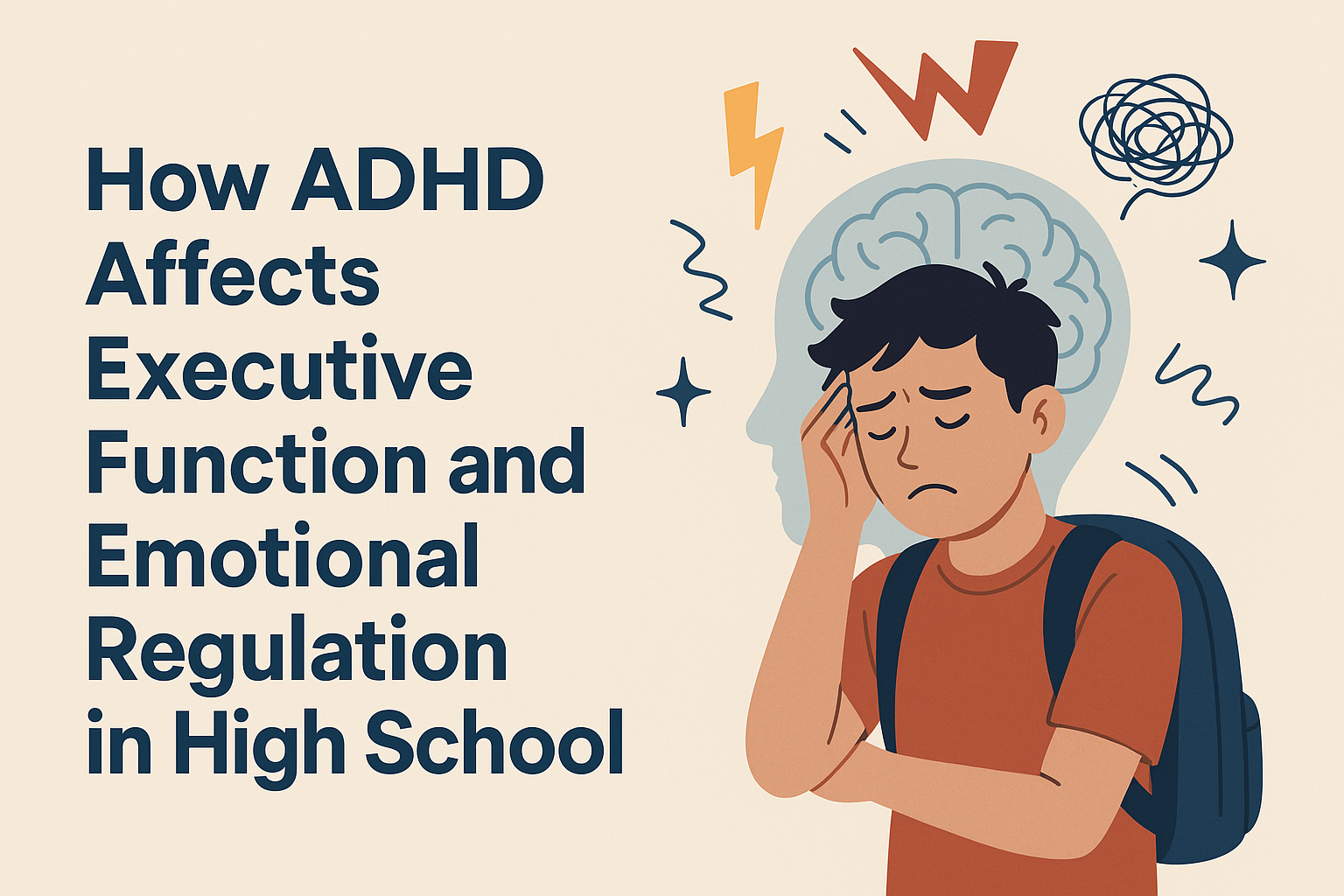
When it comes to navigating the tumultuous waters of high school, students with ADHD often face unique hurdles. While adolescence is already a challenging time for many, the added complexities of ADHD can significantly impact students’ executive function and emotional regulation. Understanding these challenges is essential for educators, parents, and peers alike.
The Basics of ADHD
Attention Deficit Hyperactivity Disorder (ADHD) is a neurodevelopmental disorder that affects both children and adults. According to the Centers for Disease Control and Prevention (CDC), about 6.1 million children in the United States have been diagnosed with ADHD. This condition manifests in various ways, including inattention, impulsivity, and hyperactivity. But what does it mean in practical terms, especially for high school students? Related reading: study skills tips.
In the high school setting, the symptoms of ADHD can become more pronounced due to increased academic and social pressures. Students are expected to manage their time, stay organized, and navigate complex social dynamics—all tasks that require robust executive function skills.
Executive Function: The Brain’s Management System
Executive function refers to a set of cognitive processes that include working memory, flexible thinking, and self-control. These skills allow individuals to plan, focus attention, remember instructions, and juggle multiple tasks successfully. For students with ADHD, these abilities often don’t develop as efficiently, leading to significant academic and social challenges.
The impact of impaired executive function is particularly evident in high school. Let’s break down some of the key areas affected:
- Time Management: Students with ADHD often struggle to allocate their time effectively. They may procrastinate on assignments or underestimate how long tasks will take, leading to last-minute cramming and incomplete work.
- Task Initiation: Starting assignments can be particularly daunting. Students might sit at their desks but find themselves unable to take the first step, which results in missed deadlines and reduced academic performance.
- Organization: Keeping track of assignments, notes, and deadlines can feel like an overwhelming challenge. Many students with ADHD find themselves disorganized, which exacerbates their academic struggles.
- Working Memory: Working memory enables students to hold onto information long enough to use it. When this skill is compromised, students may forget instructions or lose track of what they were doing.
Emotional Regulation: The Hidden Struggle
Emotional regulation is another critical aspect impacted by ADHD. This refers to the ability to manage one’s emotional responses in various situations. High school can be a breeding ground for emotional ups and downs, making effective emotional regulation essential.
Students with ADHD may experience heightened emotions or difficulty controlling their reactions. A small setback, such as receiving a low grade, can lead to disproportionate feelings of anxiety or anger. Such emotional responses can interfere with learning and social interactions, creating a cycle of struggle.
It’s crucial to note that emotional dysregulation does not just mean heightened emotions. It can also manifest in under-reacting to situations, leading to apathy or disengagement. Both extremes can hinder a student’s ability to engage fully in their education.
Practical Strategies for Support
Understanding the challenges posed by ADHD in terms of executive function and emotional regulation is just the first step. The next vital step is to implement practical strategies that can support students in high school. (See: ADHD facts from the CDC.)
Here are some effective techniques:
- Structured Environments: Creating a structured environment can help students with ADHD feel more secure and focused. This can include clear classroom rules, predictable routines, and designated study areas.
- Visual Aids: Utilizing charts, calendars, and color-coded systems can help students keep track of assignments and deadlines. Visual reminders can support their organization and planning skills.
- Break Tasks into Manageable Steps: Instead of presenting a large project all at once, break it down into smaller, more manageable tasks. This approach can help with task initiation and reduce feelings of overwhelm.
- Emotional Check-Ins: Regular emotional check-ins can help students articulate their feelings and develop coping strategies. Teachers and parents can provide a safe space for students to express their emotions.
- Mindfulness Practices: Incorporating mindfulness techniques, such as deep breathing or meditation, can improve emotional regulation and focus. These practices help students center themselves and reduce anxiety.
The Role of Educators and Parents
Support from teachers and parents is paramount in fostering the success of students with ADHD. Educators who understand the nuances of ADHD can create inclusive classrooms that accommodate diverse learning needs.
Teachers can implement individualized education plans (IEPs) or 504 plans, which outline specific accommodations tailored to the student’s needs. These accommodations might include extended time on tests, preferential seating, or access to assistive technology.
Parents can also play a crucial role by advocating for their child’s needs and maintaining open lines of communication with educators. By collaborating with teachers, parents can work together to develop strategies that are effective both at home and in the classroom.
Current Research and Future Perspectives
Research into ADHD is ongoing, with new studies shedding light on effective treatment methods and educational strategies. Recent findings indicate that combining behavioral therapy with medication can be particularly effective for managing symptoms. This dual approach allows students to develop coping strategies while also addressing the neurochemical aspects of ADHD.
As we continue to learn more about ADHD, the importance of early identification and intervention becomes increasingly clear. Schools are beginning to adopt screening tools that can identify students at risk for ADHD earlier in their educational journey. The sooner support is put in place, the better the outcomes for students.
Moreover, there’s a growing awareness of the need for social-emotional learning (SEL) programs in schools. These programs aim to teach students skills for emotional regulation, relationship building, and responsible decision-making—skills that are especially beneficial for students with ADHD.
The Impact of Technology on Students with ADHD
In today’s digital age, technology can be a double-edged sword for students with ADHD. On one hand, it can provide useful tools for organization and time management, while on the other, it can be a source of distraction.
Applications designed for task management, such as Trello or Todoist, can help students break down assignments into smaller tasks and set deadlines. These tools can also send reminders, keeping students accountable. However, it’s essential to balance technology use to prevent distractions from games or social media.
Some schools are introducing technology-based learning environments, using tablets and computers to enhance engagement. For students with ADHD, interactive lessons through educational apps can be more stimulating than traditional lectures, helping them stay focused and engaged. (See: National Institute of Child Health and Human Development.)
Statistics and Challenges in High School
Statistics show that students with ADHD may be at a higher risk for academic underachievement. A study published in The Journal of School Psychology found that nearly 30% of students with ADHD failed at least one class in high school, compared to just 10% of their peers without the disorder. This alarming difference underscores the urgency for tailored interventions.
Additionally, students with ADHD are also more likely to have co-occurring conditions, such as anxiety disorders or learning disabilities. These complexities add layers of challenge, making it even more critical to provide comprehensive support that addresses all areas of need.
Strategies for Peer Support
While educators and parents play significant roles, peers can also be pivotal in supporting students with ADHD. Friends can help create a positive social environment that fosters inclusivity and understanding.
Encouraging friends to engage in group study sessions can provide the structured support many students with ADHD need. They can also help their peers stay focused by minimizing distractions during group work or study times. It’s important for peers to understand the challenges their friends face and to approach them with empathy and support.
FAQs about ADHD Executive Function in High School
What is executive function and how does it relate to ADHD?
Executive function is a set of cognitive processes that include skills like planning, organization, time management, and emotional regulation. For students with ADHD, these skills may not develop as efficiently, leading to challenges in academic and social situations.
How can schools better support students with ADHD?
Schools can implement individualized education plans (IEPs), offer specialized training for teachers, and adopt social-emotional learning programs. Creating a structured and supportive classroom environment is also essential.
Can students with ADHD succeed in high school?
Absolutely! With the right support, accommodations, and strategies in place, students with ADHD can thrive in high school and go on to achieve their goals. Early intervention and ongoing support are key components of their success.
What role can parents play in supporting their child with ADHD?
Parents can advocate for their child’s needs at school, maintain open communication with teachers, and implement strategies at home that promote organization and emotional regulation. Encouragement and support from parents can significantly affect a student’s self-esteem and motivation.
Addressing Stigma and Misunderstandings
One of the significant barriers students with ADHD face in high school is the stigma attached to the disorder. Many people still hold misconceptions about ADHD, often viewing it as a lack of willpower or motivation. This misunderstanding can lead to feelings of isolation for students, making it vital to educate peers and staff about the realities of ADHD.
Schools can take proactive steps to address stigma by implementing awareness programs that educate students about ADHD. By promoting empathy and understanding, schools can foster an environment where students feel supported and less judged for their struggles.
Real-Life Examples of Successful ADHD Management
Success stories can be powerful motivators for students struggling with ADHD. Consider the case of a high school student named Emily who faced significant challenges due to her ADHD. With the support of her teachers and a personalized learning plan, she began to utilize organizational tools and mindfulness techniques. Over time, Emily improved her grades and developed better emotional regulation skills, illustrating the potential for success when students are supported appropriately.
Another example is Jordan, who struggled with task initiation. By breaking down his assignments into smaller tasks and using a timer for focused work periods, he found that he could manage his time more effectively. Jordan’s journey highlights the importance of finding personalized strategies that cater to each student’s unique needs.
Conclusion: Embracing Differences and Promoting Success
Understanding how ADHD affects executive function and emotional regulation in high school is critical for fostering an inclusive and supportive educational environment. By acknowledging the challenges faced by students with ADHD, we can implement effective strategies that will promote their success.
In the end, it’s about more than just academic achievement. It’s about ensuring that all students, regardless of their challenges, have the tools they need to thrive. With the right support, students with ADHD can not only manage their symptoms but also realize their full potential as individuals.
“`
Trending Now
Frequently Asked Questions
How does ADHD affect executive function in high school students?
ADHD can significantly impair executive function in high school students, affecting their ability to manage time, organize tasks, and stay focused. These challenges can lead to difficulties in completing assignments and navigating the increased academic pressures of high school.
What are the symptoms of ADHD in adolescents?
In adolescents, ADHD symptoms often include inattention, impulsivity, and hyperactivity. These can manifest as difficulty concentrating in class, trouble following instructions, and challenges in social interactions, making high school a particularly challenging environment.
Why is emotional regulation important for students with ADHD?
Emotional regulation is critical for students with ADHD as it helps them manage their reactions to stress and frustration. Poor emotional regulation can lead to conflicts with peers and difficulties in academic settings, impacting their overall high school experience.
What strategies can help high school students with ADHD?
Strategies to support high school students with ADHD include breaking tasks into smaller steps, using planners for time management, and establishing a structured routine. Additionally, providing a supportive environment can help improve their executive function and emotional regulation.
How can teachers support students with ADHD in the classroom?
Teachers can support students with ADHD by implementing clear instructions, offering organizational tools, and allowing flexible deadlines. Creating a structured and understanding classroom environment helps these students manage their executive function challenges more effectively.
We covered new data on social media in more detail.
What’s your take on this? Share your thoughts in the comments below — we read every one.



