

“`html
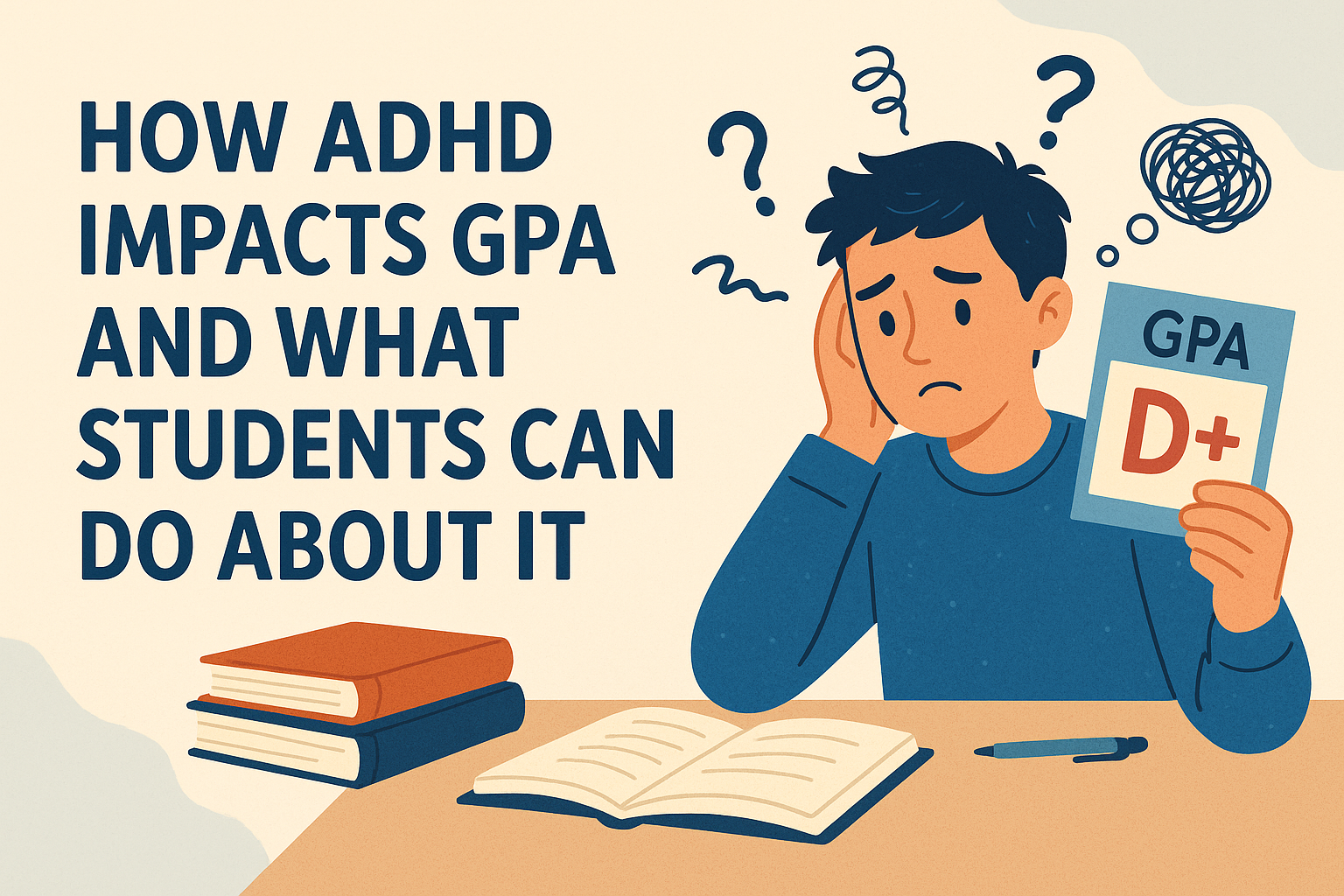
The relationship between ADHD and GPA is a complex one, often characterized by unique challenges that many students face in academic settings. Attention Deficit Hyperactivity Disorder (ADHD) affects numerous individuals worldwide, altering their ability to concentrate, organize tasks, and manage time effectively. This article explores how ADHD impacts academic performance, particularly GPA, and offers practical strategies for students to enhance their educational experiences.
Understanding ADHD: What It Is and How It Affects Learning
ADHD is a neurodevelopmental disorder that impacts behavior, attention, and learning capabilities. The Centers for Disease Control and Prevention (CDC) estimates that around 6.1 million children in the United States have been diagnosed with ADHD. Symptoms typically include difficulty maintaining focus, impulsivity, and hyperactivity, which can significantly affect a student’s ability to perform well academically.
Students with ADHD often struggle with:
- Organization: Many find it challenging to keep track of assignments, deadlines, and materials.
- Time management: Procrastination and difficulty estimating how long tasks will take can hinder performance.
- Focus: Distractions in the classroom can make it hard for students to engage with the material.
- Memory: Working memory issues can impact the ability to recall information needed for tests or assignments.
The Impact of ADHD on GPA
Research indicates a clear connection between ADHD and lower GPAs. A study published in the journal Psychology in the Schools found that students with ADHD often have GPAs that are significantly lower than their peers without the disorder. This can be attributed to the numerous academic challenges faced by these students, particularly in environments that demand a high level of self-regulation.
Specific factors influencing GPA among students with ADHD include:
- Academic Performance Variability: Students with ADHD may show significant fluctuations in their academic performance, impacting overall GPA. For instance, they might excel in subjects of interest but struggle in others, leading to inconsistent grades.
- Increased Dropout Rates: Students with ADHD are at a higher risk of dropping out of high school and college. According to the National Center for Learning Disabilities, students with ADHD have a dropout rate of around 30%, significantly higher than the national average.
- Test Anxiety: Students with ADHD often experience heightened anxiety during tests, which can lead to underperformance on standardized exams, further affecting GPAs.
Practical Strategies for Students with ADHD
While the challenges posed by ADHD can impact GPA, there are several effective strategies that students can implement to improve their academic performance:
1. Create Structured Routines
Establishing a consistent routine can help students with ADHD manage their time and stay organized. Setting specific times for homework, study sessions, and breaks can create a structured environment that minimizes distractions.
2. Utilize Organizational Tools
Technological tools can be beneficial in staying organized. Apps like Todoist or Evernote help students manage tasks and deadlines effectively. Additionally, using planners or calendars can aid in mapping out assignments and exams.
3. Seek Accommodations
Many schools offer accommodations for students with ADHD, such as extended test-taking times or the option for quiet testing environments. It’s essential for students to communicate with their educators about their needs and explore available resources. (See: CDC ADHD facts and statistics.)
4. Break Tasks into Manageable Chunks
Large assignments can be overwhelming for students with ADHD. Breaking tasks into smaller, more manageable parts can help reduce anxiety and improve focus. Setting short-term goals can also provide a sense of accomplishment and motivation.
5. Practice Mindfulness and Stress-Reduction Techniques
Incorporating mindfulness practices, such as meditation or deep-breathing exercises, can help students manage stress and improve concentration. Research shows that mindfulness can enhance attention and reduce impulsivity, making it a valuable tool for students with ADHD.
6. Leverage Peer Support and Study Groups
Engaging with peers through study groups can create an accountability system, making it easier to stay on track with assignments. Collaborative learning can also provide different perspectives on material, enriching the educational experience.
The Role of Educators in Supporting Students with ADHD
Beyond self-advocacy, the role of educators is crucial in shaping the experience of students with ADHD. Teachers can adopt various strategies to create an inclusive and supportive classroom environment:
1. Differentiate Instruction
By varying teaching methods and materials, educators can cater to diverse learning styles. Incorporating visual aids, hands-on activities, and technology can help keep students engaged and enhance their understanding of the material.
2. Foster a Supportive Classroom Environment
Creating a safe and accepting classroom culture encourages students to express their challenges without fear of judgment. This approach fosters resilience and can motivate students to seek help when needed.
3. Provide Regular Feedback
Timely and constructive feedback can help students with ADHD understand their progress and areas for improvement. This practice encourages continuous learning and helps students stay focused on their goals.
4. Encourage Parental Involvement
Collaboration between teachers and parents is vital for supporting students with ADHD. Regular communication can help ensure consistency in strategies used at home and school, reinforcing learning and behavior.
Current Research and Advances in Understanding ADHD and GPA
Recent studies continue to shed light on the relationship between ADHD and academic performance. For instance, research published in the Journal of Attention Disorders indicates that early intervention and tailored support can significantly improve outcomes for students with ADHD.
Moreover, advancements in neuroimaging technologies are providing insights into how ADHD affects brain function. Understanding these neurological aspects can pave the way for more effective treatments and educational strategies. (See: NIH ADHD diagnosis and impact.)
ADHD, GPA, and Emotional Well-Being
It’s essential to recognize that academic performance is not the sole indicator of a student’s success. Emotional well-being plays a critical role in overall achievement. Students with ADHD often experience feelings of frustration, low self-esteem, and anxiety due to their academic struggles. These emotions can further impact GPA, creating a cycle that is difficult to break.
Research from the Journal of Abnormal Child Psychology emphasizes the importance of emotional support for students with ADHD. Programs that focus on social-emotional learning can have a positive impact, helping students build resilience and cope with stressors associated with their condition.
Statistics and Studies on ADHD and GPA
Understanding the statistics surrounding ADHD can provide insight into its impact on academic performance. A study from the American Journal of Psychiatry found that students with ADHD are 2 to 3 times more likely to fail a grade compared to their peers without the disorder. Additionally, a survey conducted by the National Institute of Mental Health (NIMH) revealed that 50% of adolescents with ADHD reported difficulty in managing academic demands, significantly affecting their GPA.
Understanding these statistics can help educators and parents recognize the necessity for tailored interventions that support the academic and emotional needs of students with ADHD.
Personal Stories of Students with ADHD
Hearing personal experiences can provide a deeper understanding of the challenges faced by students with ADHD. For example, a student named Sarah, who struggled with ADHD, shared that she often excelled in creative writing but found it nearly impossible to concentrate during math classes. This inconsistency in her grades led to frustration and a sense of inadequacy. After seeking help and utilizing strategies like breaking tasks into smaller pieces, Sarah improved her focus and her GPA steadily increased.
Another student, Jake, noted that he struggled with test anxiety related to his ADHD. By working with his school counselor and adopting relaxation techniques, he was able to improve his test-taking skills and ultimately raised his GPA. These stories highlight the importance of personalized strategies and support systems in helping students with ADHD navigate their academic journeys.
Frequently Asked Questions (FAQ) about ADHD and GPA
1. Can ADHD be diagnosed at any age?
ADHD can be diagnosed in children, adolescents, and even adults. However, it is often identified in childhood when symptoms start affecting academic performance and social interactions.
2. Are all students with ADHD likely to have low GPAs?
Not all students with ADHD will have low GPAs. Many factors, including individual differences, support systems, and coping strategies, can influence academic performance.
3. What accommodations can schools provide for students with ADHD?
Schools can provide various accommodations, such as extended time for tests, preferential seating, and access to technology to help with organization and focus.
4. How can parents support their children with ADHD in improving GPA?
Parents can support their children by creating structured routines, helping with organization, and communicating with teachers to understand the child’s challenges and needs.
5. Is medication necessary for managing ADHD symptoms?
Medication is one option for managing ADHD symptoms, but it is not necessary for everyone. Behavioral therapy and educational support can also be effective in helping students succeed academically.
6. How does ADHD affect social interactions and peer relationships?
Students with ADHD may struggle with impulsivity and hyperactivity, which can affect their ability to form and maintain friendships. Understanding these challenges is crucial for fostering supportive peer interactions.
7. What role do extracurricular activities play in the lives of students with ADHD?
Extracurricular activities can offer students with ADHD a chance to excel in non-academic areas, boosting confidence and providing an outlet for energy. Participation can also enhance social skills and foster a sense of belonging.
8. Are there resources available for students with ADHD seeking academic support?
Yes, various resources are available, including counseling services, tutoring programs, and online support groups. Many schools also have dedicated staff to assist students with ADHD in navigating their academic challenges.
Conclusion: Empowering Students to Succeed
The link between ADHD and GPA is a multifaceted issue that requires a supportive and proactive approach from both students and educators. By implementing structured strategies, seeking accommodations, and fostering a collaborative environment, students with ADHD can enhance their academic performance and achieve their educational goals. Ultimately, understanding the challenges and opportunities surrounding ADHD empowers students to take charge of their learning journeys and pave the way for future success.
“`
Trending Now
Frequently Asked Questions
How does ADHD affect academic performance?
ADHD impacts academic performance by impairing focus, organization, and time management. Students with ADHD often struggle to maintain attention in class, keep track of assignments, and estimate task completion times, which can lead to lower grades and GPA.
What are the common challenges faced by students with ADHD?
Students with ADHD commonly face challenges such as difficulty with organization, time management, maintaining focus, and working memory issues. These challenges can significantly hinder their academic success and overall GPA.
Can ADHD lead to lower GPA?
Yes, research shows that students with ADHD often have lower GPAs compared to their peers without the disorder. The difficulties related to attention, organization, and self-regulation contribute to this academic gap.
What strategies can help students with ADHD improve their GPA?
Students with ADHD can enhance their GPA by employing strategies such as creating structured schedules, using organizational tools, breaking tasks into manageable parts, and seeking support from educators or counselors to develop effective study habits.
Is ADHD common among students?
Yes, ADHD is relatively common, with around 6.1 million children in the United States diagnosed with the disorder. Its prevalence highlights the importance of understanding its impact on learning and academic performance.
Have you experienced this yourself? We’d love to hear your story in the comments.



