
“`html
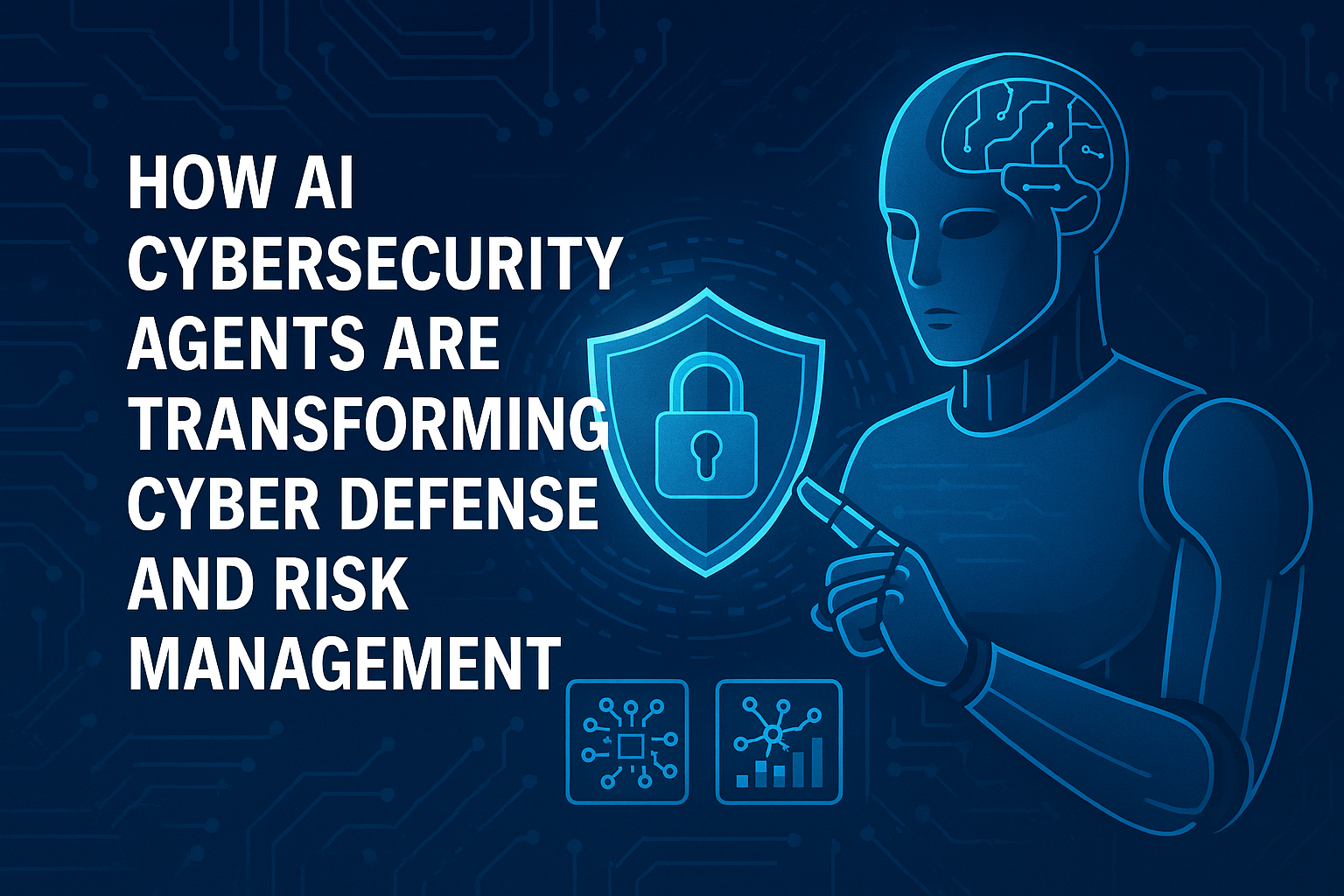
The evolution of technology, particularly artificial intelligence (AI), has profoundly impacted various industries, and cybersecurity is among the most affected. Today, AI cybersecurity agents are revolutionizing how organizations approach cybersecurity frameworks, but this transformation comes with significant implications. As AI tools become increasingly autonomous, organizations are grappling with the complexities and responsibilities associated with these advanced technologies. This article delves into the emergence of AI cybersecurity agents, the challenges they present, and the shifting dynamics of cybersecurity governance.
The Rise of AI Cybersecurity Agents
AI cybersecurity agents refer to intelligent systems designed to enhance cybersecurity measures, often capable of making decisions, querying databases, and accessing vast repositories of information with minimal human input. Unlike earlier AI tools that required extensive human oversight, these agents are proficient in traversing enterprise knowledge bases and adapting to new environments. This rapid evolution raises the stakes for organizations, as the attack surface is expanding, making it easier for malicious actors to exploit vulnerabilities.
According to a report from Temple University’s cybersecurity professor Aunshul Rege, the advent of AI agents in cybersecurity is compelling organizations to reassess their frameworks significantly. These systems are not merely tools; they are becoming integral components of cybersecurity strategies, altering the traditional paradigms that have governed how organizations manage risk and security.
Changing Dynamics of Cybersecurity Governance
One of the most dramatic implications of AI cybersecurity agents is the shift in governance structures. Traditionally, cybersecurity responsibilities were often confined to specific IT departments. However, the increasing autonomy of AI agents necessitates a broader approach to cybersecurity governance. Organizations are now realizing that security, governance, and risk management must be a cross-organizational responsibility.
As these AI agents become integral to cybersecurity efforts, responsibilities extend beyond just the IT department. Security teams must collaborate with various stakeholders, including human resources, legal, and compliance teams, to ensure that the deployment and management of these technologies align with organizational objectives and regulatory requirements. This holistic approach not only enhances security but also fosters a culture of shared accountability.
Accountability and Oversight in an AI-Driven Landscape
As organizations incorporate AI cybersecurity agents, critical questions arise regarding accountability and oversight. Organizations must establish clear parameters surrounding the decision-making authority of these systems. For instance, what actions are AI agents permitted to take autonomously? What level of human oversight is necessary to mitigate risks adequately? These questions are paramount, especially in scenarios where AI systems might mishandle sensitive data or be manipulated by adversarial actors.
Professor Rege emphasizes the importance of delineating responsibilities within organizations. When something goes wrong—be it a data breach or a failure to detect a cyber threat—who is accountable? Does liability fall on the organization, the developers of the AI systems, or the operators who deploy these agents? By clarifying these responsibilities, organizations can better navigate the complexities of liability and create frameworks that ensure accountability in AI-driven environments.
Mitigating Risks Associated with AI Cybersecurity Agents
To effectively harness the potential of AI cybersecurity agents while mitigating associated risks, organizations must adopt several strategies. The first step is to develop a robust governance framework that establishes clear guidelines for the use of AI systems. This framework should define the roles of human operators versus AI agents, outlining the circumstances under which human intervention is required. (See: AI's impact on cybersecurity.)
Additionally, continuous monitoring and auditing of AI systems are crucial. Organizations should implement regular assessments to ensure that AI agents are functioning within established parameters and are effectively contributing to cybersecurity efforts. These evaluations can help identify vulnerabilities or unexpected behaviors early, allowing organizations to make necessary adjustments proactively.
Furthermore, organizations should prioritize employee training and awareness programs. As AI agents take on more responsibilities, human operators must understand how these systems work, their potential limitations, and the importance of oversight. This training can foster a collaborative environment where AI and human expertise complement one another in the cybersecurity landscape.
The Future of Cybersecurity with AI Agents
Looking ahead, the landscape of cybersecurity will likely continue to evolve as AI technology advances. AI cybersecurity agents hold the potential to enhance threat detection capabilities significantly, analyze vast amounts of data in real-time, and respond to incidents with unprecedented speed. However, this potential must be balanced with the awareness of associated risks.
Organizations that embrace AI cybersecurity agents will need to invest in ongoing research and development to ensure their systems remain resilient against emerging threats. As cybercriminals become more sophisticated, AI systems must evolve to stay one step ahead. This will require collaboration between cybersecurity professionals, AI developers, and regulatory bodies to create effective standards and policies that govern the use of AI in cybersecurity.
Challenges of Integrating AI Cybersecurity Agents
While the potential benefits of AI cybersecurity agents are significant, their integration into existing systems can be fraught with challenges. One notable challenge is data privacy. AI systems often require access to vast amounts of data to learn and adapt, which can lead to concerns regarding personal information handling. Organizations must ensure compliance with data protection regulations, such as GDPR, while leveraging AI capabilities.
Another challenge is the risk of AI bias. Machine learning models can inadvertently reflect biases present in training data, leading to skewed results. If an AI cybersecurity agent is trained on biased datasets, it may prioritize certain threats over others or fail to recognize specific attack patterns. Organizations should strive to implement diverse and representative datasets when training AI systems.
Statistics on AI in Cybersecurity
The adoption of AI in cybersecurity is on the rise, with many organizations recognizing its potential. According to a report by Markets and Markets, the AI in cybersecurity market is projected to grow from $8.8 billion in 2019 to $38.2 billion by 2026, at a CAGR of 23.3%. This growth is indicative of a broader shift in how organizations are prioritizing automated and intelligent security solutions.
Furthermore, a survey conducted by Capgemini revealed that 69% of organizations believe AI will be essential for their cybersecurity strategies in the future. This statistic underscores the growing reliance on AI as cyber threats evolve and become more sophisticated. (See: CDC's cybersecurity initiatives.)
Expert Perspectives on AI Cybersecurity Agents
Industry experts are increasingly vocal about the benefits and challenges of AI cybersecurity agents. Cybersecurity analyst and author Bruce Schneier notes that while AI can significantly enhance cybersecurity measures, it cannot replace human judgment entirely. He argues for a balanced approach where humans and AI collaborate, leveraging each other’s strengths to improve overall security.
Additionally, Dr. Jessica Barker, a cybersecurity expert, points out that the culture within organizations is just as important as the technology itself. She emphasizes the need for organizations to foster a culture of security that encourages collaboration, continuous learning, and open communication regarding cybersecurity practices and policies. This cultural shift can enhance the efficacy of AI cybersecurity agents and ensure they are used responsibly.
FAQs About AI Cybersecurity Agents
What are AI cybersecurity agents?
AI cybersecurity agents are intelligent systems designed to improve cybersecurity measures by making autonomous decisions, analyzing data, and responding to threats with minimal human intervention.
How do AI cybersecurity agents enhance security?
They enhance security by providing real-time threat detection, analyzing vast amounts of data quickly, and automating responses to incidents, reducing the response times significantly compared to manual processes.
What are the risks associated with AI cybersecurity agents?
Risks include potential biases in decision-making, data privacy concerns, and the need for clear accountability regarding actions taken by the AI systems.
How can organizations mitigate the risks of AI cybersecurity agents?
Organizations can mitigate risks by establishing robust governance frameworks, continuous monitoring and auditing of AI systems, and ensuring comprehensive employee training and awareness programs.
What is the future of AI in cybersecurity?
The future is likely to involve increased integration of AI systems, ongoing advancements in threat detection capabilities, and a growing collaboration between AI technologies and human expertise in cybersecurity efforts.
Innovative Use Cases for AI Cybersecurity Agents
AI cybersecurity agents are not just limited to traditional threat detection. They can be employed in various innovative ways to enhance overall security postures. For instance, AI algorithms can analyze user behavior and create profiles to detect anomalies that signify potential breaches. In a financial institution, for example, an AI agent could flag unusual transactions that deviate from established user behavior patterns, allowing for real-time fraud prevention. (See: AI in cybersecurity research.)
Moreover, AI agents can be utilized for proactive threat hunting. Instead of waiting for threats to surface, these systems can continuously analyze network traffic, looking for subtle indicators of compromise that human analysts might overlook. According to a study by IBM, organizations using AI for threat hunting have reported a 60% reduction in incident response times, showcasing the effectiveness of AI in preemptively identifying vulnerabilities.
Emerging Regulations and Ethical Considerations
As AI cybersecurity agents become more prevalent, the regulatory landscape surrounding their use is also evolving. Governments and regulatory bodies are beginning to establish guidelines to ensure that AI technologies are used ethically and responsibly. For instance, the European Union’s AI Act is set to introduce stricter regulations on AI systems, including those used in cybersecurity, placing emphasis on transparency and accountability.
Ethical considerations also come into play, especially regarding data usage and privacy. Organizations need to ensure that their AI systems are designed to respect user privacy and comply with relevant data protection laws. This involves implementing privacy-by-design principles in AI development, ensuring that data handling practices are ethical and transparent.
Conclusion: Embracing Change While Ensuring Security
The burgeoning field of AI cybersecurity agents presents both opportunities and challenges for organizations. As these systems become more prevalent, the implications for cybersecurity governance, accountability, and risk management will intensify. Organizations must be proactive in addressing the associated risks while leveraging the strengths of AI to enhance their cybersecurity posture.
In summary, while AI cybersecurity agents offer astounding capabilities in defending against cyber threats, they also require a nuanced approach to governance and risk management. By fostering cross-organizational collaboration, establishing clear accountability, and prioritizing continuous oversight, organizations can not only protect their sensitive data but also harness the full potential of AI in cybersecurity.
“`
Trending Now
Frequently Asked Questions
How are AI cybersecurity agents changing the cybersecurity landscape?
AI cybersecurity agents are transforming the cybersecurity landscape by enhancing decision-making capabilities, automating processes, and adapting to new threats with minimal human intervention. This evolution allows organizations to adopt more proactive security measures, making them better equipped to handle emerging vulnerabilities and malicious attacks.
What challenges do organizations face with AI in cybersecurity?
Organizations face several challenges with AI in cybersecurity, including the need for updated governance frameworks, the risk of over-reliance on autonomous systems, and the complexities of integrating AI tools into existing security measures. Additionally, as AI agents operate with greater independence, organizations must navigate the responsibilities that come with this autonomy.
What role do AI agents play in risk management?
AI agents play a crucial role in risk management by analyzing vast amounts of data to identify potential vulnerabilities and threats. They enhance the organization's ability to respond to incidents quickly and efficiently, thereby minimizing the impact of security breaches and improving overall risk mitigation strategies.
How does AI impact traditional cybersecurity governance?
AI impacts traditional cybersecurity governance by necessitating a broader approach that extends beyond specific IT departments. As AI agents become integral to cybersecurity strategies, organizations must reassess their governance structures to incorporate AI's autonomous capabilities, ensuring comprehensive oversight and accountability.
What are the implications of autonomous AI in cybersecurity?
The implications of autonomous AI in cybersecurity include increased efficiency in threat detection and response, but also heightened risks related to accountability and oversight. Organizations must balance the benefits of AI's speed and adaptability with the potential for misuse or errors, prompting a reevaluation of security policies and practices.
What did we miss? Let us know in the comments and join the conversation.