
“`html
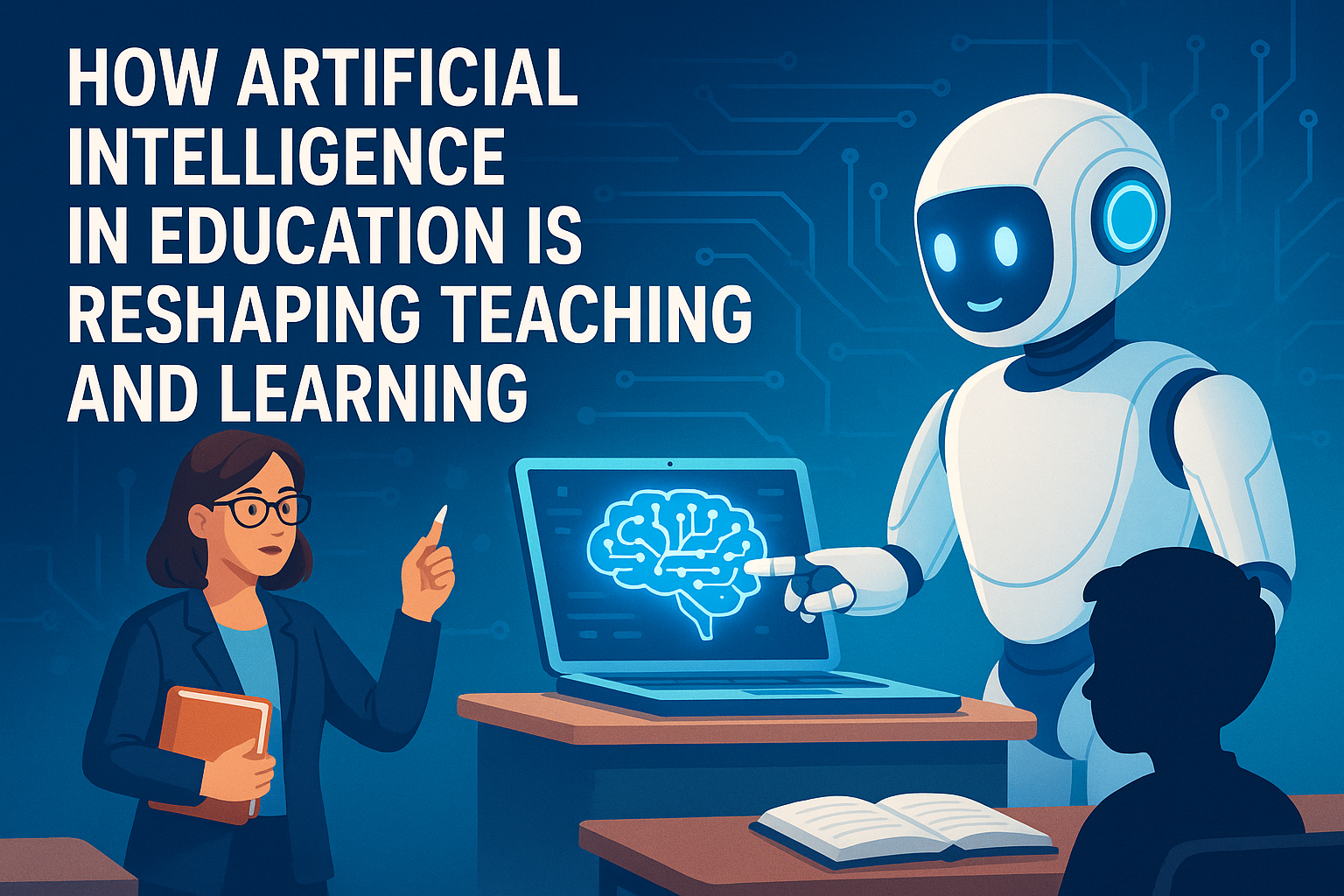
The rapid advancement of technology has always influenced education, but few developments are as transformative as the rise of artificial intelligence in education. This technology is reshaping how teachers teach and how students learn, making it a hot topic among educators, parents, and policymakers alike. A recent research paper delves into the multifaceted role of AI tools in secondary and higher education, examining their benefits, limitations, and the profound impact they have on the classroom environment.
The Landscape of AI in Education
Artificial intelligence is no longer a futuristic concept; it’s a reality that is being integrated into classrooms around the world. From adaptive learning platforms that tailor educational experiences to individual students, to AI-driven analytics that help teachers assess student performance more effectively, the scope of AI application in education is broad and continually expanding. These tools promise to enhance pedagogical methods, streamline administrative tasks, and improve overall student engagement.
Generative AI, for instance, is transforming how educational content is created and disseminated. This technology can generate quizzes, create personalized learning materials, and even assist in tutoring students on specific subjects. As AI becomes more entrenched in the educational landscape, understanding its implications becomes crucial for educators and institutions alike.
Pedagogical Benefits of AI Tools
One of the most compelling arguments for the integration of artificial intelligence in education is its potential to personalize learning. AI can assess a student’s strengths and weaknesses and adapt resources to meet their specific needs. For example, platforms like DreamBox Learning and Knewton employ AI algorithms to create customized learning experiences that cater to each student’s pace and comprehension level.
Additionally, AI tools can provide instant feedback, which is essential for the learning process. Students can receive immediate assessments on their performance, allowing for quicker adjustments in their learning approach. This immediate feedback loop not only enhances student engagement but also promotes a deeper understanding of the subject matter.
Furthermore, AI’s data-driven capabilities enable educators to analyze trends in student performance. By utilizing AI analytics, teachers can identify areas where students struggle, adjust their teaching strategies accordingly, and implement interventions that target those weaknesses. The result is a more efficient and effective educational experience.
AI’s Impact on Assessment and Evaluation
Assessment has traditionally been a time-consuming endeavor for educators. However, AI is streamlining this process significantly. Automated grading systems, powered by AI, can evaluate multiple-choice questions, essays, and even complex problem-solving tasks. This not only saves teachers time but also ensures that assessments are graded consistently and without bias.
AI can also facilitate formative assessments that help educators gauge student understanding in real time. Tools such as Classcraft and Socrative allow for the collection of data on student engagement and comprehension during lessons. This information empowers teachers to adjust their instructional methods on-the-fly, ensuring that all students are on track.
However, the reliance on AI in assessment does raise questions about academic integrity. Concerns regarding cheating and the potential for students to game the system are valid and deserve attention. Institutions must find a balance between leveraging AI’s advantages and safeguarding the integrity of their assessments.
Challenges and Limitations of AI in Education
Despite the numerous benefits, the integration of artificial intelligence in education also comes with its share of challenges. One significant concern is the digital divide; not all students have equal access to the technology required to utilize AI tools effectively. This inequity can exacerbate existing disparities in educational outcomes, particularly among underprivileged communities. (See: AI's role in education and learning.)
Moreover, there is the question of data privacy and security. As AI systems collect and analyze vast amounts of student data, concerns about how that data is used and protected are paramount. Educational institutions must prioritize creating robust data protection policies to ensure that students’ personal information is secure.
Additionally, the implementation of AI in education can lead to dependency. If students become accustomed to relying on AI tools for problem-solving, their critical thinking and problem-solving skills may diminish. Educators must strike a balance between utilizing AI resources and fostering independent thinking among students.
AI in Student Support Services
Artificial intelligence also plays a vital role in enhancing student support services. AI chatbots, for example, can provide immediate assistance to students seeking help with administrative inquiries, tutoring, or mental health support. Institutions like Georgia State University have effectively utilized AI to improve student retention rates by predicting which students may need additional support and intervening proactively.
Furthermore, AI can assist in career counseling, helping students identify potential career paths based on their skills and interests. By analyzing data related to job markets and the skills required in various fields, AI tools can guide students in making informed decisions about their futures.
However, while AI can enhance support services, it’s crucial that human interaction remains central to student support. AI can’t replace the empathy and understanding that a human advisor can provide, especially when it comes to sensitive issues such as mental health.
The Future of AI in Education
As we look ahead, it’s clear that the role of artificial intelligence in education will continue to evolve. The pace of AI adoption is accelerating, and educational institutions must keep up with these changes to remain relevant. In order to do so, schools and universities need to invest in training faculty and staff on how to effectively implement and utilize AI tools in the classroom.
Moreover, collaboration between educational institutions and AI developers is essential. By working together, they can create tools that address specific educational needs and challenges while ensuring that ethical considerations are at the forefront of AI development.
Ultimately, the goal should be to use AI as a partner in education, enhancing the learning experience while maintaining the essential human elements that make education effective. Teachers and students alike must embrace AI tools as opportunities for growth rather than threats to traditional learning methods.
Ethical Considerations in AI Education
With the increased integration of artificial intelligence in education, ethical considerations become paramount. How AI algorithms make decisions can often be opaque, leading to potential biases based on the data they are trained on. It’s crucial for educational institutions to ensure that the AI tools they implement are fair and equitable. This means regularly evaluating the performance of AI systems to guard against any unintended bias that may affect student evaluations or learning opportunities.
Furthermore, the use of AI should not undermine the human aspects of education. Education is not just about imparting knowledge; it’s about fostering relationships, encouraging creativity, and developing critical thinking. There needs to be a conscious effort to utilize AI to complement, not replace, these vital components of education.
Real-World Examples of AI in Education
Many institutions around the world are already reaping the benefits of artificial intelligence in education. For instance, Carnegie Mellon University uses an AI-driven tutoring system called “Cognitive Tutor.” This tool adapts to the needs of individual students, providing personalized learning experiences that improve engagement and outcomes. (See: Research on AI in education.)
Another example can be seen in the adaptive learning platform, Smart Sparrow. This technology not only personalizes content but also allows educators to create adaptive learning experiences tailored to their curriculum. Schools using Smart Sparrow have reported increased student engagement and improved academic performance.
In K-12 education, platforms like Zearn utilize AI to provide personalized math instruction, helping students master concepts at their own pace. This approach has shown remarkable improvements in student understanding and achievement, particularly in underserved populations.
Statistics on AI in Education
Recent studies illustrate the growing impact of AI in educational settings. According to a report from Research and Markets, the global AI in Education market is expected to grow from $1 billion in 2020 to over $6 billion by 2025, showcasing a compound annual growth rate (CAGR) of over 40%. This rapid expansion indicates a strong belief in the potential benefits of AI in enhancing educational outcomes.
A survey conducted by McKinsey found that 70% of educators believe that AI can significantly improve student learning experiences. Furthermore, institutions that have implemented AI-driven solutions report a 30% reduction in administrative workload, allowing teachers to focus more on instruction and student engagement.
Frequently Asked Questions about AI in Education
What are the main benefits of AI in education?
The primary benefits include personalized learning experiences, improved assessment methods, efficient administrative processes, and enhanced student support services. AI can tailor educational content to meet individual student needs, making learning more effective.
Are there risks associated with using AI in education?
Yes, there are several risks, including data privacy concerns, potential biases in AI algorithms, and the risk of students becoming overly reliant on technology for learning. Institutions must implement strong data protection measures and focus on fostering critical thinking skills alongside AI tools.
How can teachers integrate AI into their classrooms?
Teachers can start by exploring AI-driven platforms that align with their curriculum. Professional development opportunities can help educators understand how to effectively use these tools, enhance their teaching methods, and better support their students.
What is the future of AI in education?
The future of AI in education is promising, with continued advancements expected to create even more personalized and efficient learning environments. However, it’s essential to prioritize ethical considerations and ensure that AI serves to enhance, not replace, the essential human elements of teaching and learning.
Considerations for Implementing AI in Education
When considering the integration of artificial intelligence in education, there are several factors that educators and administrators should take into account. First and foremost, understanding the specific needs of students and teachers is critical. AI tools should be selected based on how well they align with educational goals and the unique challenges faced by the institution.
Moreover, ongoing training and support for educators are essential. As technology evolves, so must the skills of those using it. Regular workshops and professional development sessions can help teachers stay informed about the latest AI tools and best practices for their implementation. (See: Impact of AI technology on education.)
Lastly, feedback loops from students and teachers are invaluable. Gathering insights on how these AI tools affect learning and teaching can guide future decisions on technology integration, ensuring that the tools are beneficial and effectively utilized.
Global Perspectives on AI in Education
The adoption of artificial intelligence in education varies significantly around the world. Countries like China and the United States are at the forefront, investing heavily in AI technology to transform their educational systems. China, in particular, has integrated AI in numerous classrooms, aiming to enhance personalized learning and improve educational outcomes nationwide.
In contrast, many developing nations face challenges such as infrastructure limitations and a lack of resources, which inhibit the widespread implementation of AI technologies. However, there are promising initiatives aimed at bridging this gap. For example, organizations are working to develop low-cost AI tools that can be deployed in resource-limited settings, ensuring that all students have the opportunity to benefit from advancements in technology.
Balancing Technology and Traditional Learning
As artificial intelligence in education continues to grow, it’s essential to maintain a balance between technology-driven and traditional learning methods. While AI offers significant advantages, traditional approaches to education foster critical thinking, creativity, and interpersonal skills. Teachers play a crucial role in blending these methods, ensuring that students reap the benefits of both worlds.
An effective strategy is to use AI tools to automate routine tasks, freeing up educators to focus on engaging students in discussions, collaborative projects, and hands-on learning experiences. This blend can create a more dynamic and well-rounded educational environment that prepares students for the complexities of the modern world.
Conclusion: Balancing Opportunities and Challenges
The integration of artificial intelligence in education presents both exciting opportunities and daunting challenges. As AI tools reshape the landscape of teaching and learning, it raises important questions about equity, integrity, and the future of education itself. Addressing these concerns head-on will be essential for educators and institutions seeking to harness the full potential of AI while ensuring that the core values of education remain intact.
In navigating this evolving terrain, we must remain vigilant in our efforts to create an equitable, inclusive educational environment where all students can thrive, no matter their background or circumstances. The future of education is undoubtedly intertwined with AI, and it’s up to us to ensure that it serves as a force for good.
“`
Trending Now
Frequently Asked Questions
How is artificial intelligence used in education?
Artificial intelligence is used in education to personalize learning experiences, assess student performance, and streamline administrative tasks. Tools like adaptive learning platforms and AI-driven analytics help tailor educational content to individual student needs, enhancing engagement and effectiveness in the classroom.
What are the benefits of AI in the classroom?
The benefits of AI in the classroom include personalized learning, instant feedback for students, and improved assessment of student performance. AI tools can adapt educational resources to meet individual strengths and weaknesses, fostering a more effective learning environment.
What challenges does AI face in education?
Challenges of AI in education include concerns about data privacy, the need for teacher training, and potential inequities in access to technology. Additionally, the integration of AI must be carefully managed to ensure it complements traditional teaching methods rather than replacing them.
How does AI enhance student engagement?
AI enhances student engagement by providing personalized learning experiences that cater to individual learning paces and styles. Tools that adapt content and offer instant feedback keep students motivated and focused, making learning more relevant and interactive.
What is generative AI and how is it used in education?
Generative AI refers to technology that can create educational content, such as quizzes and personalized learning materials. In education, it assists in tutoring students by providing tailored resources and support, making learning more accessible and customized to each learner's needs.
What did we miss? Let us know in the comments and join the conversation.