
“`html
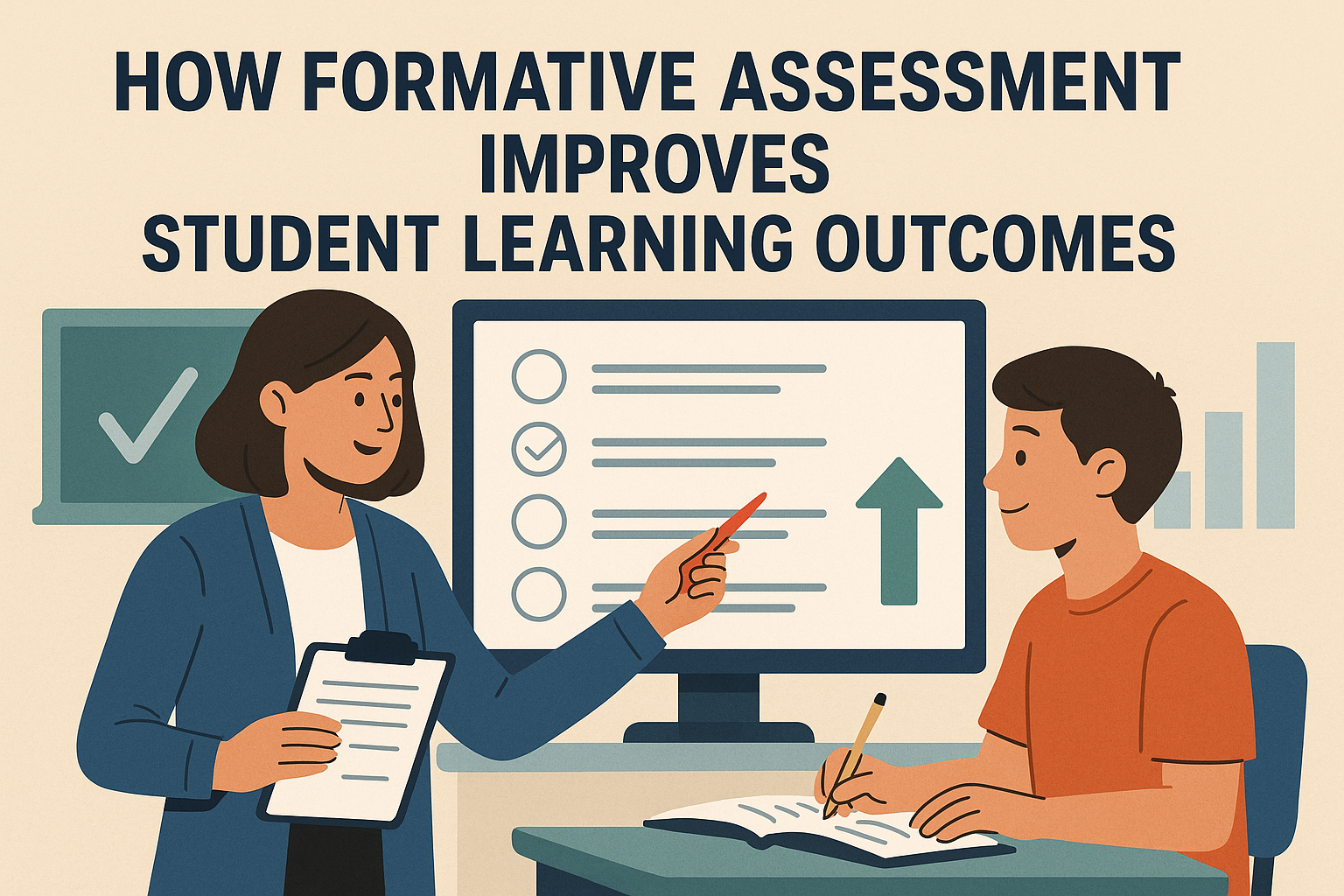
In today’s educational landscape, the emphasis on effective learning strategies has never been greater. One powerful method that has gained traction among educators is formative assessment technology. This approach not only enhances student learning outcomes but also equips teachers with invaluable insights into their students’ progress. Understanding how formative assessments work can transform the educational experience for both pupils and instructors alike.
The Concept of Formative Assessment
Formative assessment represents an ongoing process where educators gather and analyze information about student learning. Unlike traditional assessments, which typically evaluate knowledge at the end of a learning unit, formative assessments occur throughout the learning journey. This real-time feedback allows educators to adjust their teaching methods promptly and effectively. The goal is to foster student growth and understanding, rather than merely assigning grades.
At its core, formative assessment is about understanding where students are in their learning and how best to support them. It can take various forms, including quizzes, polls, observational notes, peer assessments, and even self-assessments. The beauty of formative assessment technology lies in its ability to streamline this process, making it easier for both teachers and learners.
Key Benefits of Formative Assessment Technology
Integrating formative assessment technology in classrooms brings several significant advantages. Here are some of the key benefits:
- Immediate Feedback: One of the most notable benefits of formative assessment technology is the ability to provide immediate feedback. Tools such as digital quizzes and interactive polls allow teachers to gauge student understanding in real-time. This instant feedback loop can help students identify their strengths and weaknesses on the spot, prompting them to adjust their studying strategies accordingly.
- Data-Driven Insights: Formative assessment technology enables educators to collect and analyze data regarding student performance. By examining the collected data, teachers can identify trends and patterns in learning, allowing them to tailor instruction to meet the varied needs of their students.
- Engagement Enhancement: Digital formative assessment tools often incorporate gamification elements, making learning more engaging for students. When students participate in interactive assessments, they’re more likely to be involved and motivated, leading to better learning outcomes.
- Personalized Learning: With the insights gained from formative assessments, educators can create personalized learning plans for students. This individualized approach ensures that each student receives the support they need to succeed, ultimately leading to improved educational outcomes.
- Collaboration and Peer Learning: Many formative assessment technologies promote collaborative learning through peer assessments. This not only fosters a sense of community among students but also encourages them to learn from each other, enhancing their learning experience.
- Teacher Reflection: Formative assessment technology allows educators to reflect on their teaching practices. By analyzing students’ performance data, teachers can identify areas where their instruction might need adjustment, leading to continuous professional growth.
How to Implement Formative Assessment Technology
Implementing formative assessment technology in the classroom may seem daunting, but the process can be streamlined with a few key steps:
- Choose the Right Tools: There are numerous formative assessment technologies available, ranging from learning management systems to specific assessment apps. Research and select tools that align with your curriculum and teaching style.
- Train Educators: Teachers must be adequately trained not only in how to use the technology but also in best practices for formative assessment. Professional development workshops focused on formative assessment can be invaluable.
- Set Clear Objectives: Before implementing formative assessment, establish clear learning objectives. This helps guide the assessment process and ensures that you’re measuring the right outcomes.
- Encourage Student Participation: Involve students in the assessment process. Teach them how to use assessment tools and explain the purpose behind formative assessments. This fosters a sense of ownership over their learning.
- Analyze Data for Insights: After collecting assessment data, take time to analyze it. Look for patterns in student performance to inform your teaching practices. Utilize the insights gained to adjust your instruction accordingly.
- Iterate and Improve: Formative assessment should be an ongoing process. Regularly review the effectiveness of your chosen technology and the assessments you’re using, making necessary adjustments to improve student outcomes.
Challenges and Considerations
While the benefits of formative assessment technology are clear, there are challenges to consider as well. Time constraints can pose a significant hurdle. Educators often find themselves juggling multiple responsibilities, making it difficult to incorporate new assessment methods effectively. Finding a balance between formative assessments and traditional teaching methods can be tricky.
Another challenge is ensuring that all students have equal access to technology. In some cases, disparities in resources can hinder the implementation of formative assessment technology. Educators must consider providing alternatives for students who may not have access to devices or reliable internet. See also engaging assessment ideas.
Moreover, there’s always the concern about data privacy when using technology in education. Teachers and institutions must ensure they are compliant with regulations regarding student data and that they are using secure platforms to protect sensitive information. (See: Formative Assessment Resources from the U.S. Department of Education.)
Current Relevance in Education
In light of recent events, particularly the global pandemic, the relevance of formative assessment technology has only intensified. With the shift toward remote and hybrid learning environments, educators have had to adapt quickly. Traditional assessment methods became less practical, making formative assessments a vital tool for gauging student understanding in real-time.
As schools continue to navigate the complex landscape of education post-pandemic, formative assessment technology remains a crucial component in creating responsive learning environments. Educators are increasingly leveraging technology to personalize learning and maintain engagement, demonstrating just how integral formative assessment has become.
Future of Formative Assessment Technology
The future of formative assessment technology looks promising as innovations continue to emerge. Artificial intelligence, for example, is beginning to play a role in personalized assessment. AI-driven platforms can analyze student responses and adapt questions in real-time, creating a more tailored assessment experience.
Moreover, as data analytics become more sophisticated, educators will have access to even deeper insights into student performance. These tools could allow for more granular analysis, helping educators understand not just what students know, but how they think and learn.
As formative assessment technology evolves, it’s essential for educators to remain informed about new developments. Continuous professional development will be vital as teachers adapt to new technologies and methodologies. Keeping abreast of trends will ensure they can harness the full potential of formative assessments to boost student learning outcomes.
Examples of Formative Assessment Technology in Action
To illustrate the practical implementation of formative assessment technology, let’s take a look at a few specific tools and their applications in real classroom settings:
- Kahoot: This platform enables educators to create fun, interactive quizzes that engage students while providing instant feedback. Teachers can analyze which questions most students struggled with, allowing them to adjust their teaching strategy accordingly.
- Google Forms: A versatile tool for creating surveys and quizzes, Google Forms allows teachers to gather responses in real-time. The built-in analytics can highlight common areas of misunderstanding among students.
- Flipgrid: This tool encourages student voice by allowing them to create short videos in response to prompts. Teachers can provide feedback based on students’ responses and foster a classroom community through peer interaction.
- Edpuzzle: By integrating video lessons with quizzes, Edpuzzle provides a dynamic way for students to interact with content. Teachers can track which parts students find most challenging and revisit those topics in class.
Statistics on Formative Assessment Effectiveness
Research consistently shows that formative assessment can have a significant impact on student achievement. Here are some compelling statistics:
- A study by the Bill & Melinda Gates Foundation found that formative assessment practices can lead to a 30% increase in student performance.
- According to the National Council on Teacher Quality, 84% of teachers reported that using formative assessments helped them better understand their students’ learning needs.
- Research published in the journal Educational Evaluation and Policy Analysis indicated that effective formative assessments could reduce achievement gaps by up to 25%.
Frequently Asked Questions about Formative Assessment Technology
What is formative assessment technology?
Formative assessment technology refers to digital tools and platforms that facilitate ongoing assessments during the learning process. These tools help educators gather data on student progress and provide timely feedback. (See: National Institute of Health on Learning Assessments.)
How does formative assessment differ from summative assessment?
While formative assessment focuses on monitoring student learning and providing feedback during the instructional process, summative assessment evaluates student learning at the end of an instructional unit, often for the purpose of assigning grades.
Can formative assessment technology be used in remote learning environments?
Absolutely! Many formative assessment technologies are designed to be used in both physical and virtual classrooms. They provide flexibility for teachers to assess students wherever learning takes place.
What are some challenges of using formative assessment technology?
Challenges include ensuring equitable access to technology, managing time effectively to incorporate assessments, and maintaining student data privacy. Educators must navigate these hurdles to implement formative assessments successfully.
How can I get started with formative assessment technology?
Begin by researching the various tools available and selecting a few that align with your teaching style. Invest time in training and professional development, and start incorporating assessments gradually to see what works best for your students.
Formative Assessment Strategies for Different Learning Environments
When utilizing formative assessment technology, it’s essential to consider the diverse learning environments where these tools can be applied effectively. Here are some strategies tailored for various settings:
In-Person Classrooms
In traditional settings, formative assessment technology can be integrated seamlessly into daily activities. For instance, using real-time polling tools like Poll Everywhere during discussions allows teachers to gauge student understanding and adapt their teaching on the fly. Quick exit tickets through apps like Socrative can provide insights as students leave class, ensuring that teachers know what concepts may need revisiting in future lessons.
Hybrid Learning
In hybrid models, where students alternate between in-person and online learning, formative assessment technology can bridge the gap. Teachers can use platforms like Nearpod to create interactive lessons that include formative assessments regardless of whether students are at home or in the classroom. This ensures that learning remains continuous and responsive. (See: World Health Organization on Learning and Education.)
Fully Online Classrooms
In fully online environments, platforms like Canvas or Moodle offer integrated assessment tools that allow for quizzes, discussions, and peer feedback. Utilizing breakout rooms in video conferencing tools can also facilitate small group discussions, where teachers can observe and assess student interactions in real-time.
Looking Ahead: The Evolution of Formative Assessment Technology
As technology continues to evolve, we can expect formative assessment tools to become even more sophisticated. The integration of machine learning and advanced analytics could lead to personalized learning experiences that adapt not only to the subject matter but also to the unique learning styles of each student. Imagine a system that not only assesses performance but also suggests targeted resources and next steps based on individual progress.
Moreover, augmented reality (AR) and virtual reality (VR) technologies hold the potential to create immersive assessment experiences. For example, using AR for science simulations could enable students to demonstrate their understanding of complex concepts in a hands-on manner, providing richer insights into their learning processes.
Conclusion: The Lasting Impact of Formative Assessment Technology
In summary, formative assessment technology is transforming the educational experience by providing meaningful insights that enhance student learning outcomes. By offering immediate feedback, fostering engagement, and allowing for personalized learning, it equips both teachers and students with the tools they need for success. As technology continues to advance, the potential applications and benefits of formative assessment will only expand.
Educators who embrace this approach can expect not only to improve their teaching practices but also to see their students thrive in a more supportive and responsive learning environment. So, as you consider the methods you use to teach, think about how formative assessment technology can play a role in shaping a brighter future for education.
“`
Trending Now This builds on apps you'll adore.
Frequently Asked Questions
What is formative assessment in education?
Formative assessment is an ongoing process where educators gather and analyze information about student learning throughout the educational journey. Unlike traditional assessments, it focuses on real-time feedback to help students grow and understand concepts better, rather than just assigning grades.
How does formative assessment improve student learning outcomes?
Formative assessment improves student learning outcomes by providing immediate feedback, allowing teachers to adjust their instruction based on students' needs. This real-time data helps identify strengths and weaknesses, fostering a more personalized and effective learning experience.
What are examples of formative assessment techniques?
Examples of formative assessment techniques include quizzes, polls, observational notes, peer assessments, and self-assessments. These methods enable educators to continuously monitor student progress and adapt their teaching strategies accordingly.
What technology is used for formative assessment?
Formative assessment technology includes digital tools such as online quizzes, interactive polls, and learning management systems. These technologies streamline the assessment process, making it easier for teachers to gather data and provide timely feedback to students.
Why is immediate feedback important in formative assessment?
Immediate feedback is crucial in formative assessment as it allows students to quickly identify their strengths and weaknesses. This timely information encourages students to adjust their study strategies and enhances their understanding of the material, ultimately leading to improved learning outcomes.
Have you experienced this yourself? We’d love to hear your story in the comments.