

“`html
When you watch toddlers engage in play, you might notice that they often seem to prefer playing beside each other rather than with one another. This behavior, known as parallel play, is a fundamental aspect of childhood development that offers significant insights into how young children learn social skills. Understanding the dynamics of parallel play can help caregivers and educators nurture these skills, ensuring that children flourish socially and emotionally.
What is Parallel Play?
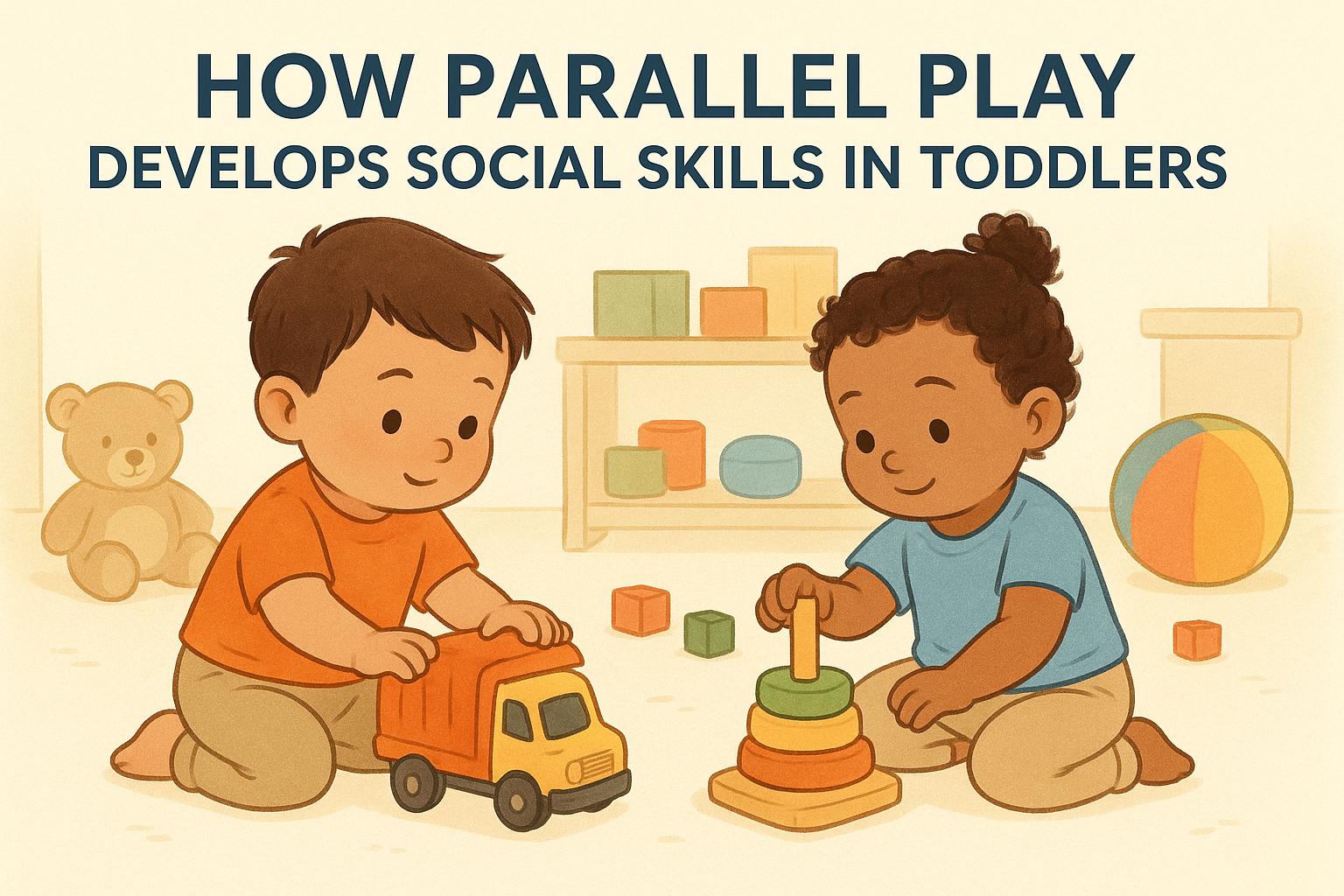
Parallel play typically occurs in the toddler years, usually between the ages of 2 and 3. During this stage, children play independently, even when they are in close proximity to other kids. They might build blocks, draw, or engage in imaginative play, all while being aware of other children around them. While they may not be directly interacting, the presence of peers can influence their play and create an enriched environment for social learning. There’s a fuller look at early exposure to AI companions.
It’s crucial to recognize that parallel play is not a sign of social immaturity or disinterest; rather, it’s a normal developmental phase. Children are actively observing and absorbing social cues from their environment, setting the groundwork for later cooperative play. This phase of play is essential in laying the foundation for more complex social interactions that will develop as they grow older.
The Developmental Importance of Parallel Play
Understanding the developmental significance of parallel play helps clarify why this form of play should be encouraged. During this phase, toddlers are not just engaging in solitary activities; they are also:
- Observing Social Interactions: Even if toddlers are not interacting, they are keen observers of how their peers behave, respond, and express emotions. This observation helps them understand social norms and expectations.
- Practicing Independence: Parallel play allows children to explore their interests and preferences without the pressure of sharing or negotiating with others.
- Experimenting with Communication: They may talk to themselves or comment on their actions, which is a precursor to verbal communication skills when they engage more directly with peers.
- Building Confidence: As they navigate their own play experiences, toddlers gain a sense of autonomy that boosts their self-esteem.
Research indicates that these early experiences are crucial for fostering emotional regulation, empathy, and cooperation. Children start to develop the skills necessary to transition from parallel play to more interactive forms of play, such as associative and cooperative play, where sharing and collaboration become central themes.
Stages of Play: From Parallel to Cooperative
Play evolves through several stages, and understanding these can help caregivers facilitate better developmental outcomes. The stages are often categorized as follows:
- Solitary Play: This is the early stage where toddlers play alone, focused on their own activities without regard for others.
- Parallel Play: As mentioned, this stage involves playing alongside peers without direct interaction, which begins around age 2 and can last until about age 3.
- Associative Play: By age 3 to 4, children start to engage with each other, sharing toys and ideas but still primarily focused on their activities.
- Cooperative Play: This stage, emerging around age 4 to 5, is marked by organized activities where children work together towards a common goal.
Each phase is critical. While parallel play may look like mere coexistence, it is a stepping stone to more complex interactions. As toddlers begin to practice the art of playing beside others, they lay the groundwork for developing critical social skills. (See: definition of play activity.)
How Parallel Play Fosters Key Social Skills
Engaging in parallel play helps toddlers cultivate several important social skills. Here’s a closer look at some of these skills and how they develop during this phase:
1. Observation Skills
As toddlers engage in parallel play, they naturally observe their peers. This observation is vital for learning social norms, such as taking turns or recognizing different emotional expressions. Through watching others, children can learn problem-solving strategies, how to deal with frustration, and even the concept of empathy. For instance, if one child falls and cries, another might learn to offer comfort or seek help.
2. Emotional Regulation
During parallel play, toddlers also practice managing their emotions. They encounter various scenarios—like being frustrated when a block tower falls—which can lead to emotional outbursts. While they may not directly interact with other children, they see how their peers react, which helps them learn ways to cope with their feelings. This ongoing process is essential for developing emotional intelligence.
3. Language Development
Even without direct interaction, parallel play provides a rich backdrop for language acquisition. Children often verbalize their thoughts or narrate their play, which enhances their vocabulary and speech patterns. By hearing other children talk, they pick up new words and phrases, reinforcing their language skills. For instance, a toddler might hear another child use the word “share” and then incorporate it into their own vocabulary during playtime.
4. Social Negotiation
While parallel play is characterized by independent play, it also sets the stage for future negotiation skills. Children may witness peers negotiating over toys or establishing rules for play, even if they aren’t directly involved. By observing these interactions, a toddler learns how to communicate needs and desires effectively, which is a critical element of successful socialization.
Encouraging Parallel Play in Toddlers
If you’re a parent or caregiver, you might be wondering how to foster parallel play in toddlers effectively. Here are some practical strategies:
- Provide Ample Play Space: Create an environment where children can play side by side comfortably without feeling crowded or rushed.
- Offer a Variety of Toys: Having a diverse range of toys encourages children to engage in individual play while still allowing for observation of others.
- Set Up Playdates: Organizing playdates with peers can help toddlers experience parallel play in a structured setting, providing opportunities for them to interact.
- Model Cooperative Behaviors: As a caregiver, demonstrate sharing, taking turns, and emotional support during play to set an example for toddlers.
Recognizing the value of parallel play means you’re fostering an important skill set that will serve toddlers well into their childhood. Encouragement during this phase will help them transition smoothly into more complex forms of play.
Current Research and Relevance
Contemporary research supports the idea that parallel play is essential in the early stages of social development. Studies have shown that children who engage in more parallel play tend to have stronger social skills later on. A 2022 study published in the journal Child Development found that toddlers who were observed engaging in parallel play displayed more advanced social behaviors by the time they reached preschool. (See: CDC on child development stages.)
Experts contend that the rise of technology and screen time may impact the amount of parallel play children engage in today. With tablets and smartphones often taking the place of traditional play, there’s a growing concern that children may miss out on these vital social interactions. Consequently, parents and educators need to emphasize the value of face-to-face interactions and unstructured playtime.
Parallel Play vs. Other Types of Play
It can be useful to compare parallel play with other forms of play to understand its unique benefits better. For instance, associative play occurs when toddlers start interacting more closely, sharing ideas, and building off each other’s play. However, while associative play encourages cooperation, it’s not always as focused on observation and individual exploration as parallel play. In contrast, cooperative play emphasizes working together towards shared objectives and involves more negotiation and communication skills.
Research indicates that while all types of play have their benefits, the observational learning that occurs during parallel play is crucial. It allows toddlers to learn at their own pace while still being part of a social group. This unique combination of independence and social presence makes parallel play a standout phase in childhood development.
Real-Life Examples of Parallel Play
Understanding parallel play can be made clearer with real-life examples. Imagine two toddlers playing in a sandbox. One child builds a sandcastle while the other digs a hole nearby. They are not interacting; however, they are aware of each other’s actions. The child building the castle might observe how the other uses a shovel and decide to use one as well, enhancing their own play experience. These moments are rich in learning opportunities, even without direct engagement.
In another scenario, consider a playroom where several children have different toys. One child is playing with a set of blocks, stacking them high, while another is absorbed in a puzzle on the other side of the room. Although they are not playing together, each child is inspired by the other’s presence, creating a fun and dynamic atmosphere that encourages creativity.
Tips for Parents: Nurturing Parallel Play
If you’re a parent looking to nurture your toddler’s parallel play, consider these tips:
- Encourage Group Activities: Even if children don’t engage directly, setting up group activities like arts and crafts can promote a sense of community.
- Be Patient: Understand that each child develops at their own pace. Encourage play without forcing interaction.
- Ask Open-Ended Questions: Spark discussions about what they are doing, even if they play separately. This encourages communication while respecting their play style.
Frequently Asked Questions About Parallel Play
What age does parallel play typically start?
Parallel play usually begins around the age of 2 and can continue until about age 3. However, children can engage in parallel play even beyond this age, especially if they are in environments where social interaction is less frequent.
Is parallel play a sign of shyness or social issues?
No, parallel play is a normal developmental stage. It doesn’t indicate that a child is shy or struggling socially; rather, it reflects their current developmental needs and learning style.
How can I tell if my child is engaging in parallel play?
Look for signs such as your child playing beside another child without direct interaction but still being aware of what the other child is doing. They might comment on the other’s actions, showing they are engaged.
What should I do if my child prefers to play alone?
Encourage playdates and group activities without pushing them to interact directly. Provide opportunities for parallel play while respecting their comfort level.
Conclusion: The Lasting Impact of Parallel Play
In essence, parallel play is more than just a phase; it’s a crucial part of toddlers’ social and emotional development. While it may seem simple on the surface, this form of play is deeply rooted in learning and growth. By understanding and fostering parallel play, caregivers can help toddlers build the foundation for strong social skills that will benefit them throughout their lives. So, the next time you see toddlers playing side by side, know that they’re on an important journey of growth and discovery.
“` language delays from screen time offers useful background here.
Trending Now
Frequently Asked Questions
What is parallel play in toddlers?
Parallel play is a stage in toddler development, typically occurring between ages 2 and 3, where children play alongside each other without direct interaction. They engage in independent activities while being aware of their peers, which helps them absorb social cues and lays the groundwork for future social interactions.
Why is parallel play important for social skills?
Parallel play is crucial for developing social skills as it allows toddlers to observe their peers' behaviors and emotions. This observation helps them understand social norms and prepares them for more complex interactions in the future, fostering independence and self-expression.
How does parallel play differ from cooperative play?
Parallel play differs from cooperative play in that toddlers engage in independent activities while in proximity to others, without direct interaction. Cooperative play, which develops later, involves children working together towards a common goal, requiring more advanced social skills and communication.
At what age does parallel play occur?
Parallel play typically occurs between the ages of 2 and 3. During this developmental stage, toddlers prefer to play alongside their peers rather than directly interacting, allowing them to explore their interests while still being part of a social environment.
Is parallel play a sign of social immaturity?
No, parallel play is not a sign of social immaturity. It is a normal developmental phase where toddlers learn by observing their peers. This stage is essential for building foundational social skills that will help them engage in more complex interactions as they grow.
What did we miss? Let us know in the comments and join the conversation.



