
Introduction
The world is rapidly evolving, and education must keep pace with these changes to ensure that students are well-equipped to navigate the complexities of modern life. Improving teaching and learning is a continuous endeavor that seeks to optimize the educational experience for both educators and learners. This article explores various innovative strategies to enhance teaching and learning, fostering greater student engagement, critical thinking, and tangible progress.
Embracing Technology
Integrating technology in the classroom opens up new avenues for teaching and learning. The power of digital tools not only provides unprecedented access to information but also creates interactive experiences that can significantly boost student engagement. Virtual reality (VR), augmented reality (AR), and gamification offer immersive, hands-on opportunities for learners to explore various subjects, making lessons more dynamic, memorable, and enjoyable.
Adopting Personalized Learning Approaches
Recognizing that no two students learn the same way, personalized learning approaches tailor educational experiences to individual needs, interests, and goals. By incorporating adaptive technologies or data-driven instruction methods, educators can create customized pathways that enable students to learn at their own pace. This approach empowers each learner to develop unique potential while addressing personal challenges more effectively.
Promoting Collaboration
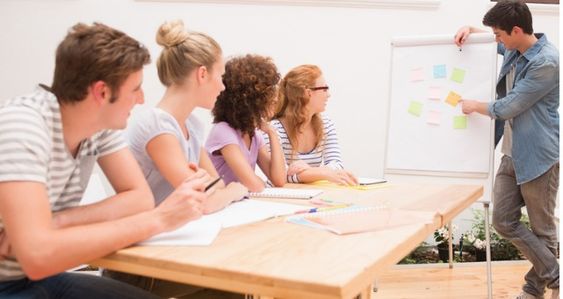
Effective collaboration is an essential life skill that prepares students for living, working, and problem-solving in interconnected multilateral societies. Encouraging collaborative learning in the classroom helps foster teamwork and builds a sense of community among students. Teachers can routinely include group projects or divide tasks into smaller segments that require cooperation, thereby nurturing strong interpersonal communication skills.
Cultivating Critical Thinking Skills
To be well-rounded citizens of the 21st century, students need advanced critical thinking skills. Educators must emphasize constructive inquiry by encouraging activities that require analysis, evaluation, synthesis of evidence-based arguments or decisions. Incorporating open-ended questions and real-life problems stokes intellectual curiosity while building resilience and adaptability in students.
Investing in Professional Development
Teachers must remain lifelong learners to stay on top of pedagogical best practices and emerging instructional strategies. Continued professional development allows educators to enhance their skills, stay current with social, political, or technological changes and overcome potential challenges. Regular workshops, conferences, and collaboration with other teachers can help create a more enriching teaching experience.
Establishing Positive Relationships
Creating a positive learning environment where students feel valued, supported, and motivated boosts academic achievement. Teachers should strive to be empathetic, compassionate, and approachable to students while also encouraging communication with families. Actively engaging with learners outside the classroom builds trust and strengthens relationships – forming the foundation for long-term success.
Conclusion
Improving teaching and learning is an ongoing process that requires commitment and open-mindedness from all stakeholders. By embracing innovative strategies like integrating technology, personalizing education, promoting collaboration, cultivating critical thinking skills, investing in professional development, and establishing positive relationships, educators can lay the foundation for a brighter educational landscape that benefits both teachers and learners alike.