Introduction
In today’s increasingly diverse world, the concept of inclusion has taken on significant importance in the field of education. Inclusion refers to the practice of integrating students with disabilities or learning differences into a mainstream classroom setting, providing equal access to educational opportunities for all students. Inclusion encompasses not only academic support but also social, emotional, and practical assistance to facilitate a well-rounded learning experience for every student.
Creating an inclusive environment in the primary classroom is essential, as it sets the foundation for learners’ attitudes towards their peers and education, ensuring that each child feels valued and respected. This article provides an overview of effective strategies for fostering inclusion in the primary classroom.
1. Set clear expectations from the outset
Establishing clear expectations regarding behavior and respect at the beginning of the school year is essential for creating a successful inclusive environment. This should involve outlining guidelines for how students are expected to treat one another and addressing any misconceptions about individuals with disabilities or learning differences. Regularly revisiting these conversations throughout the year will help reinforce these expectations.
2. Focus on strengths and abilities
Emphasize each student’s strengths, gifts, and abilities rather than concentrating solely on their challenges or limitations. Provide opportunities for students to showcase their strengths and talents through projects, group work, presentations, or other forms of communication.
3. Differentiate instruction
Adapt teaching techniques according to individual students’ needs; include a variety of instructional methods such as visual aids, hands-on activities, collaborative learning opportunities, and multimedia resources to cater to different learning styles.
4. Collaborate with support staff
Inclusive classrooms often rely on an interdisciplinary team approach that may include special education teachers, paraprofessionals, therapists, and other support staff members working together to meet students’ unique needs. Establishing open lines of communication among team members fosters collaborative relationships and ensures seamless support for students.
5. Encourage peer relationships
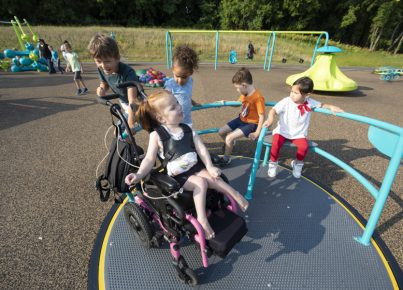
Creating opportunities for positive interactions among peers is vital, as social inclusion is an essential component of overall inclusion. Emphasize team building and cooperative learning activities that encourage students to interact with and rely on one another, thereby fostering empathy, understanding, and connections.
6. Provide plenty of feedback and praise
Acknowledging when a student does something well or demonstrates progress is essential for building confidence, self-esteem, and motivation in all learners. Offer frequent feedback and celebrate individual achievements no matter the size.
7. Teach self-advocacy skills
Empower students by teaching them how to identify their personal needs, ask for help, access resources, express their ideas effectively, and engage in problem-solving strategies that can be applied throughout their schooling experience.
Conclusion
Inclusion in the primary classroom plays a crucial role in shaping students’ perspectives towards education, people with diverse abilities, and their sense of belonging within the school community. By setting clear expectations, focusing on strengths and abilities, differentiating instruction, collaborating with support staff, encouraging peer relationships, providing feedback and praise, and teaching self-advocacy skills, educators can create a nurturing environment where every student can thrive.