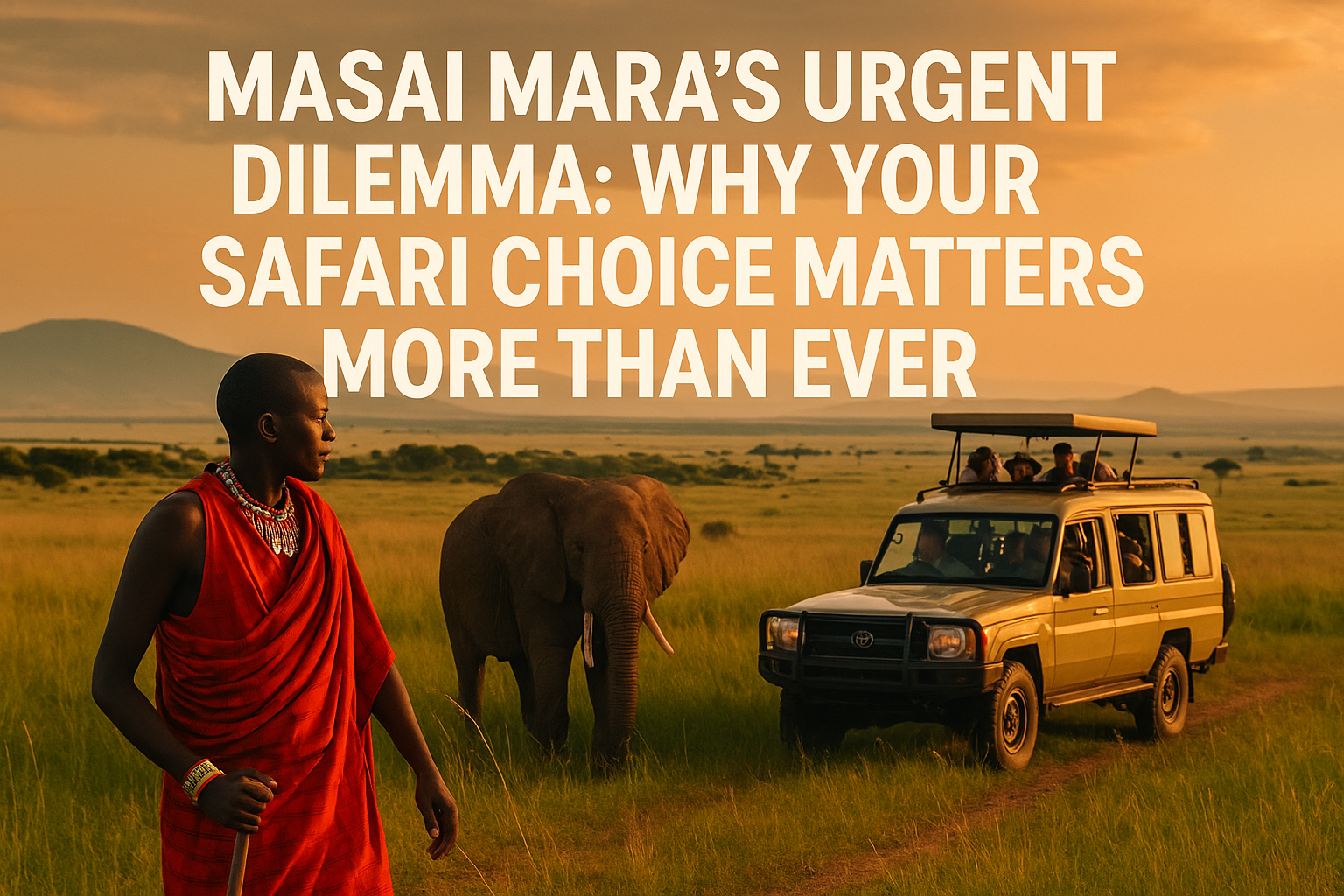

Imagine standing on the vast plains of the Maasai Mara, the golden light of dawn painting the savannah, and a herd of elephants slowly making their way across the horizon. It’s a dream for countless travelers, a bucket-list experience that promises unparalleled wildlife encounters. But beneath this idyllic surface, Kenya’s most iconic ecosystem is facing a complex and emotionally charged battle. The rapid expansion of tourism, particularly luxury safari lodges, is clashing with urgent conservation needs, pushing the very landscape we come to admire to its breaking point. This isn’t just about choosing a place to sleep; it’s about making a difference with your travel dollars. Understanding the core debate between luxury safari lodges vs eco-friendly camps Maasai Mara is more critical now than ever before.
For years, the Maasai Mara has been synonymous with the Great Migration, drawing millions of visitors eager to witness nature’s grandest spectacle. This influx, while economically beneficial, has led to a proliferation of accommodation options, from opulent five-star lodges to more rustic, tented camps. The issue at hand, however, isn’t simply variety; it’s sustainability. Conservation groups have initiated multiple lawsuits, challenging these tourism developments due to alleged inadequate environmental safeguards and the destruction of crucial wildlife habitats. Major hospitality players, including the Ritz-Carlton Hotel Company and Marriott International, are even named in petitions seeking to halt further construction. This legal and environmental struggle highlights a global tension: how do we balance economic development through tourism with the urgent need for ecological preservation? Let’s dive into the nuances of this critical choice.
The Maasai Mara’s Growing Pains: A Battle for the Future
The Maasai Mara isn’t just a park; it’s a complex ecosystem, a lifeline for countless species, and the ancestral home of the Maasai people. Its global appeal, largely driven by the annual wildebeest migration, has unfortunately become a double-edged sword. While tourism provides much-needed revenue and employment, the sheer volume of developments, particularly those catering to high-end luxury, is putting immense pressure on fragile habitats. Roads are being built, fences are appearing, and permanent structures are replacing what were once open plains, disrupting ancient migration routes and fragmenting wildlife territories.
This isn’t a new problem, but it’s reached a critical juncture. The lawsuits filed by conservation groups aren’t just bureaucratic maneuvers; they’re desperate pleas to protect an ecosystem that many fear is on the brink. These legal challenges specifically target developments accused of lacking proper environmental impact assessments, or even outright ignoring regulations. When you have global brands involved, the stakes become incredibly high, and the implications for the future of responsible tourism are profound. Your choice of accommodation, therefore, isn’t just a personal preference; it’s a vote for the kind of future you want to see for the Mara.
1. Luxury Safari Lodges: The Allure of Opulence
Luxury safari lodges in the Maasai Mara often epitomize extravagance. Think infinity pools overlooking the savannah, gourmet dining, private butler service, and lavish suites complete with air conditioning and every modern amenity imaginable. These establishments are designed to offer an unparalleled level of comfort and exclusivity, appealing to travelers who seek the ultimate indulgence alongside their wildlife experience. They often boast prime locations, sometimes within the conservancies or even the main reserve, offering convenient access to game viewing.
The argument for these lodges often centers on their economic contribution. They employ a large workforce, from chefs and guides to housekeeping and management, often providing well-paying jobs and stimulating the local economy through supply chains. Furthermore, many luxury lodges contribute significant concession fees to the local Maasai communities and conservation efforts, funds that are theoretically channeled back into protecting the land and its wildlife. However, this contribution can sometimes be overshadowed by their environmental footprint.
2. Eco-Friendly Camps: Blending with Nature
On the other side of the spectrum are eco-friendly camps, often referred to as ‘tented camps,’ which prioritize minimal environmental impact and a more immersive, authentic safari experience. These camps are typically designed to be temporary or semi-permanent, utilizing structures that can be easily dismantled without leaving a lasting footprint. They focus on sustainable practices such as solar power, water conservation (often through rainwater harvesting and greywater recycling), waste management, and the use of locally sourced, biodegradable materials. (See: Sustainable Development Goals.)
The guest experience here is less about opulent luxury and more about connection to nature. You might find bucket showers, composting toilets, and lanterns instead of electric lights, fostering a sense of adventure and intimacy with the wilderness. These camps often operate in smaller, privately managed conservancies bordering the main reserve, which are crucial buffer zones for wildlife and often offer a more exclusive game-viewing experience with fewer vehicles. They also tend to have a deeper integration with local communities, employing staff from nearby villages and supporting community-led conservation initiatives directly.
3. Environmental Footprint: A Tale of Two Impacts
The environmental footprint is perhaps the most significant differentiator when comparing luxury safari lodges vs eco-friendly camps Maasai Mara. Luxury lodges, with their permanent structures, extensive infrastructure, and high energy demands (air conditioning, large kitchens, swimming pools), inherently have a larger impact. Construction often requires heavy machinery, altering landscapes and potentially disrupting animal pathways. Waste management can also be a challenge for larger, more remote operations, and the consumption of resources like water and electricity can be substantial.
Eco-friendly camps, by design, strive for a minimal footprint. Their temporary nature means less disturbance to the land during construction and operation. Reliance on renewable energy sources like solar panels significantly reduces carbon emissions. Water conservation is paramount, and waste is often meticulously sorted, recycled, or removed from the site. This approach not only lessens the immediate impact but also sets a precedent for sustainable tourism development, demonstrating that comfort and conservation don’t have to be mutually exclusive.
4. Wildlife Conservation Efforts: Direct vs. Indirect Support
Both types of accommodations often claim to support wildlife conservation, but the mechanisms and directness of that support can vary. Many luxury lodges contribute through concession fees paid to the Maasai communities who own the land, which are then theoretically allocated to conservation and community development. They might also fund anti-poaching units or specific research projects. This is often an indirect form of support, where the lodge acts as a financial conduit.
Eco-friendly camps, particularly those in community-owned conservancies, often have a more direct and integrated approach. Many are founded with conservation as a core tenet, channeling a significant portion of their revenue directly into conservancy management, wildlife monitoring, and community initiatives that directly link economic benefits to conservation success. For instance, some camps might directly employ Maasai morans (warriors) as rangers, providing economic incentives for wildlife protection. This direct engagement often fosters a stronger sense of ownership and responsibility among local communities for their natural heritage.
5. Community Engagement and Benefits: Who Truly Gains?
The question of who truly benefits from tourism revenue is central to the Maasai Mara debate. Luxury lodges, while employing locals, sometimes operate with a more corporate structure, where the profits might largely flow out of the region. While they pay land lease fees, the extent to which these funds directly and transparently benefit the wider community can sometimes be opaque. There have been instances where communities feel marginalized or that their land is being exploited for external profit.
Eco-friendly camps, especially those established in partnership with Maasai communities, often prioritize equitable benefit sharing. They frequently have a higher percentage of local staff, invest in local schools and clinics, and support Maasai-owned businesses. The model often focuses on empowerment and capacity building, ensuring that the communities not only receive financial compensation but also have a direct stake and voice in the management and future of the conservancies. This deeper integration aims to create a sustainable model where the prosperity of the community is intrinsically linked to the health of the ecosystem. (See: Kenya's Safari Tourism Challenges.)
6. Guest Experience: Immersion vs. Isolation
The experience offered by luxury safari lodges vs eco-friendly camps Maasai Mara is fundamentally different. A luxury lodge provides a curated, often insulated experience. You’re in a bubble of comfort, returning from game drives to a world of pristine amenities, often with limited interaction with the natural elements beyond what’s visible from your veranda. It’s about seeing the wildlife and then retreating to sophisticated comfort. For some, this is precisely what they seek – a worry-free, pampered adventure. See also importance of micro credentials.
Eco-friendly camps, conversely, offer a more immersive and raw experience. You are closer to nature, often hearing the sounds of the bush through your tent canvas at night. The focus is on disconnecting from modern distractions and truly connecting with the environment and the local culture. Meals might be communal, fostering interaction with other guests and guides. While the amenities are simpler, the intimacy with the wilderness and the sense of genuine adventure can be profoundly rewarding, leaving a lasting impression that goes beyond mere comfort.
7. Economic Viability and Scale: A Balancing Act
The economic viability of both models is crucial for long-term sustainability. Luxury lodges, with their high price points, often generate significant revenue per guest, allowing for large-scale investments and a broader marketing reach. However, their high overheads and extensive infrastructure can also make them vulnerable to economic downturns or changes in travel trends. The sheer scale of some of these developments is also a concern for conservationists, as larger facilities inevitably place greater strain on local resources and wildlife.
Eco-friendly camps often operate on a smaller scale, with lower overheads and a more focused niche market. Their economic viability often hinges on strong relationships with tour operators who prioritize responsible travel and on their ability to offer a unique, authentic experience. While they might not generate the same volume of revenue as a large luxury lodge, their smaller footprint and often higher profit margins per guest (due to lower operating costs) can make them incredibly resilient and sustainable in the long run. The challenge for these camps is often securing initial funding and competing with the marketing power of larger brands.
8. Policy and Regulation: The Unfinished Battleground
A significant part of the current controversy in the Maasai Mara revolves around policy and regulation. Conservation groups argue that existing environmental safeguards are either inadequate or poorly enforced, allowing for unchecked development. The legal battles highlight a perceived failure by local and national authorities to properly manage land use and ensure sustainable tourism practices. This is where the Ritz-Carlton Hotel Company and Marriott International come into play, being named in petitions that question the legality and environmental prudence of their proposed or existing developments.
For travelers, this means doing your homework. A camp’s claim of ‘eco-friendly’ should be backed by verifiable certifications (like EcoTourism Kenya), transparent operating practices, and a clear commitment to conservation and community benefits. The legal challenges underscore that simply being a ‘luxury’ brand doesn’t automatically equate to responsible development. It’s a complex landscape where the letter of the law is often contested, and ethical considerations frequently outweigh mere compliance.
9. The Future of the Migration: A Direct Consequence
The annual wildebeest migration, the very heartbeat of the Maasai Mara, is directly threatened by unsustainable development. Permanent structures, increased human activity, and fragmented habitats disrupt the ancient routes that these animals have followed for millennia. If the wildebeest cannot access crucial grazing areas or safe crossing points, the entire ecosystem suffers. The predator-prey dynamics are thrown off balance, and the health of the grasslands, essential for all herbivores, deteriorates. (See: Impact of Tourism on Wildlife.)
Choosing an eco-friendly camp, particularly one situated in a well-managed conservancy that prioritizes open landscapes and minimal human impact, directly supports the integrity of the migration corridors. These conservancies act as vital extensions of the main reserve, providing critical space for wildlife. When you support such operations, you’re not just funding a safari; you’re investing in the future of one of the world’s most spectacular natural phenomena, helping to ensure that future generations can witness the same awe-inspiring spectacle.
10. Your Role as a Traveler: Making an Impactful Choice
Ultimately, the choice between luxury safari lodges vs eco-friendly camps Maasai Mara rests with you, the traveler. But it’s a choice laden with ethical implications. Are you seeking an indulgent escape that might inadvertently contribute to ecological degradation, or are you looking for an authentic, immersive experience that directly supports conservation and local communities?
Responsible travel means more than just enjoying the scenery; it means understanding your impact. Research your chosen accommodation thoroughly. Look for certifications, read reviews, and seek out operators who are transparent about their conservation initiatives and community partnerships. Ask tough questions. Your travel dollars are powerful, and by consciously choosing eco-friendly camps and lodges that are genuinely committed to sustainability, you become a part of the solution, helping to preserve the Maasai Mara for generations to come. It’s a chance to not just witness the wild, but to actively protect it.
The Maasai Mara is a treasure, a place of unparalleled beauty and biodiversity. Its future hangs in the balance, caught between the forces of economic development and ecological preservation. By making informed, responsible choices as travelers, we can tip that balance towards sustainability, ensuring that the magic of the Mara endures.
Trending Now
Frequently Asked Questions
Why is tourism a dilemma for the Maasai Mara?
The Maasai Mara faces a dilemma as the rapid expansion of tourism, particularly luxury safari lodges, conflicts with urgent conservation needs. This growth threatens the ecosystem and wildlife habitats, prompting conservation groups to challenge developments due to inadequate environmental protections.
What are the differences between luxury safari lodges and eco-friendly camps in Maasai Mara?
Luxury safari lodges offer opulent accommodations and amenities, while eco-friendly camps prioritize sustainability and minimal environmental impact. Choosing between them impacts conservation efforts, as eco-friendly options often contribute more positively to preserving the Maasai Mara's ecosystem.
How does the Great Migration affect tourism in the Maasai Mara?
The Great Migration attracts millions of tourists to the Maasai Mara, boosting the local economy. However, the resulting influx of visitors has led to increased construction of accommodations, raising concerns about sustainability and the ecological balance of this vital ecosystem.
What are the environmental concerns related to safari tourism in Kenya?
Environmental concerns include habitat destruction, inadequate safeguards for wildlife, and the overall impact of increased tourism infrastructure. Lawsuits have been filed against major hospitality companies to address these issues and protect the Maasai Mara's fragile ecosystem.
How can travelers make a positive impact when visiting the Maasai Mara?
Travelers can make a positive impact by choosing eco-friendly accommodations that prioritize conservation and sustainability. By opting for responsible tourism practices, visitors can help support local communities and protect the unique wildlife and habitats of the Maasai Mara.
What's your take on this? Share your thoughts in the comments below — we read every one.