
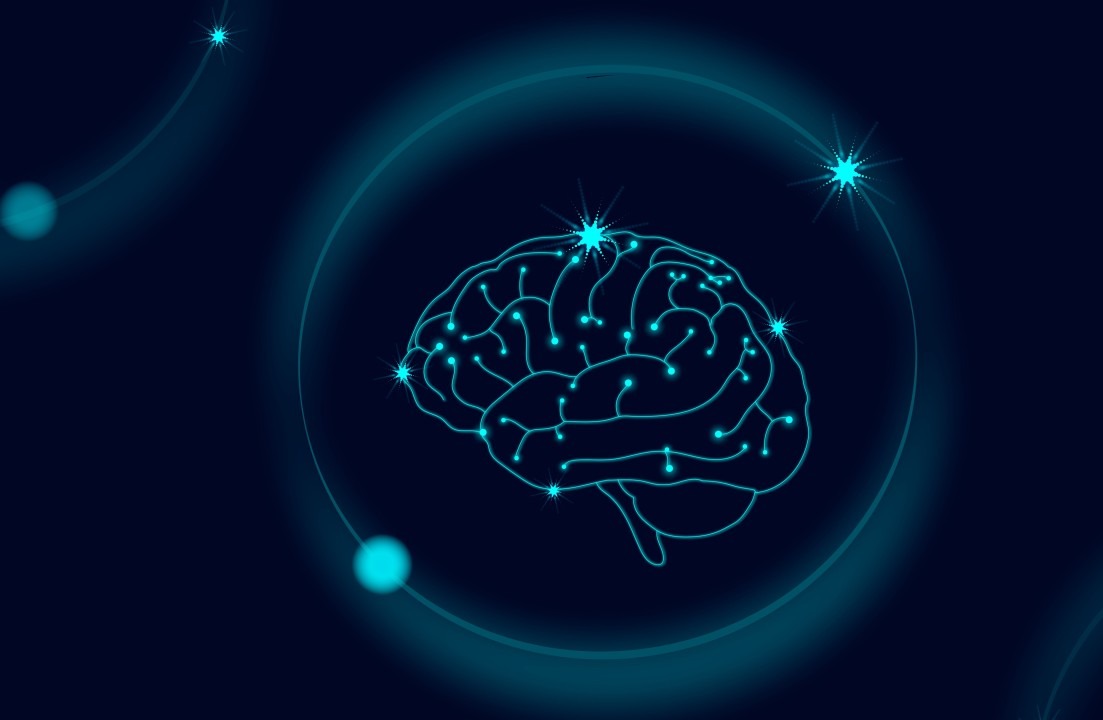

As our understanding of the brain and how we learn continues to evolve, we can expect to see more e-learning platforms incorporating principles from neuroscience into their design by 2025.
Key aspects of neuroscience-informed learning:
- Spaced repetition algorithms based on memory consolidation research
- Attention-optimized content delivery
- Emotion-aware learning systems
- Cognitive load management in course design
By aligning e-learning experiences with how our brains naturally process and retain information, these neuroscience-informed approaches have the potential to significantly enhance learning outcomes and make the learning process more enjoyable and effective.
In conclusion, the e-learning and edtech landscape of 2025 promises to be more personalized, immersive, and effective than ever before. As these trends continue to evolve and intersect, we can look forward to a future where learning is not just more accessible, but also more engaging and impactful for learners of all ages and backgrounds.


