
“`html
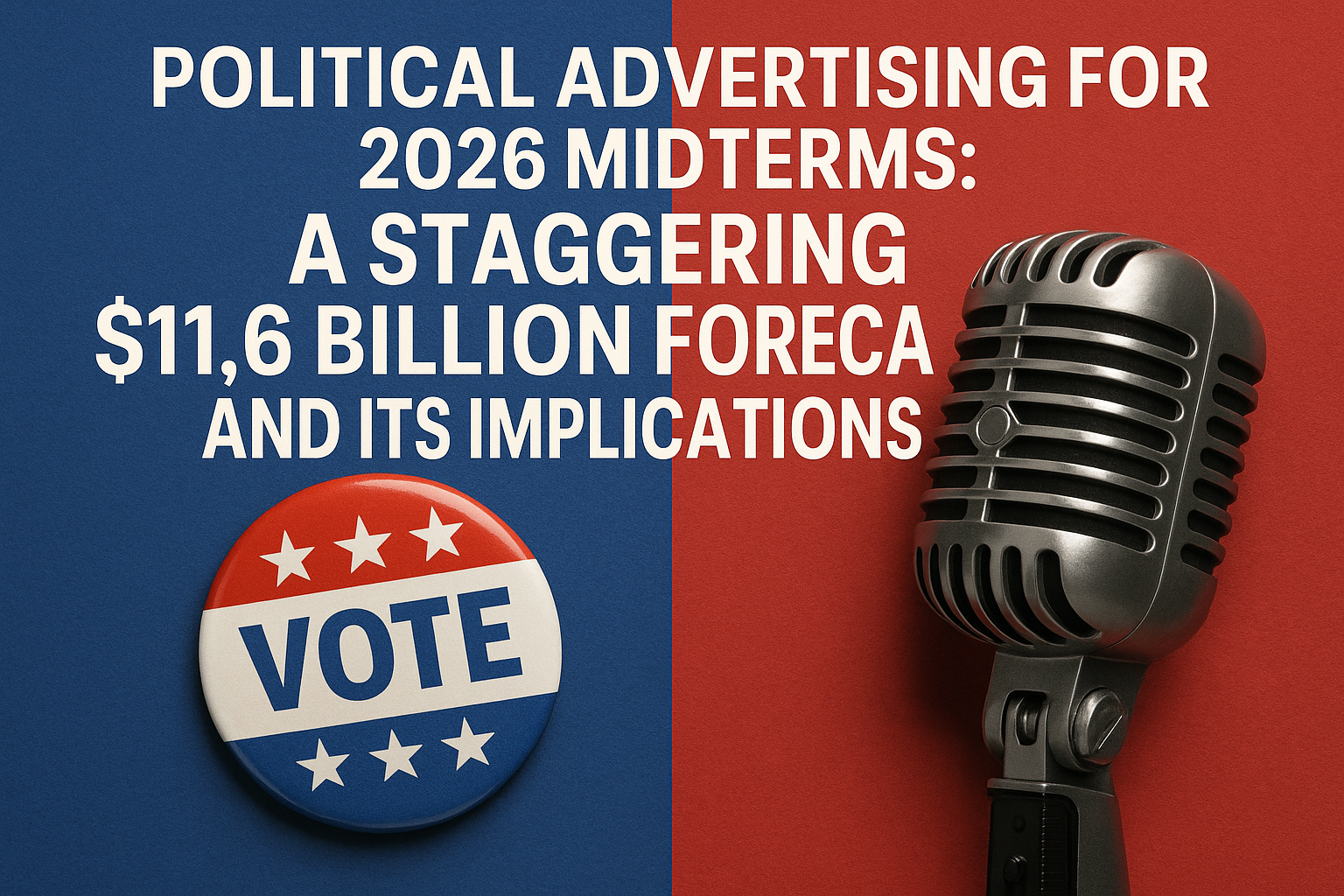
The upcoming 2026 U.S. midterm elections are shaping up to be a financial spectacle unlike any seen before. With projections suggesting that political advertising spending will soar to an astonishing $11.6 billion, there’s no denying that we are entering a new era of electoral campaigning. This amount exceeds even the total spend during the 2024 presidential election cycle, which typically commands the lion’s share of political expenditure. But why are candidates and parties pouring so much money into midterms, and what does this mean for the future of democracy in America?
Understanding the Surge in Political Advertising
Historically, midterm elections have drawn less attention than presidential races, often resulting in lower voter turnout and more subdued political engagement. However, the projection for 2026 indicates a seismic shift. The motivations behind this unprecedented spending can be attributed to several interrelated factors:
- Intense Competition: The stakes have never been higher as both major parties recognize the importance of these elections in shaping the balance of power in Congress.
- Heightened Voter Engagement: There is a palpable increase in public interest surrounding political issues, fueled by social movements and a more politically aware electorate.
- The Digital Influencer Effect: Digital media platforms are now instrumental in disseminating political messages, making it imperative for candidates to invest heavily in online advertising to reach voters where they spend their time.
The Role of Digital Media in Political Campaigning
As traditional media outlets grapple with declining revenues, digital platforms like Facebook, Twitter, and YouTube are becoming the go-to channels for political advertising. The shift toward digital advertising is not merely a trend; it’s a strategic pivot that reflects changing consumer habits:
- Targeted Advertising: Digital platforms offer robust data analytics capabilities that allow campaigns to micro-target specific demographics, making every ad dollar spent more efficient.
- Engagement and Interaction: Unlike passive television spots, online ads can invite interaction, encouraging users to engage with content, share it, and even mobilize their networks.
- Real-Time Feedback: Campaigns can quickly assess ad effectiveness through metrics like click-through rates and engagement levels, providing immediate insights to adapt strategies.
The ability to engage voters in real-time is vital for candidates, especially as concerns about misinformation become more prevalent. With users increasingly wary of their information sources, the need for credible, transparent messaging has never been more urgent.
Debates Over Money in Democracy
The staggering projections for political advertising have ignited heated discussions about the role of money in U.S. democracy. Critics argue that excessive spending undermines the electoral process, allowing wealthier candidates or interests to disproportionately influence outcomes:
- Manipulation of Voter Sentiment: High ad spends often lead to more aggressive messaging, with some ads intentionally spreading misinformation or negative narratives about opponents.
- Voter Fatigue: An overwhelming volume of political advertising can desensitize voters, leading to confusion about candidates and issues, which may ultimately suppress voter turnout.
- Accessibility Concerns: Many smaller, grassroots candidates lack the financial resources to compete, raising questions about equitable representation in the electoral process.
These concerns are particularly relevant in the context of the 2026 midterms, where candidates are racing against one another to capture the electorate’s attention and secure vital funding. As technology allows campaigns to reach voters more directly, the potential for manipulation increases.
The Social Media Landscape and Misinformation
The dynamic nature of social media has created both opportunities and challenges for political advertising in the 2026 midterms. While platforms enable candidates to connect directly with voters, they also serve as breeding grounds for misinformation: (See: 2026 midterm elections forecast.)
- Echo Chambers: Social media algorithms often create echo chambers where users are only exposed to information that aligns with their pre-existing beliefs, making it difficult for voters to access balanced perspectives.
- Viral Misinformation: False narratives can spread rapidly, complicating the efforts of candidates who may try to counteract misleading claims with factual information.
- Voter Distrust: A significant number of citizens express concerns about the reliability of information they encounter online, which can lead to apathy or cynicism toward the electoral process.
As candidates navigate the social media landscape, they must balance the need for aggressive marketing with ethical considerations surrounding truthful messaging.
Engagement Strategies for Candidates
With $11.6 billion on the line, candidates must be strategic about their advertising efforts. Here are some engagement strategies that could prove effective:
- Authenticity: Voters are increasingly looking for candidates who present themselves authentically. Sharing personal stories and experiences can resonate more deeply than overly polished political ads.
- Interactive Content: Incorporating polls, Q&A sessions, or live events can foster a sense of community and encourage voter participation.
- Focus on Key Issues: Candidates who address the issues that matter most to their constituencies—like healthcare, education, and climate change—will likely connect better with voters.
These strategies can be enhanced by leveraging data analytics to tailor messages and engagement tactics, ensuring that campaigns resonate with their intended audiences.
Looking Ahead: The Future of Political Advertising
The anticipated record spending on political advertising for the 2026 midterms marks a significant shift in the landscape of American politics. As money becomes an even more critical factor, candidates will need to adapt to new realities:
- Legislative Changes: As public concern over the influence of money in politics grows, there may be increased calls for campaign finance reform, which could reshape the funding landscape in future elections.
- Ongoing Technological Advancements: As digital media continues to evolve, campaigns must stay ahead of trends and invest in emerging technologies that could revolutionize voter engagement.
- Public Sentiment: Candidate strategies may need to shift in response to growing voter skepticism regarding the political process, emphasizing transparency and community building.
With political advertising spending for the 2026 midterms projected at a staggering $11.6 billion, the implications for democracy are profound. While the potential for connecting with voters has never been greater, so too has the risk of misinformation and manipulation. The challenges ahead will demand that candidates not only invest wisely but also engage ethically and authentically with the electorate.
The Impact of Political Advertising on Voter Turnout
Understanding the relationship between political advertising and voter turnout is crucial for grasping the dynamics of the 2026 midterms. Research indicates that increased ad spending is often correlated with higher voter turnout, particularly in competitive races. According to a study by the Pew Research Center, political ads can effectively mobilize voters when they focus on specific issues that resonate with the electorate. This suggests that the $11.6 billion projected for 2026 could potentially energize voters, especially if campaigns can craft messages that resonate on a personal level.
Case Studies: Successful Political Advertising Campaigns
Looking to past elections can provide insights into what makes political advertising successful. For instance, during the 2020 elections, candidates who effectively utilized social media platforms saw substantial engagement. Senator Jon Ossoff’s campaign in Georgia is a prime example. His targeted ads on platforms like Instagram and Facebook helped him mobilize younger voters, ultimately contributing to his victory. Similarly, the campaign of Alexandria Ocasio-Cortez in 2018 showcased the power of grassroots digital advertising, which galvanized support through relatable content and direct engagement.
Statistics on Political Advertising Spending
Examining the statistics around political advertising spending can give a clearer picture of its growth trends. In 2018, political ad spending reached approximately $3.5 billion. Fast forward to 2022, that number soared to around $7 billion during the midterms. This pattern of increasing investment indicates a growing recognition of the power of advertising in shaping electoral outcomes. The projected $11.6 billion for 2026 represents a staggering increase that underscores the belief that midterms are becoming just as critical as presidential elections. (See: insights on voter engagement trends.)
Expert Perspectives on Political Advertising
Political analysts and strategists have varied opinions on the trajectory of political advertising. Dr. Lisa McKenzie, a political communication expert, suggests that the saturation of political ads in the media landscape requires candidates to be increasingly innovative. “It’s not just about spending more money; it’s about spending it wisely. Candidates need to create messages that resonate emotionally,” she notes. Meanwhile, political strategist Mark Sullivan emphasizes the importance of authenticity: “Voters are savvy. They can smell inauthenticity from a mile away. Campaigns that focus on real narratives tend to perform better.”
Frequently Asked Questions (FAQ)
What defines political advertising?
Political advertising refers to any paid communication that advocates for or against a candidate, party, or political issue, typically during an election campaign.
How does political advertising affect voter perception?
Political advertising can significantly influence voter perception by framing candidates’ images and key issues. Effective ads can enhance a candidate’s appeal, while negative ads can create doubt and mistrust among voters.
Why is there a surge in political advertising spending for the 2026 midterms?
The surge is driven by intense competition, increased voter engagement, and the necessity of digital outreach. Candidates and parties recognize the midterms as critical in shaping congressional control, prompting significant investment in advertising.
What role do social media platforms play in political advertising?
Social media platforms allow for targeted advertising, real-time engagement, and direct communication with voters. They offer a cost-effective means for candidates to reach specific demographics compared to traditional media.
How can voters protect themselves from misinformation in political ads?
Voters can protect themselves by verifying information through trusted sources, cross-referencing claims made in ads, and being cautious of emotionally charged messaging that lacks factual support.
What might the future hold for political advertising after the 2026 midterms?
The future of political advertising will likely focus on more targeted, data-driven approaches, with an increased emphasis on transparency and ethical considerations to combat misinformation.
The Effects of Micro-Targeting in Political Advertising
Micro-targeting has revolutionized how political campaigns reach potential voters. This technique involves using data analytics to identify specific voter segments based on demographics, interests, or behavior. For the 2026 midterms, campaigns are expected to implement micro-targeting more strategically than ever. For example, using data from social media interactions, campaigns can tailor ads that highlight issues most relevant to particular demographic groups, such as climate change for younger voters or healthcare for seniors.
A report from the Brookings Institution suggests that micro-targeting can significantly impact voting behavior, with tailored messages increasing the likelihood of voter engagement by as much as 20%. This trend underscores the importance of data privacy concerns, as many voters are increasingly cautious about how their data is used.
The Importance of Ethical Advertising Practices
Amidst the increasing expenditure on political advertising, the call for ethical practices is louder than ever. Candidates need to ensure that their ads do not only inform but do so truthfully. Experts recommend adopting transparency in political funding and advertising practices to regain voter trust. As more voters express skepticism about ad content, candidates who prioritize ethical standards may have a competitive edge. In fact, a recent survey indicated that 60% of voters are more likely to support candidates who openly disclose their ad spending and funding sources.
Looking at the Global Landscape of Political Advertising
While the focus here is on the U.S. midterms, it’s interesting to note how political advertising is evolving globally. Countries like Canada and the United Kingdom are also seeing shifts in how elections are marketed. For instance, Canada’s recent elections highlighted the impact of digital advertising and social media outreach, with parties investing heavily in online campaigns. Furthermore, the U.K. has begun implementing regulations to address misinformation in political ads, a move that could influence the U.S. landscape as similar concerns grow.
“`
Trending Now
- the complete explanation
- this guide on 12 engaging emotional intelligence activities for kids to foster growth
- read the full story
- our breakdown of 7 essential strategies for boosting emotional intelligence in preschoolers
- our breakdown of 7 effective emotional intelligence activities for kindergarten kids that really work
Frequently Asked Questions
How much is expected to be spent on political advertising for the 2026 midterms?
Political advertising spending for the 2026 midterms is projected to reach an astonishing $11.6 billion, surpassing even the total expenses during the 2024 presidential election cycle.
Why are midterm elections receiving so much funding?
Midterm elections are seeing increased funding due to intense competition between parties, heightened voter engagement on political issues, and the crucial role of digital media in reaching voters effectively.
What factors are driving the increase in political advertising spending?
The surge in political advertising spending can be attributed to intense competition, a more politically aware electorate, and the influence of digital platforms that facilitate targeted advertising.
How is digital media changing political advertising?
Digital media is transforming political advertising by providing platforms like Facebook and Twitter for targeted campaigns, leveraging data analytics to effectively reach and engage voters in a more personalized manner.
What implications does high political advertising spending have for democracy?
The staggering increase in political advertising spending raises questions about the influence of money in politics, voter engagement, and the potential for shaping public opinion, impacting the overall democratic process in America.
Agree or disagree? Drop a comment and tell us what you think.