
Predictive analytics has emerged as a powerful tool in the field of learning analytics, offering educational institutions the ability to forecast student outcomes and intervene proactively to ensure academic success. This trend is revolutionizing how schools and universities approach student retention, performance improvement, and overall educational effectiveness.
At its core, predictive analytics in education involves using historical and current student data to identify patterns and predict future outcomes. These predictions can range from identifying students at risk of dropping out to forecasting performance in specific courses or programs. The power of this approach lies in its ability to flag potential issues before they become significant problems, allowing for timely and targeted interventions.
One of the primary applications of predictive analytics is in early warning systems. These systems analyze various data points such as attendance records, grades, engagement with online learning platforms, and even social factors to identify students who might be struggling. By catching these signs early, institutions can provide additional support, tutoring, or counseling to help students get back on track.
Another significant aspect of this trend is its potential to optimize resource allocation. By predicting which students are likely to need additional support, educational institutions can more effectively distribute their resources, ensuring that help reaches those who need it most. This targeted approach not only improves student outcomes but also enhances the overall efficiency of educational systems.
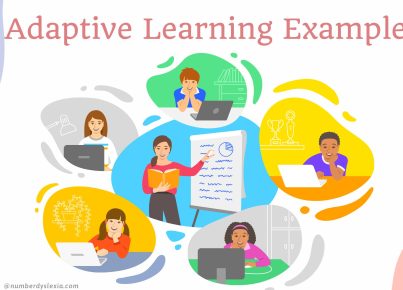
Predictive analytics is also being used to personalize the learning experience. By analyzing a student’s past performance and learning patterns, these systems can recommend specific learning resources, study strategies, or even career paths that align with the student’s strengths and interests.
However, the implementation of predictive analytics in education is not without challenges. There are ethical considerations regarding data privacy and the potential for bias in predictive models. It’s crucial that these systems are designed and used responsibly, with transparency about how predictions are made and used.
Moreover, there’s a need for a cultural shift in educational institutions to become more data-driven in their decision-making processes. This requires not only technological infrastructure but also training for educators and administrators to effectively interpret and act on the insights provided by predictive models.
As this trend continues to evolve, we can expect to see more sophisticated models that incorporate a wider range of data sources, including non-academic factors that influence student success. The integration of machine learning and AI is likely to further enhance the accuracy and capabilities of these predictive systems, potentially leading to more holistic and nuanced understanding of student success factors.