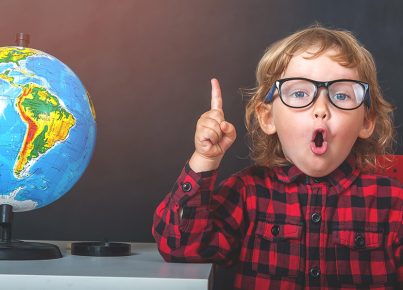
In the ever-evolving landscape of education, it is crucial to maintain a balance between traditional subject matter and new areas of focus. One area in question is primary geography—has it been dethroned in favor of more prominent subjects, or has it adapted to fit into modern educational norms? This article delves into the current state of primary geography education and discusses whether or not it’s falling off the map.
The Importance of Geography Education
Geography education plays an essential role in a child’s overall development as it helps build their understanding of various cultures, environments, and connections between places. Children who engage with this discipline have a solid foundation that encourages intellectual curiosity, discovery, and critical thinking.
The Shifting Educational Landscape
While foundational subjects like mathematics, science, and languages maintain their significance in most curriculums, other subjects such as geography and history tend to be less prioritized. As educators seek to integrate new technologies and 21st-century skills into the classroom, geography may face challenges in vying for attention against emerging disciplines like coding or digital literacy.
The Perils of Deprioritizing Geography
As geography takes a back seat to other subjects in primary schools, its absence can lead to significant gaps in students’ comprehension of essential topics. These gaps include an understanding of global interdependencies and the conservation of natural resources. Moreover, cutting back on teaching geography could hinder students from developing vital skills such as spatial reasoning, map reading, and interpreting complex information—a vital feature that transcends all disciplines.
The Case for Adapting Geography Education
Addressing this decline requires looking towards innovative ways to integrate geography into the classroom. Here are a few suggestions:
1. Embrace Interdisciplinary Learning: Geography can be integrated into other subjects like science or social studies by incorporating geographic concepts alongside content pertaining to climate change or cultural connections.
2. Adopt Technology Tools: To maintain the interest of today’s tech-savvy learners, educators ought to leverage digital tools such as virtual reality, interactive maps, and geographic information systems (GIS) in their teaching processes.
3. Encourage Authentic Exploration: Providing students with opportunities to explore their environment, either by participating in field trips or engaging with community projects that embrace geospatial thinking, helps maintain the relevance of the subject matter.
4. Prepare Teachers: To rise above the apparent decline in primary geography education, it is essential to equip teachers with adequate knowledge and resources. Professional development programs and support networks focused on geography education can go a long way in achieving this goal.
Conclusion
While it may appear that primary geography is falling off the map due to an increasingly competitive and dynamic educational landscape, its significance should not be underestimated. As we strive to raise critical thinkers and compassionate global citizens, geography education must evolve alongside other disciplines to foster comprehensive development in our students. By embracing interdisciplinary learning, utilizing technology tools, promoting authentic exploration, and preparing teachers effectively, we can ensure that geography remains a vital element of our children’s education.