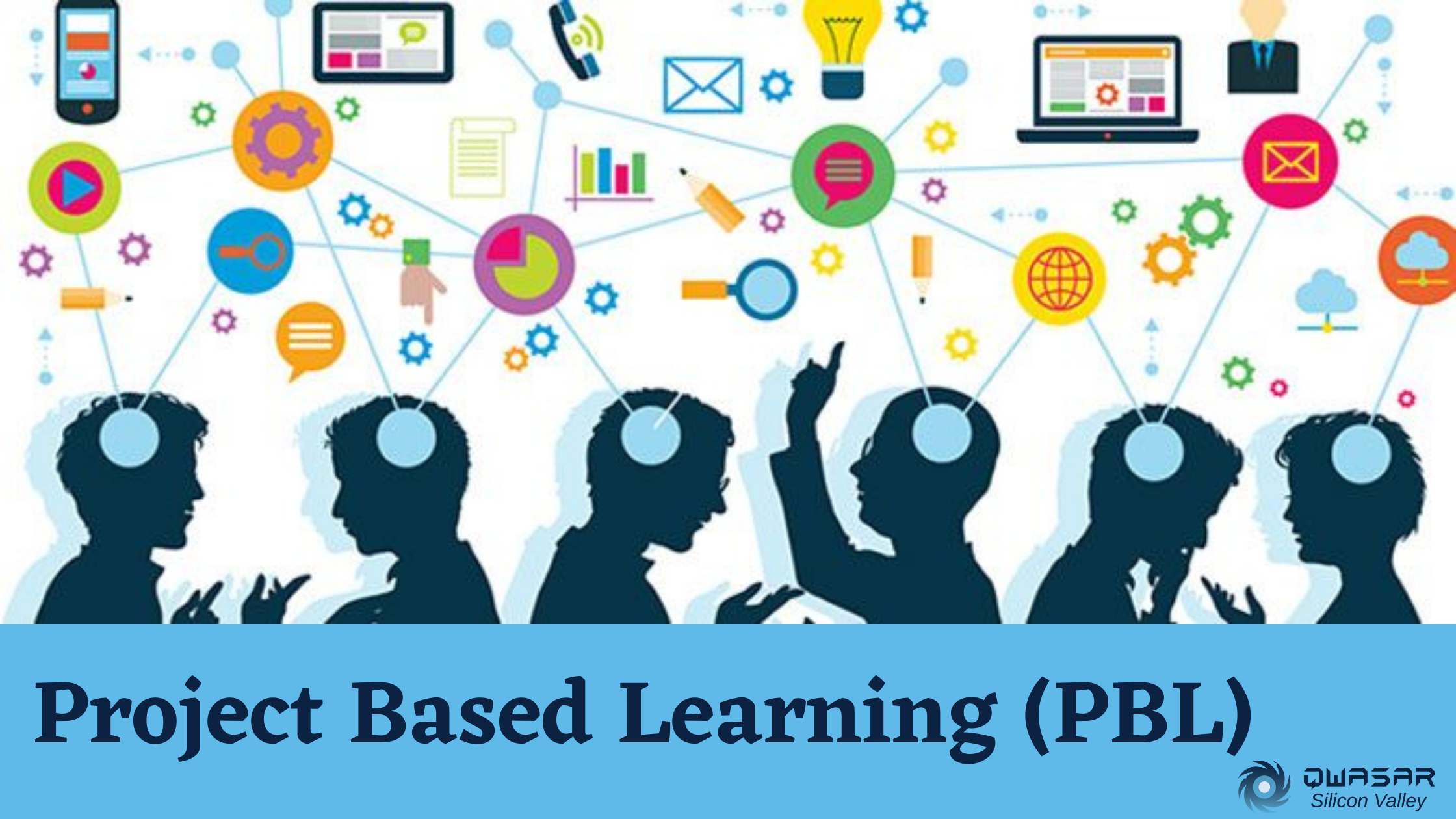

The shift towards project-based learning (PBL) in STEM education represents a significant departure from traditional, lecture-based teaching methods. This approach emphasizes hands-on, collaborative projects that solve real-world problems, bridging the gap between theoretical knowledge and practical application.
In PBL, students are presented with complex, open-ended challenges that require them to apply knowledge from multiple STEM disciplines. For example, a project might involve designing and building a sustainable urban garden, which would incorporate elements of biology, environmental science, engineering, and mathematics.
This interdisciplinary approach not only deepens students’ understanding of individual STEM subjects but also helps them develop crucial 21st-century skills such as critical thinking, problem-solving, teamwork, and communication. By working on projects that have real-world relevance, students see the direct application of their learning, which increases engagement and motivation.
Many schools are partnering with local businesses and organizations to create authentic learning experiences. Students might work on projects to improve their school’s energy efficiency, develop apps to address community issues, or design solutions for local environmental problems. These partnerships not only provide students with meaningful contexts for their learning but also expose them to potential career paths in STEM fields.
Moreover, project-based learning is particularly effective in promoting equity and inclusion in STEM education. By allowing students to approach problems from multiple angles and draw on their diverse backgrounds and experiences, PBL can engage students who might not thrive in traditional classroom settings.
As the demand for workers with strong problem-solving and collaborative skills continues to grow, we can expect to see an increased emphasis on project-based learning in STEM education at all levels, from elementary school through higher education and professional development programs.