
Project-Based Learning (PBL) has emerged as a powerful trend in experiential education, offering students the opportunity to engage with real-world challenges and apply their knowledge in practical, meaningful ways. This approach moves beyond traditional classroom instruction, emphasizing active learning, problem-solving, and the development of critical 21st-century skills.
At its core, PBL involves students working on complex, often interdisciplinary projects over an extended period. These projects are typically designed to address authentic problems or questions, requiring students to investigate, research, and develop solutions. The end result is usually a tangible product, presentation, or performance that demonstrates the students’ learning and skills.
One of the key strengths of PBL is its ability to bridge the gap between theoretical knowledge and practical application. By engaging with real-world problems, students can see the relevance of their learning and understand how different concepts and skills come together in practice. This relevance often leads to increased motivation and engagement, as students can see the direct impact of their work.
PBL also fosters the development of crucial soft skills that are highly valued in today’s workforce. As students collaborate on projects, they learn teamwork, communication, and leadership skills. They also develop time management and organizational abilities as they plan and execute their projects. Problem-solving and critical thinking skills are honed as students navigate complex challenges and make decisions about their project direction.
Another significant aspect of PBL is its emphasis on student autonomy and voice. While teachers provide guidance and support, students often have a significant say in choosing their projects and determining how to approach them. This ownership over the learning process can lead to deeper engagement and a sense of personal investment in the outcome.
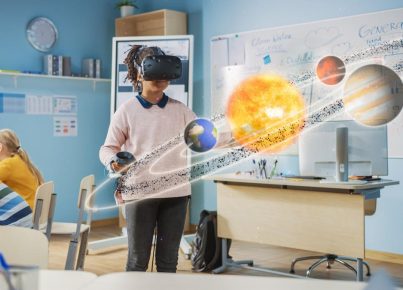
The integration of technology in PBL has opened up new possibilities for collaboration, research, and presentation. Students can now easily connect with experts in the field, access a wealth of information online, and use various digital tools to create sophisticated project outputs. This tech integration not only enhances the learning experience but also helps students develop digital literacy skills that are crucial in the modern world.
PBL also aligns well with the principles of differentiated instruction. Because projects can be approached from multiple angles and at various levels of complexity, they naturally accommodate different learning styles and abilities. This flexibility allows all students to be challenged appropriately and to contribute meaningfully to the project.
Assessment in PBL often takes a more holistic approach, moving beyond traditional tests to evaluate the entire process of learning. This might include assessing the final product, but also considering the research process, collaboration skills, problem-solving approaches, and individual reflections. Such comprehensive assessment provides a more nuanced understanding of student learning and development.
The real-world nature of PBL projects often leads to connections with the local community. Students might work on projects that address local issues, collaborate with community organizations, or present their findings to local stakeholders. These connections not only make the learning more relevant but also help students see themselves as active, contributing members of their community.
However, implementing PBL effectively does come with challenges. It requires careful planning and facilitation from educators, who need to balance providing guidance with allowing student autonomy. Time management can also be an issue, as projects often take longer than traditional instructional units. Additionally, ensuring that all necessary curriculum content is covered within project work can be challenging.
Despite these challenges, the benefits of PBL in experiential education are significant. As education systems around the world seek to prepare students for an increasingly complex and rapidly changing world, PBL offers a powerful approach to developing the skills and mindsets needed for success.
Looking ahead, we can expect to see further innovations in PBL. The integration of artificial intelligence and virtual reality technologies, for instance, could open up new possibilities for project simulations and global collaborations. There’s also growing interest in combining PBL with other educational approaches, such as competency-based education, to create even more personalized and effective learning experiences.
In conclusion, Project-Based Learning represents a significant shift in how we approach experiential education. By providing students with opportunities to engage with real-world challenges, collaborate with peers, and apply their knowledge in meaningful ways, PBL is helping to create more engaged, skilled, and adaptable learners. As this trend continues to evolve, it will undoubtedly play a crucial role in shaping the future of education and preparing students for the challenges of the 21st century.