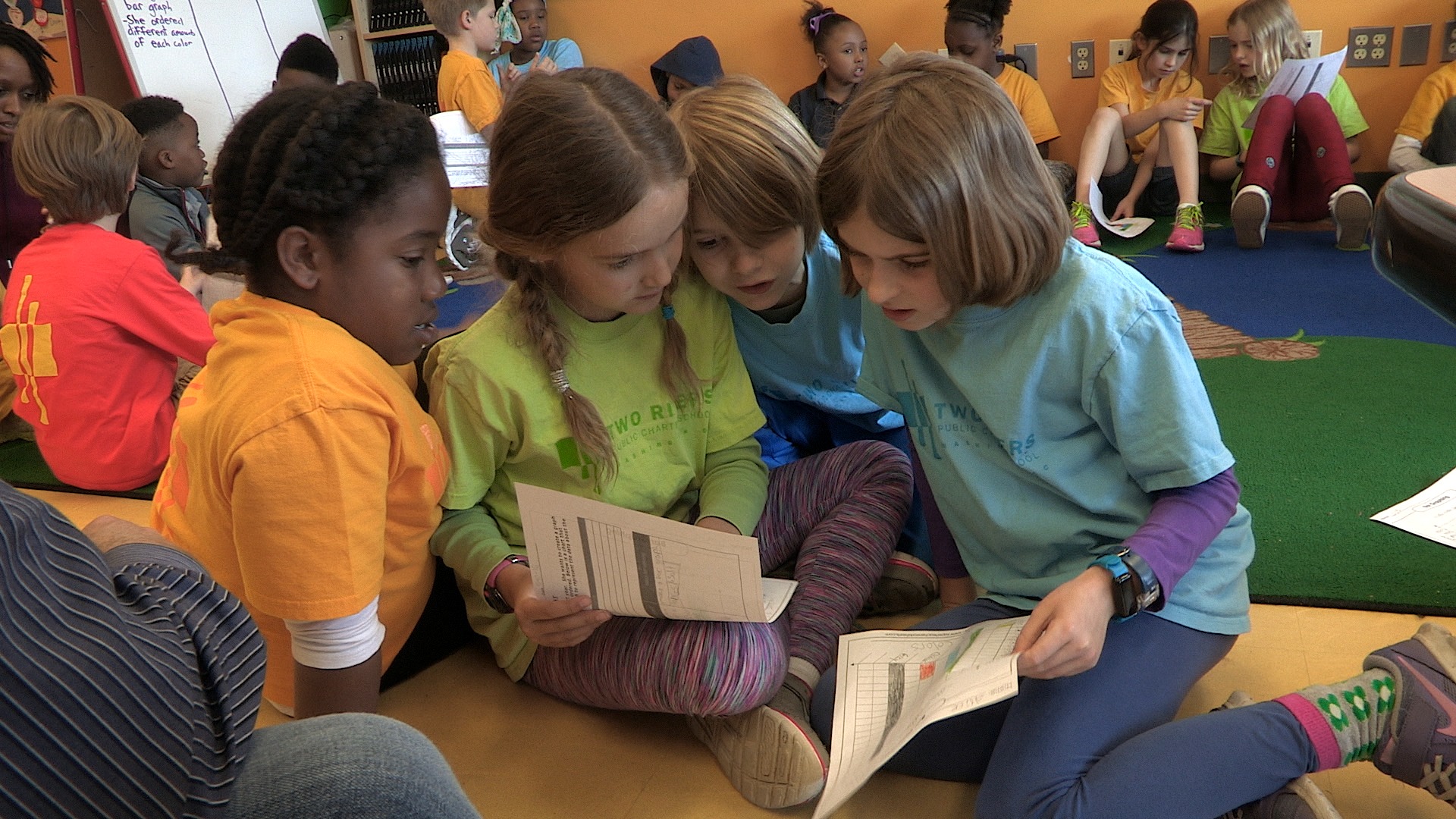

Project-based learning (PBL) is set to take center stage in alternative education by 2025. This teaching method involves students gaining knowledge and skills by working for an extended period to investigate and respond to an authentic, engaging, and complex question, problem, or challenge.
Key aspects of project-based learning:
- Long-term, interdisciplinary projects
- Real-world applications of academic concepts
- Emphasis on collaboration and communication skills
- Student-driven inquiry and problem-solving
In 2025, we expect to see alternative schools structuring their entire curriculum around projects. Instead of traditional subject-based classes, students might work on projects that integrate multiple disciplines. For example, a project on sustainable city design could incorporate elements of environmental science, mathematics, social studies, and art.
These projects will often involve partnerships with local businesses, non-profits, and government agencies, providing students with authentic experiences and connections to their communities. Students might design solutions for local environmental issues, create marketing campaigns for small businesses, or develop apps to address social problems.
PBL aligns well with the skills needed in the modern workforce, such as critical thinking, creativity, and adaptability. It also helps students see the relevance of their learning, increasing engagement and motivation.
However, implementing PBL effectively requires significant changes in how schools operate. Teachers will need to shift from being instructors to facilitators, guiding students through their projects rather than delivering information. Assessment methods will also need to evolve to evaluate the complex, multifaceted work produced in PBL environments.
Despite these challenges, the benefits of PBL make it a promising trend for alternative education in 2025. By connecting learning to real-world issues and emphasizing practical skills, PBL prepares students for success in a rapidly changing world.