

“`html
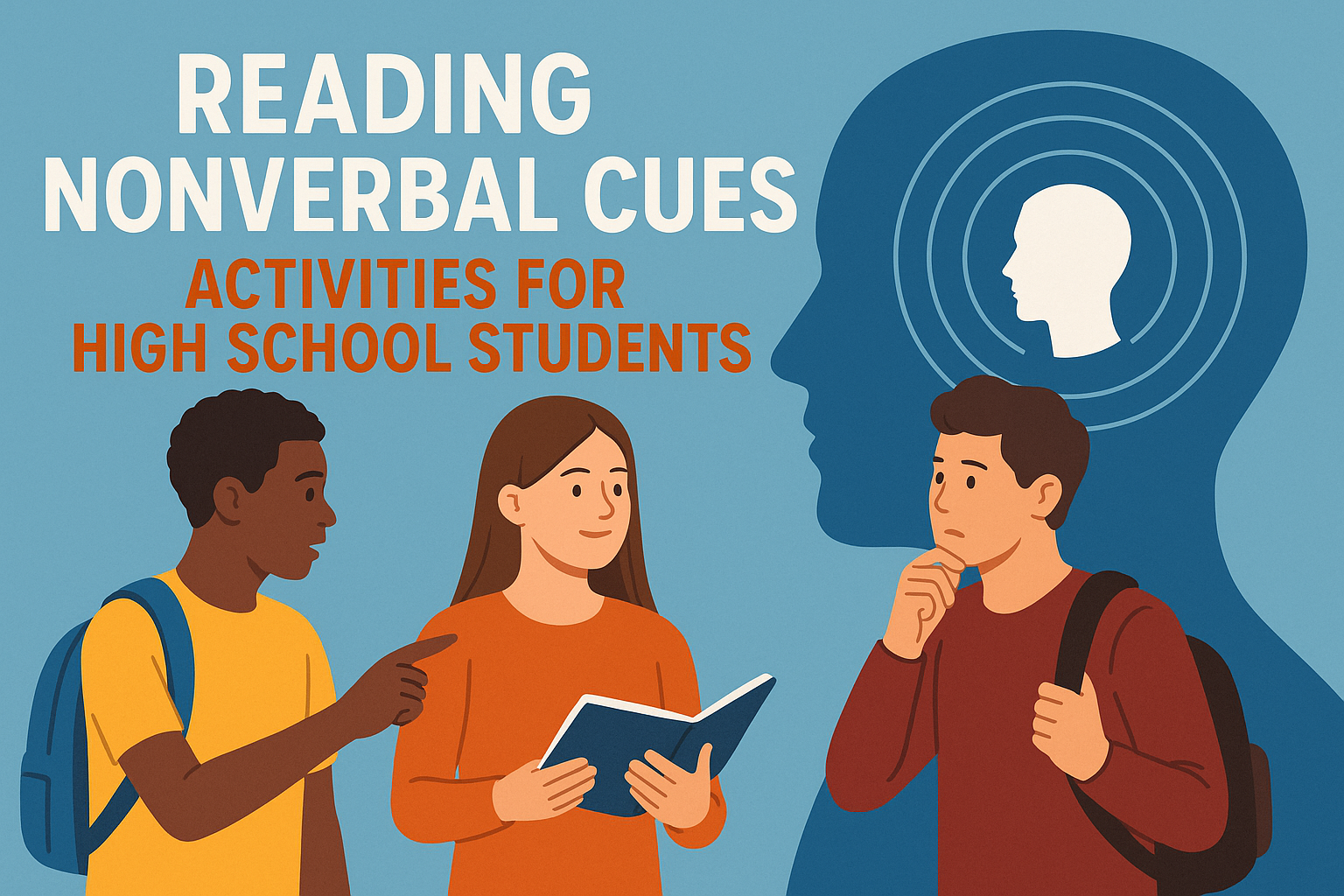
In the realm of communication, words are only one piece of the puzzle. Nonverbal communication – the unspoken gestures, facial expressions, and body language that add depth and meaning to our interactions – plays a crucial role in how we convey and interpret messages. For high school students, developing the ability to read nonverbal cues can enhance their social skills, improve academic performance, and prepare them for future professional environments. This article delves deep into nonverbal communication activities specifically designed for high school students, exploring their significance, practical applications, and stimulating exercises.
The Importance of Nonverbal Communication
Understanding nonverbal communication is essential, particularly for teenagers who are navigating the complex landscape of social interactions. According to experts, nonverbal cues can account for up to 93% of communication effectiveness, with body language making up 55% and tone of voice accounting for 38%. This statistic underscores the importance of teaching students to recognize and interpret these cues.
Nonverbal communication can express emotions that words may fail to articulate. A simple smile can convey warmth and friendliness, while crossed arms may signal defensiveness or discomfort. For high school students, developing these observational skills can lead to improved relationships with peers and educators. Recognizing nonverbal signals can also bolster conflict resolution skills, as understanding others’ emotions can facilitate smoother interactions.
Activities to Enhance Nonverbal Skills
Incorporating nonverbal communication activities into the curriculum can create a dynamic learning environment. Here are some engaging ideas to help students sharpen their ability to read and express nonverbal cues.
1. Charades with a Twist
This classic game is not only entertaining but also serves as a serious exercise in nonverbal communication. In this version of charades, students are divided into small groups. Each group receives a set of emotions or scenarios to act out without speaking. The twist? They must do so while accurately depicting the subtle cues related to the emotions they are portraying.
For example, acting out ‘nervousness’ might include pacing, fidgeting, or biting nails, while ‘excitement’ could involve wide eyes, jumping, and animated gestures. After each performance, the other groups discuss what cues they observed, fostering a deeper understanding of how different nonverbal signals relate to specific emotions.
2. Emotion Walk
This activity encourages students to explore the physicality of emotions. In a spacious area, students walk around while embodying a specific emotion, such as sadness, joy, or anger. The goal is to use their body language to communicate that emotion to their peers.
Once everyone has walked for a few minutes, students pair up and take turns guessing the emotion represented by their partner. This exercise not only allows them to practice expressing emotions nonverbally but also hones their observational skills, as they focus on the nuances of their peers’ body language. (See: effective communication strategies for youth.)
3. Nonverbal Interpretations
For this activity, students watch short clips from popular films or TV shows without sound. Their task is to analyze the actors’ facial expressions and body language to interpret the characters’ feelings and intentions. After watching, students can discuss their impressions and how they arrived at their conclusions.
This exercise emphasizes the importance of context in nonverbal communication. It also highlights how different cultures may interpret nonverbal cues differently. Following the discussion, teachers can introduce cultural variations in nonverbal communication to broaden students’ understanding.
Understanding Cultural Differences in Nonverbal Communication
One critical aspect of nonverbal communication is that it is not universal. Different cultures have unique nonverbal cues that may have varying meanings. For example, maintaining eye contact is a sign of confidence in many Western cultures, while in some Asian cultures, it may be seen as disrespectful.
Educators can facilitate discussions around cultural differences, encouraging students to consider how their own backgrounds influence their understanding of nonverbal cues. Activities such as role-playing can help students practice interpreting cues from diverse cultural perspectives, fostering empathy and awareness.
Practical Applications: Beyond the Classroom
While enhancing nonverbal communication skills is beneficial in school, it also has practical applications in students’ daily lives. When students learn to read and respond to nonverbal cues effectively, they become better communicators in various settings, including personal relationships, job interviews, and public speaking opportunities.
For instance, during job interviews, candidates must not only articulate their skills verbally but also convey confidence and engagement through their body language. Similarly, in personal relationships, being attuned to friends’ or family members’ nonverbal signals can help in identifying when someone is upset or needs support.
Assessing Progress and Development
To measure the effectiveness of nonverbal communication activities, educators should consider ongoing assessments. This might involve reflective journaling, where students document their experiences and insights gained from activities. Teachers can also facilitate group discussions to evaluate students’ confidence in employing nonverbal cues in their interactions.
Peer feedback can also be instrumental in assessing progress. After group activities, students can share what they learned about their classmates’ nonverbal communication styles and how they might refine their own. Additionally, tracking improvement over time can motivate students to engage more deeply with the subject matter.
Encouraging a Culture of Awareness
Creating an environment that values nonverbal communication can greatly enhance students’ overall educational experience. Educators can encourage ongoing discussions about body language and nonverbal cues throughout the school year. Incorporating these discussions into various subjects, such as literature and history, can illustrate the relevance of nonverbal communication across different contexts. (See: nonverbal communication in education.)
Moreover, teachers can model effective nonverbal communication themselves. By demonstrating positive body language, active listening, and appropriate eye contact, educators can set an example for students to emulate. This modeling not only reinforces the importance of nonverbal communication but also fosters a more supportive and communicative classroom atmosphere.
Integrating Technology into Nonverbal Communication Activities
In today’s digital age, technology can play a significant role in enhancing nonverbal communication skills. Educators can use video conferencing tools for students to practice their nonverbal communication in virtual settings. For example, students can engage in online role-playing scenarios where they must rely on their body language and facial expressions to convey meaning while remaining silent. Related reading: cultural communication insights.
Moreover, educational apps can facilitate skill development by allowing students to watch recorded interactions and provide feedback on nonverbal cues. This not only offers a modern twist on traditional activities but also prepares students for the increasingly digital nature of professional environments.
Statistics and Research Supporting Nonverbal Communication Training
Research shows that nonverbal communication significantly impacts personal and professional success. A study published in the Journal of Applied Psychology found that candidates who exhibited strong nonverbal communication skills were 80% more likely to be hired during job interviews compared to those who did not. Such statistics highlight the necessity of integrating nonverbal communication activities into high school curricula.
Furthermore, the American Psychological Association has indicated that individuals who understand and effectively utilize nonverbal signals tend to have higher emotional intelligence (EI). This is particularly crucial for high school students, as better EI correlates with improved academic performance and stronger interpersonal relationships.
FAQs: Nonverbal Communication Activities
What are some examples of nonverbal communication activities for high school students?
Some engaging nonverbal communication activities include charades, emotion walks, and watching silent film clips for emotional interpretation. These activities encourage students to express and interpret emotions without relying on words.
Why is it important for high school students to learn nonverbal communication?
Learning nonverbal communication is crucial for high school students as it enhances their ability to connect with peers, improves their academic performance, and prepares them for future professional interactions. It helps students develop empathy and emotional intelligence, which are vital life skills.
How can nonverbal communication skills benefit students in their future careers?
Nonverbal communication skills can significantly enhance students’ employability. Strong body language, confident eye contact, and appropriate facial expressions can make a positive impression during job interviews and networking events. Additionally, these skills foster better teamwork and collaboration in workplace settings.
Can nonverbal communication vary across cultures?
Absolutely! Nonverbal communication is deeply influenced by cultural contexts. For instance, gestures that are friendly in one culture may be considered offensive in another. Understanding these differences is essential for effective cross-cultural communication.
What role does emotional intelligence play in nonverbal communication?
Emotional intelligence (EI) is integral to nonverbal communication. Individuals with high EI are better at recognizing their own emotions and those of others, which enhances their ability to communicate effectively without words. They can read the room and adjust their behavior accordingly, making them more effective in both personal and professional settings.
How can teachers effectively incorporate nonverbal communication activities into their lesson plans?
Teachers can integrate nonverbal communication activities by incorporating them into existing subjects. For example, drama classes can focus on body language, while social studies can explore cultural variations in nonverbal cues. Creating interdisciplinary projects that require students to analyze and present nonverbal communication examples can also make learning more engaging and relevant.
The Lasting Impact of Nonverbal Communication Skills
As high school students prepare for their future, the ability to understand and utilize nonverbal communication is essential. Through engaging nonverbal communication activities, students can develop crucial skills that will aid them in personal and professional interactions. By emphasizing the importance of nonverbal cues, educators can empower students to become more effective communicators, enhancing their social skills and emotional intelligence.
Ultimately, investing in nonverbal communication education contributes to the holistic development of students, equipping them with tools that will last a lifetime. As they learn to read and respond to nonverbal cues, they not only improve their own communication skills but also foster deeper connections with those around them, paving the way for a more empathetic and understanding world.
“`
Trending Now
Frequently Asked Questions
What are nonverbal communication activities for high school students?
Nonverbal communication activities for high school students include games like charades, role-playing scenarios, and observation exercises. These activities help students recognize and interpret gestures, facial expressions, and body language, enhancing their social skills and emotional intelligence.
Why is nonverbal communication important for teenagers?
Nonverbal communication is crucial for teenagers as it helps them navigate social interactions effectively. It accounts for up to 93% of communication effectiveness, allowing students to express emotions and understand others better, which can improve relationships and conflict resolution skills.
How can students improve their nonverbal communication skills?
Students can improve their nonverbal communication skills through engaging activities like charades, observation tasks, and group discussions. These exercises encourage them to pay attention to body language and facial expressions, fostering better understanding and expression of nonverbal cues. (effective icebreaker activities)
What role does body language play in communication?
Body language plays a significant role in communication, accounting for 55% of the message conveyed. It includes gestures, posture, and facial expressions, which can significantly influence how messages are interpreted and received, making it vital for effective communication.
How can nonverbal cues affect academic performance?
Nonverbal cues can positively affect academic performance by enhancing classroom interactions and relationships between students and teachers. Understanding these cues helps students engage more effectively, leading to better collaboration, participation, and overall learning outcomes.
Have you experienced this yourself? We’d love to hear your story in the comments.



