In the ever-evolving landscape of K-12 education, students face a myriad of challenges that can significantly impact their learning journey. A recent report sheds light on these obstacles and offers innovative strategies to overcome them, paving the way for a brighter educational future.
The Hurdles in the Learning Path
The COVID-19 pandemic has exacerbated existing challenges and introduced new ones. Remote learning, while necessary, has created significant learning gaps for many students. The lack of face-to-face interaction has led to decreased engagement and motivation. Moreover, the digital divide has become more apparent than ever, with some students struggling to access online resources.
Mental health issues have also surged, with many students experiencing anxiety and depression due to isolation and uncertainty. These emotional challenges have a direct impact on academic performance and overall well-being.
Innovative Strategies for Success
Despite these hurdles, educators and policymakers are developing effective strategies to support student learning:
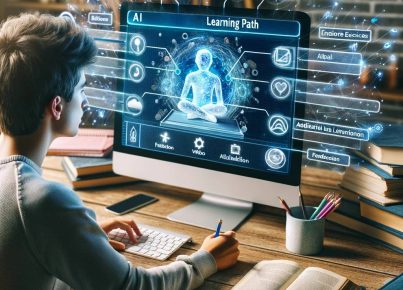
1.Personalized Learning: Tailoring education to individual student needs has shown promising results. By leveraging data and technology, teachers can create customized learning paths that address specific gaps and build on strengths.
2.Technology Integration: While technology posed challenges during remote learning, it also offers solutions. Interactive learning platforms, virtual reality experiences, and AI-powered tutoring systems are revolutionizing the way students engage with content.
3.Social-Emotional Support: Recognizing the importance of mental health, schools are implementing programs to foster emotional intelligence and resilience. These initiatives help students manage stress and develop crucial life skills.
4.Collaborative Learning: Encouraging peer-to-peer interaction through group projects and online forums helps combat isolation and promotes critical thinking skills.
5.Flexible Assessment Methods: Moving away from traditional testing, schools are adopting diverse assessment techniques that better reflect real-world problem-solving skills.
As we navigate these challenges, it’s crucial for educators, parents, and policymakers to work together in implementing these strategies. By doing so, we can ensure that every student has the opportunity to thrive, regardless of the obstacles they face.