

“`html
In an increasingly multicultural society, it’s essential to provide equitable education to all students, especially those who are learning English as a second language. Scaffolding techniques for English language learners (ELLs) in elementary school play a crucial role in helping these students grasp not only language skills but also content knowledge across various subjects. This article explores effective scaffolding strategies that can enhance the learning experience for ELLs, ensuring they thrive in their educational environment.
Understanding Scaffolding in Education
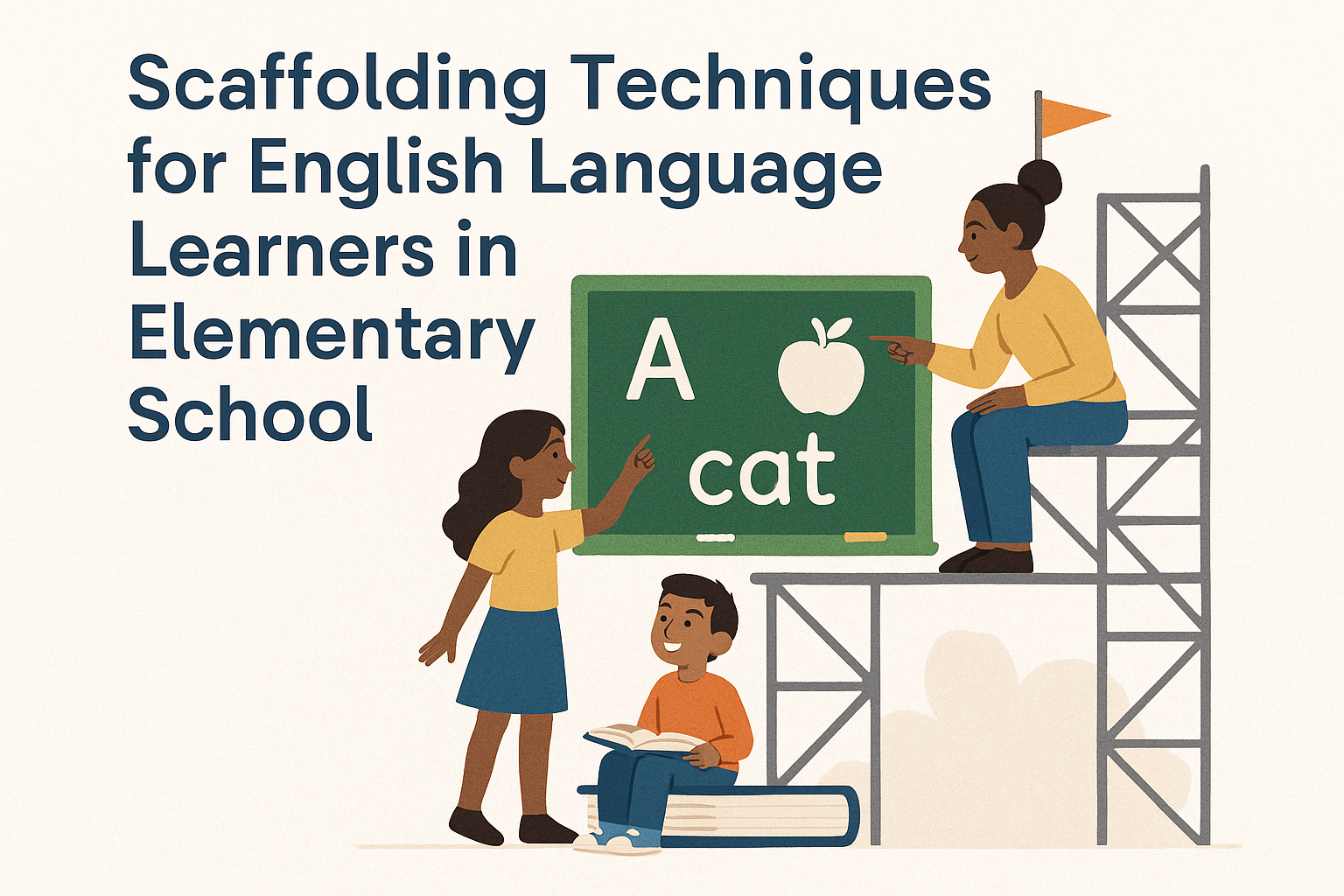
Scaffolding is an instructional approach designed to provide support to students as they acquire new skills and concepts. The term draws an analogy to physical scaffolding used in construction; just as scaffolding supports workers in building or repairing structures, educational scaffolding supports learners in constructing their understanding.
In the context of ELLs, scaffolding techniques help bridge the gap between a student’s current level of understanding and the desired learning outcomes. This approach recognizes that ELLs often face unique challenges, including limited proficiency in English, cultural differences, and varying educational backgrounds. By implementing scaffolding techniques, teachers can create a more inclusive and effective learning environment.
The Importance of Scaffolding for English Language Learners
Scaffolding is especially significant for ELLs for several reasons:
- Language Acquisition: Scaffolding techniques encourage language development through structured support, making it easier for ELLs to learn new vocabulary and grammatical structures.
- Cultural Relevance: These strategies can incorporate culturally relevant materials and contexts, helping students feel more connected to the content and motivated to learn.
- Confidence Building: By breaking down complex tasks into manageable parts, scaffolding helps reduce anxiety and build confidence in ELLs, making them more willing to participate in classroom activities.
- Differentiated Learning: Scaffolding allows teachers to tailor instruction to meet the diverse needs of ELLs, accommodating varying levels of language proficiency and prior knowledge.
Given these benefits, it’s clear that effective scaffolding techniques are vital for facilitating the success of English language learners in elementary education.
1. Visual Supports
One of the most effective scaffolding techniques for English language learners is the use of visual supports. Visual aids can include pictures, diagrams, charts, and videos that complement verbal instruction. These tools help ELLs better understand complex language and concepts.
For example, during a science lesson on ecosystems, a teacher might use images of different habitats alongside vocabulary words like “forest,” “desert,” and “ocean.” Not only does this reinforce vocabulary; it also provides a context for the terms, making them more relatable and easier to remember. Furthermore, visual supports cater to various learning styles and can significantly enhance comprehension for all students, not just ELLs.
2. Interactive Activities
Engaging students through interactive activities is another powerful scaffolding technique. Activities that involve hands-on learning can help ELLs practice language in context. Group work, role-playing, and educational games can create a dynamic classroom environment that promotes language use and social interaction.
For example, a teacher might organize a role-play exercise based on a story they have read together. Students can take on different characters and act out scenes, which not only helps with language practice but also improves comprehension and retention. These activities encourage ELLs to use their emerging language skills in a supportive setting where they can learn from their peers. (See: U.S. Department of Education on English Learners.)
3. Think-Pair-Share Technique
The Think-Pair-Share technique is an effective strategy for fostering discussion and collaboration among students. It encourages ELLs to think critically about a topic, articulate their thoughts, and hear from their peers, all while using language in a meaningful way.
In practice, the teacher poses a question or problem, allowing students a moment to think about their response individually. Then, they pair up with a classmate to discuss their ideas before sharing with the larger group. This approach not only promotes language use but also builds confidence in students who might be hesitant to speak in front of the whole class.
4. Explicit Instruction
Explicit instruction involves teaching specific skills or concepts directly, often through modeling and demonstration. For ELLs, explicit instruction can be crucial for understanding new language structures and content knowledge. Teachers can break down complex tasks into clear, manageable steps.
For instance, when teaching writing, a teacher might model how to construct a paragraph by first discussing its elements (topic sentence, supporting details, and conclusion) before guiding students through writing one together. This step-by-step approach helps ELLs grasp the writing process, making it less intimidating and more accessible.
5. Graphic Organizers
Graphic organizers are visual representations of information that help students organize their thoughts and understand relationships between concepts. For ELLs, these tools can simplify complex information and assist in language processing.
For example, during a reading lesson, a teacher might use a Venn diagram to compare and contrast two characters from a story. By visually mapping out similarities and differences, ELLs can better understand the characters’ traits while practicing their language skills. Graphic organizers can also support ELLs in planning their writing, enhancing their overall academic performance.
6. Cooperative Learning
Cooperative learning involves students working together in small groups to achieve a common goal. This technique allows ELLs to collaborate with peers, engage in language practice, and learn from one another in a supportive environment.
For instance, in a science project, students might be assigned to groups where they research a topic and create a presentation. Each member can take on a specific role, allowing them to contribute according to their strengths while practicing language skills throughout the process. This collaborative approach promotes teamwork, communication, and cultural exchange, all of which are essential for ELLs.
7. Regular Feedback and Assessment
Providing regular feedback is vital in helping ELLs understand their progress and areas for improvement. Teachers can use informal assessments, such as observations or quick quizzes, to monitor language development and adjust instruction accordingly.
Feedback should be constructive, focusing on both language use and content understanding. For example, a teacher might highlight a student’s effective use of vocabulary in a writing assignment while also suggesting ways to improve sentence structure. This balanced feedback approach encourages ELLs to take risks with their language use and fosters a growth mindset. (See: National Institute of Child Health on teaching strategies.)
Current Relevance of Scaffolding Techniques
As classrooms become increasingly diverse, the need for effective scaffolding techniques for English language learners is more critical than ever. With the rise of remote learning and digital education tools, educators have new opportunities to implement scaffolding strategies that cater to ELLs. Technology can enhance these techniques through interactive platforms, multimedia resources, and virtual collaboration tools.
Furthermore, as the global landscape continues to change, understanding and addressing the needs of ELLs can lead to better educational outcomes not just for these students but for all learners. By fostering an inclusive environment, teachers can contribute to the development of a more equitable education system.
8. Culturally Responsive Teaching
Incorporating culturally responsive teaching practices as a scaffolding technique can foster a deeper connection between ELLs and the curriculum. This involves recognizing the cultural backgrounds of students and integrating their experiences into instructional strategies. When educators validate and build upon the cultural identities of their ELLs, they create a more engaging and relevant learning experience.
For instance, if a teacher is discussing community and family structures, they can encourage students to share their own family stories and traditions. This not only enriches the lesson but also allows ELLs to express themselves in their native languages, which can then be transitioned into English discussions. This technique fosters a sense of belonging and encourages ELLs to actively participate in their learning process.
9. Use of Technology
Technology can serve as a powerful scaffolding tool for ELLs. Various digital platforms and apps are designed to support language learning and can offer personalized practice opportunities. For example, applications like Duolingo and Rosetta Stone provide interactive exercises that adapt to the learner’s level, helping them build vocabulary and grammar skills outside the classroom.
Additionally, incorporating tools like Google Translate can assist ELLs when they encounter difficult vocabulary or phrases. This immediate support can help bridge gaps in understanding while they are still developing their language skills, allowing them to participate more fully in classroom activities.
10. A Multi-Sensory Approach
A multi-sensory approach to teaching can greatly benefit ELLs by engaging different senses in the learning process. This could involve combining visual, auditory, and kinesthetic activities. For example, when learning new vocabulary, a teacher might introduce words through songs, gestures, and physical activities that represent the word’s meaning.
Research has shown that multi-sensory learning can enhance memory retention and understanding. For ELLs, utilizing this approach can make learning more enjoyable and effective, as it caters to various learning preferences and helps solidify language concepts through different modalities. (See: Research on scaffolding techniques in education.)
FAQs About Scaffolding Techniques for English Language Learners
What are some common scaffolding techniques for ELLs?
Common scaffolding techniques include visual supports, interactive activities, think-pair-share, explicit instruction, graphic organizers, cooperative learning, and regular feedback and assessment. Each technique serves to support ELLs in different ways, accommodating their unique learning needs.
How can teachers assess the effectiveness of scaffolding techniques?
Teachers can assess the effectiveness of scaffolding techniques through various methods, such as observing student engagement, monitoring language development, and analyzing student work samples. Regular check-ins and feedback sessions can help inform teachers about what works and what may need adjustments.
Why is cultural relevance important in scaffolding for ELLs?
Cultural relevance is important because it helps ELLs relate to the content being taught. When students see their cultures reflected in the curriculum, they are more likely to feel engaged and motivated to learn. This connection can enhance their language acquisition as they are able to draw from their own experiences.
How can technology be used effectively for scaffolding ELLs?
Technology can be utilized through interactive language-learning apps, online resources, and multimedia presentations. By offering diverse methods for practicing language skills, teachers can cater to different learning styles and provide additional support when necessary.
What role do peers play in scaffolding for ELLs?
Peers play a crucial role in scaffolding for ELLs by providing language support and modeling language use in social contexts. Collaborative activities and group work encourage ELLs to practice their language skills in a less intimidating environment, fostering both linguistic and social development.
Conclusion
Scaffolding techniques for English language learners are essential for helping these students navigate the complexities of language acquisition and content learning. By incorporating strategies such as visual supports, interactive activities, and explicit instruction, educators can create a supportive and effective learning environment. As we strive for educational equity, it’s crucial to remain informed about the best practices for ELLs, ensuring that every student has the opportunity to succeed.
“`
Trending Now
- Join Nooro as an iOS Developer:…
- 12 Engaging Emotional Intelligence Activities for Kids to Foster Growth
- this guide on 7 essential emotional intelligence skills every high school student needs before college
- 7 Essential Strategies for Boosting Emotional Intelligence in Preschoolers
- read the full story
Frequently Asked Questions
What are scaffolding techniques for English language learners?
Scaffolding techniques for English language learners (ELLs) are instructional strategies that provide structured support to help students acquire new language skills and content knowledge. These techniques bridge the gap between a student's current understanding and desired learning outcomes, making learning more accessible and effective.
Why is scaffolding important for ELLs?
Scaffolding is crucial for ELLs as it supports language acquisition, incorporates culturally relevant materials, and builds student confidence. By breaking down complex tasks, scaffolding reduces anxiety and helps ELLs grasp new concepts more easily, fostering a more inclusive learning environment.
How can teachers implement scaffolding for ELLs?
Teachers can implement scaffolding for ELLs by using techniques such as modeling, providing visual aids, breaking tasks into smaller steps, and incorporating collaborative learning. These methods help ELLs engage with the material, understand new vocabulary, and develop their language skills effectively.
What are some examples of scaffolding strategies?
Examples of scaffolding strategies include using graphic organizers, providing sentence starters, offering bilingual resources, and encouraging peer support. These strategies help ELLs connect with the content and enhance their comprehension while fostering language development.
How does cultural relevance play a role in scaffolding?
Cultural relevance in scaffolding involves using materials and contexts that resonate with ELLs' backgrounds. By incorporating culturally relevant content, educators can increase student engagement and motivation, making learning more meaningful and accessible for diverse learners.
What did we miss? Let us know in the comments and join the conversation.



