
“`html
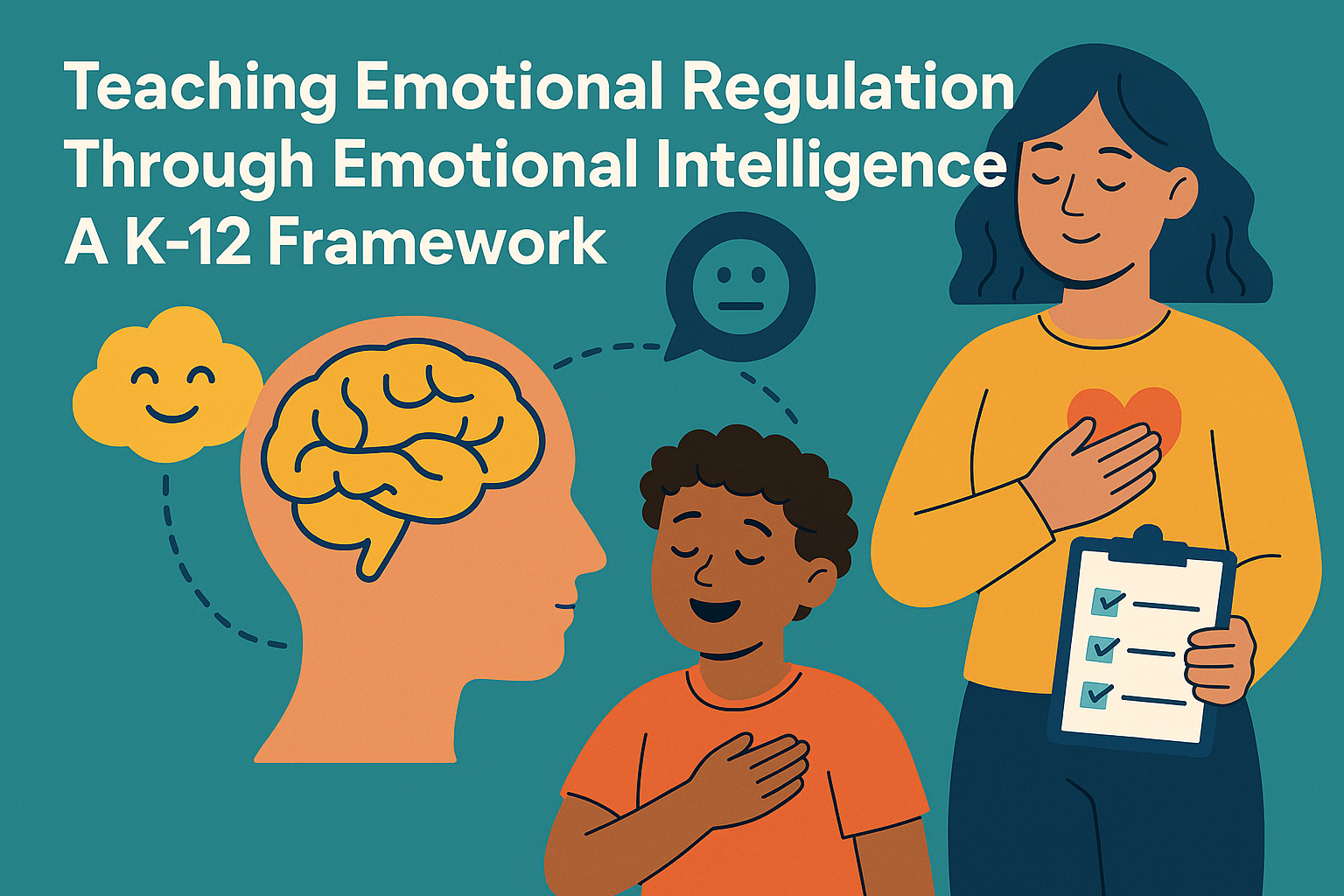
The conversation around emotional intelligence in education has gained significant traction in recent years. With increasing awareness of the importance of emotional regulation, educators are exploring ways to integrate emotional intelligence into K-12 curricula effectively. This article delves into the framework for teaching emotional regulation through emotional intelligence, exploring its background, key insights, practical applications, and current relevance in today’s educational landscape.
The Importance of Emotional Intelligence in Education
Emotional intelligence (EI) refers to the ability to recognize, understand, and manage our own emotions while also being able to recognize and influence the emotions of others. It plays a vital role in personal and academic success. A well-rounded education should include not just cognitive skills but also social and emotional skills that help students navigate complex interpersonal relationships.
Research indicates that students with higher emotional intelligence tend to perform better academically, have stronger relationships, and exhibit better overall mental health. By integrating emotional intelligence in education, schools can foster an environment that supports holistic development, equipping students not just with knowledge but the skills they need to thrive in life.
Understanding the Science Behind Emotional Intelligence
To appreciate the role of emotional intelligence in education, it’s essential to explore the science behind it. Studies suggest that emotional intelligence is a significant predictor of success, often more so than traditional IQ. According to a report in the journal “Personality and Individual Differences,” individuals with higher emotional intelligence exhibit greater adaptability and resilience, traits that are invaluable in academic and social settings.
Moreover, emotional intelligence can be developed and improved over time. Programs designed to enhance EI can lead to better communication skills, improved conflict resolution abilities, and a greater capacity for empathy. This is particularly important in educational settings, where students are often required to collaborate and interact with diverse groups.
The Framework for Teaching Emotional Regulation
Creating a framework for teaching emotional regulation through emotional intelligence involves several key components. This includes understanding what emotional regulation looks like, the stages of emotional intelligence, and the specific strategies educators can use to teach these skills effectively.
1. **Understanding Emotional Regulation**: Emotional regulation is the ability to monitor, evaluate, and modify emotional reactions to achieve desired goals. It can take many forms, from recognizing when one is feeling overwhelmed to employing coping strategies that help manage anxiety or frustration.
2. **Stages of Emotional Intelligence**: Daniel Goleman’s model of emotional intelligence outlines five components: self-awareness, self-regulation, motivation, empathy, and social skills. Each of these elements plays a crucial role in helping students develop the ability to manage their emotions and understand the emotions of others.
Building Emotional Intelligence Through Classroom Strategies
To implement a framework for emotional intelligence in education, teachers can adopt various strategies and methods.
1. **Modeling Emotional Behaviors**: Teachers can lead by example. By openly discussing their own emotions and how they manage them, educators provide a living example for students. For instance, when faced with a challenge, a teacher might say, “I’m feeling a bit frustrated right now, but I know I can take a deep breath and approach this differently.” This simple act of modeling can demystify emotional struggles and demonstrate healthy coping mechanisms. (See: Emotional regulation and youth health.)
2. **Incorporating Emotional Check-Ins**: Regular emotional check-ins can help students articulate their feelings. This can be as simple as asking students to rate their mood on a scale from one to ten or using visual aids like a feelings chart. Such practices encourage students to acknowledge their emotions and promote an atmosphere where discussing feelings is normalized.
3. **Creating a Safe Space**: Establishing a classroom environment that prioritizes emotional safety is crucial. This includes promoting respect, encouraging open dialogue, and ensuring that all students feel valued. When students feel safe, they are more likely to express their emotions and practice emotional regulation.
Curricular Integration of Emotional Intelligence
Integrating emotional intelligence into existing curricula can enhance its impact. Here are some ways to do so:
1. **Literature and Storytelling**: Teaching literature that explores emotional themes can facilitate discussions about emotional intelligence. For instance, novels that delve into characters’ emotional struggles can serve as a springboard for class discussions on empathy and self-regulation.
2. **Role-Playing Activities**: Engaging students in role-playing scenarios can help them practice emotional regulation in a safe environment. By acting out different emotional situations, students can learn to identify emotions and develop strategies for managing them effectively.
3. **Service Learning Projects**: Service learning not only benefits the community but also fosters empathy and social skills among students. By engaging in community service, students have the opportunity to work with diverse populations, enhancing their understanding of different emotional experiences.
Assessing Emotional Intelligence in Education
Assessment is a critical component of integrating emotional intelligence into education. Educators can utilize various methods to assess their students’ emotional intelligence and emotional regulation skills:
- Self-Reports and Reflections: Students can fill out self-report questionnaires to evaluate their emotional intelligence. Encouraging reflections on their emotional responses in different situations can also provide valuable insight.
- Peer Feedback: Allowing students to provide feedback to one another can enhance their understanding of social dynamics and emotional awareness.
- Teacher Observations: Educators can keep track of students’ emotional responses and regulation strategies in various classroom settings and note improvements over time.
By employing a mix of these assessment strategies, educators can gauge how well students are developing their emotional intelligence, making it easier to adjust instruction and support as needed.
The Current Relevance of Emotional Intelligence in Education
In light of recent global events, the need for emotional intelligence in education has never been more pressing. The COVID-19 pandemic, for example, has highlighted the emotional struggles that many students face, including anxiety, isolation, and uncertainty. Schools are increasingly recognizing the value of emotional intelligence as a foundational element of a resilient, adaptable student.
Moreover, with the rise of technology and social media, students are navigating new emotional terrains that can be overwhelming. Equipping them with emotional intelligence helps them manage online interactions and develop healthy relationships, both in-person and digitally.
Challenges in Implementing Emotional Intelligence Education
While the benefits of emotional intelligence in education are clear, implementing it effectively in schools can pose challenges. Educators may face resistance due to traditional teaching methods that prioritize academic performance over emotional development. There’s also the issue of teacher training; many educators may not feel adequately prepared to teach emotional intelligence, leading to inconsistent implementation in classrooms. (See: Research on emotional intelligence benefits.)
Time constraints within the school day can limit the opportunities to integrate emotional intelligence practices fully. With a packed curriculum, teachers may struggle to incorporate emotional learning alongside academic subjects. This challenge can be alleviated by incorporating emotional intelligence into existing lessons, making it a seamless part of the educational experience rather than a separate entity.
Success Stories and Case Studies
Several schools around the world have successfully integrated emotional intelligence into their curricula, demonstrating the positive impact it can have on student outcomes. For instance, the Collaborative for Academic, Social, and Emotional Learning (CASEL) shares numerous case studies showcasing schools that have adopted social-emotional learning (SEL) programs with significant results. Schools implementing SEL reported improved student behaviors, higher academic performance, and enhanced emotional well-being.
One notable example is the San Francisco Unified School District, which has implemented an emotional intelligence curriculum across various grade levels. Their focus on teaching emotional regulation through interactive activities has led to a marked decrease in behavioral issues and an increase in students’ overall engagement in school. These success stories highlight the potential for emotional intelligence initiatives to transform the educational landscape.
Expert Perspectives on Emotional Intelligence in Education
Experts in the field agree on the importance of emotional intelligence in education. Dr. Marc Brackett, a noted psychologist and director of the Yale Center for Emotional Intelligence, emphasizes that emotional intelligence skills can be taught and learned, much like academic skills. He argues that making emotional intelligence part of education can lead to healthier, more productive school environments.
Additionally, Dr. Daniel Goleman, who popularized the concept of emotional intelligence, notes that EI is crucial for effective leadership and collaboration, skills that are essential for success in today’s workforce. His perspective reinforces the idea that emotional intelligence not only enriches personal lives but also prepares students for future professional environments.
Frequently Asked Questions (FAQ)
What is emotional intelligence?
Emotional intelligence refers to the ability to recognize, understand, manage, and influence one’s own emotions and the emotions of others. It’s a skill set that includes self-awareness, self-regulation, motivation, empathy, and social skills.
Why is emotional intelligence important for students?
Emotional intelligence is crucial for students because it helps them navigate social complexities, build relationships, handle stress, and make decisions. Students with high emotional intelligence tend to perform better academically and socially.
How can schools integrate emotional intelligence into their curricula?
Schools can integrate emotional intelligence through various methods, such as incorporating literature that explores emotional themes, role-playing exercises, and service learning projects. Regular emotional check-ins and creating a safe classroom environment are also effective strategies.
What are the challenges in implementing emotional intelligence education?
Challenges include resistance from traditional educational methods, lack of teacher training, and time constraints within the school day. Overcoming these challenges requires a commitment to prioritizing emotional intelligence in educational frameworks.
Are there proven benefits to teaching emotional intelligence in schools?
Yes, numerous studies have shown that teaching emotional intelligence can lead to improved academic performance, better student behavior, and enhanced emotional well-being. Schools that implement emotional intelligence initiatives often see significant positive outcomes.
Emerging Trends in Emotional Intelligence Education
With the ongoing evolution of educational practices, new trends are emerging that further emphasize the role of emotional intelligence in learning. For instance, mindfulness practices are being integrated into classrooms. Techniques such as meditation or breathing exercises help students become more self-aware and better at managing their emotions. Research has shown that mindfulness can reduce stress and increase attention span, making it a complementary approach to teaching emotional intelligence.
Another trend is the focus on culturally responsive teaching, which acknowledges the diverse emotional experiences of students from different backgrounds. Educators are encouraged to understand their students’ cultural contexts, which can influence emotional expression and regulation. By being culturally aware, teachers can create more inclusive environments that resonate with all students.
Future Directions for Emotional Intelligence in Education
The future of emotional intelligence in education looks promising as more schools recognize its value. As educational technology continues to advance, digital tools that promote emotional learning are becoming available. Apps and online platforms that focus on social-emotional learning can provide personalized strategies for students to enhance their emotional intelligence. Schools may start incorporating these digital tools into their curricula, offering another avenue for students to develop these essential skills.
Furthermore, as more organizations and educational institutions advocate for social-emotional learning, policymakers are likely to respond by allocating more resources toward emotional intelligence training for teachers and supportive programs for students. This shift could lead to more widespread acceptance of emotional intelligence as a critical component of a comprehensive education.
Conclusion: A Bright Future for Emotional Intelligence in Education
Teaching emotional regulation through emotional intelligence is not merely an educational trend; it is a necessity for preparing students for the complexities of life. By embedding emotional intelligence into K-12 education, we empower students to become not just knowledgeable individuals but emotionally aware citizens ready to contribute positively to society.
As research continues to back the benefits of emotional intelligence in education, it’s crucial for schools to adopt structured frameworks that promote these skills. By implementing practical strategies and fostering an environment that values emotional growth, educators can unlock the full potential of their students, paving the way for a brighter, more emotionally intelligent future.
“`
Trending Now
Frequently Asked Questions
What is emotional intelligence in education?
Emotional intelligence in education refers to the ability to recognize, understand, and manage emotions, both in oneself and in others. It plays a crucial role in personal and academic success, helping students navigate interpersonal relationships and fostering holistic development.
How does emotional regulation benefit students?
Emotional regulation benefits students by improving their academic performance, enhancing relationships, and promoting better mental health. Students with strong emotional regulation skills are more resilient and adaptable, which are essential traits for success in both academic and social settings.
Can emotional intelligence be taught in schools?
Yes, emotional intelligence can be taught in schools. Programs designed to enhance emotional intelligence can significantly improve students' abilities to manage emotions, leading to better academic outcomes and interpersonal skills. Integrating these programs into K-12 curricula supports holistic student development.
What role does emotional intelligence play in academic success?
Emotional intelligence plays a significant role in academic success by enabling students to manage stress, collaborate with peers, and navigate challenges effectively. Research shows that students with higher emotional intelligence often outperform their peers academically.
Why is emotional intelligence important for teachers?
Emotional intelligence is important for teachers as it enhances their ability to connect with students, manage classroom dynamics, and create a supportive learning environment. Teachers with high emotional intelligence can better influence and guide students in developing their own emotional skills.
Have you experienced this yourself? We’d love to hear your story in the comments.