
Introduction
Wellington College, a prestigious independent school in England, has been embracing a unique and holistic approach towards education. In recent years, the institution has pioneered the introduction of happiness and well-being into its curriculum. The school believes that by teaching happiness and cultivating an atmosphere of emotional well-being, students graduate as well-rounded individuals with a greater sense of purpose and fulfillment.
The Roots of Teaching Happiness
The idea of teaching happiness at Wellington College stems from the concept of “positive education” – a movement that was first coined by Dr. Martin Seligman. As the father of positive psychology, Seligman posits that education should not only focus on academic achievement but also on creating flourishing individuals. He argues that schools need to teach students how to lead happier, more fulfilling lives and develop coping skills to overcome life’s challenges.
Implementing Positive Education at Wellington College
Wellington College has made it their mission to integrate positive education principles into every aspect of school life. Here are some ways they bring happiness into their teaching:
1. Happiness and well-being lessons: Students take part in weekly classes that teach them about emotional intelligence, mindfulness, character strengths, growth mindset, and resilience. These lessons equip them with the necessary tools to prioritize their mental health and develop the ability to deal with stress effectively.
2. Mentorship programs: Each student is assigned a personal tutor who guides them through their academic journey and also acts as a mentor focusing on their personal growth. This one-on-one support helps young people navigate issues related to self-esteem, motivation, relationships, and character development.
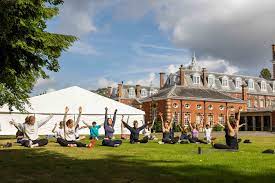
3. Workshops and seminars: Wellington College regularly hosts workshops on mindfulness meditation, stress reduction techniques, and maintaining healthy habits for optimal well-being.
4. A focus on gratitude: Students are encouraged to reflect on what they are grateful for each day as an essential component of mental well-being. Gratitude journals and gratitude assemblies are introduced to make this an integral part of the school culture.
5. Foster a sense of community: Wellington College emphasizes the importance of strong relationships, both among students and between students and faculty. Regular team-building activities, group projects, and social events help build these connections, nurturing a sense of belonging and concern for others.
The Impact of Teaching Happiness
The progressive approach of teaching happiness at Wellington College has produced remarkable results. Students and alumni report that they’re not only more skilled academically but also have improved interpersonal relationships due to the cultivation of empathy, kindness, and gratitude.
Furthermore, many students attest to facing life’s challenges with greater confidence through the emotional resilience and coping mechanisms taught in these happiness classes. Research studies have also linked positive education principles to higher academic performance, stronger personal character, and better problem-solving abilities.
Conclusion
Wellington College’s approach to teaching happiness demonstrates the essential value of incorporating emotional well-being into education. This method prepares students not just for academic success but also for leading meaningful lives filled with purpose, satisfaction, and resilience. As an evolving educational paradigm, other institutions may well be inspired by Wellington College’s commitment to fostering happiness within their curriculum, nurturing well-rounded individuals better equipped to thrive in today’s complex world.