
“`html
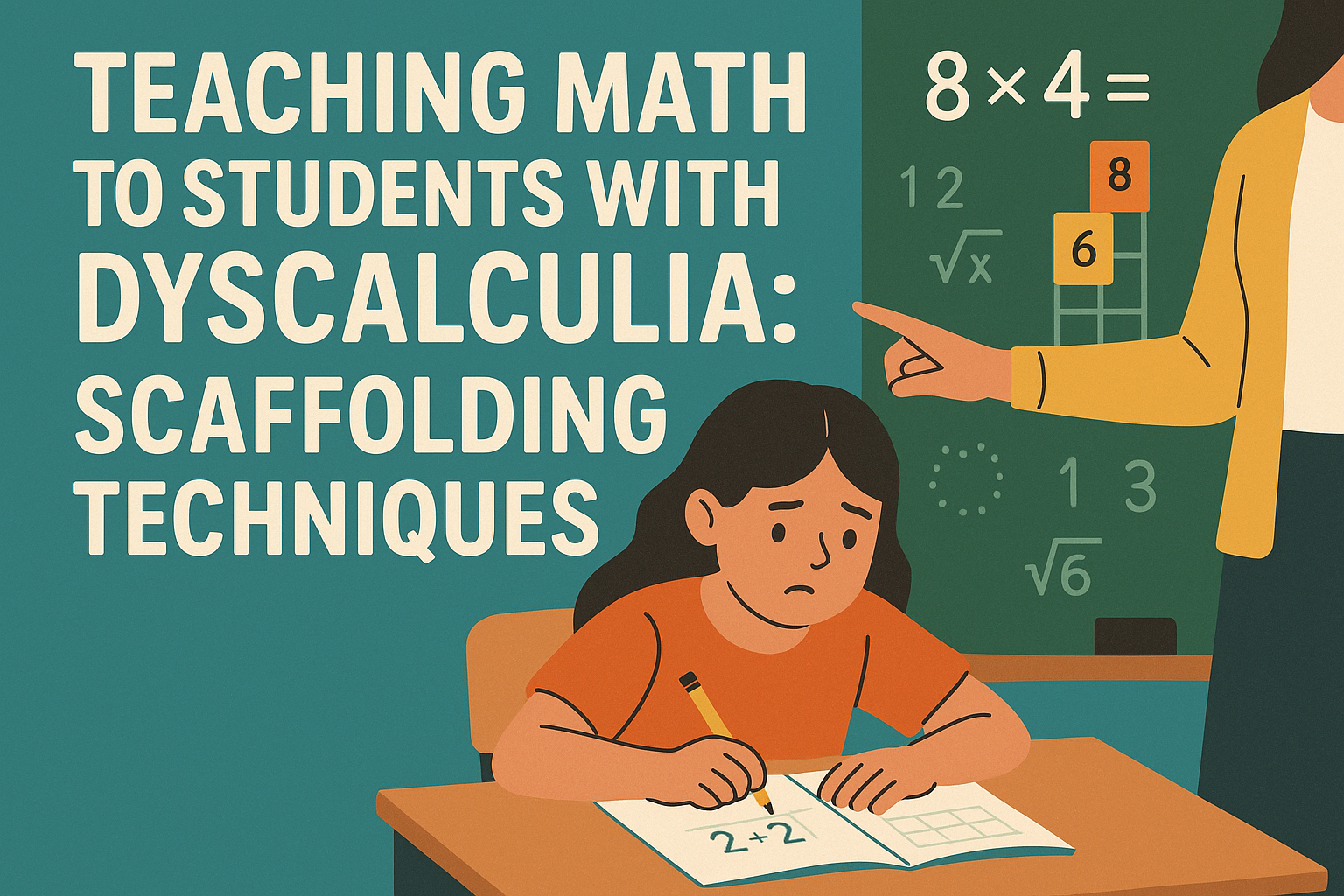
For many students, math can be a challenging subject, but for those with dyscalculia, these challenges can feel insurmountable. Dyscalculia is a learning difference that affects a person’s ability to understand numbers, perform calculations, and grasp mathematical concepts. While traditional teaching methods might not resonate with these learners, various scaffolding techniques can provide the necessary support for students to find success in mathematics. In this article, we explore effective dyscalculia teaching strategies that can transform how educators approach math instruction and make a lasting impact on students’ learning experiences.
Understanding Dyscalculia
Dyscalculia, often compared to dyslexia, is characterized by difficulties in number sense, calculation, and mathematical reasoning. According to recent studies, it affects approximately 5-7% of the population, yet it remains one of the lesser-known learning disabilities. Symptoms can manifest in various ways, including trouble with number recognition, difficulty in memorizing math facts, and challenges in understanding math-related concepts.
For teachers, recognizing the signs of dyscalculia is crucial. Students may avoid math altogether or struggle to complete assignments due to frustration or anxiety. Understanding dyscalculia is essential not only for identifying students who may need extra support but also for developing effective dyscalculia teaching strategies tailored to their needs.
The Importance of Scaffolding in Math Instruction
Scaffolding is a teaching technique that involves providing temporary support to students as they learn new concepts. The goal is to gradually remove this support as students become more competent and independent. In the case of dyscalculia, scaffolding can help bridge the gap between a student’s current understanding and the mathematical concepts being taught.
Effective scaffolding techniques can enhance engagement, foster confidence, and ultimately improve mathematical skills. These strategies involve breaking down complex tasks into manageable steps, using visual aids, and integrating hands-on activities. By systematically building on students’ existing knowledge, educators can create a supportive learning environment that caters to the specific challenges faced by students with dyscalculia.
Key Dyscalculia Teaching Strategies
When teaching math to students with dyscalculia, employing targeted strategies can significantly improve their learning outcomes. Here are some crucial dyscalculia teaching strategies that educators should consider:
1. Utilize Visual Aids
Visual aids are powerful tools for students with dyscalculia, as they provide concrete representations of abstract mathematical concepts. Teachers can use charts, number lines, and manipulatives such as blocks or counters to illustrate mathematical principles. For instance, when teaching addition, visual representations can help students understand the concept of combining numbers.
Moreover, color-coding numbers and operations can help differentiate between various mathematical functions. Incorporating visual aids into daily lessons not only helps students grasp concepts better but also serves as an ongoing reference point that they can return to when faced with challenges.
2. Implement Hands-On Learning
Hands-on learning can significantly enhance students’ understanding of math concepts. Engaging students in activities that require them to manipulate objects can solidify their grasp of mathematical ideas. For example, using physical objects to solve problems can help students internalize concepts such as addition, subtraction, and even fractions. (See: Dyscalculia treatment information.)
Activities like measuring ingredients for a recipe or budgeting for a class project not only make learning interactive but also connect math to real-life situations. This relevance can motivate students and help them see the practical applications of the skills they are learning. By grounding math in tangible experiences, students are more likely to retain information and feel confident in their mathematical abilities.
3. Encourage Peer Collaboration
Peer collaboration can foster a sense of community and provide additional support for students with dyscalculia. When paired with a peer, students may feel less pressure and more at ease while tackling math problems. Collaborative learning environments allow students to discuss their thought processes, ask questions, and share strategies.
Teachers can implement group work, partner activities, or math circles where students can brainstorm solutions together. This not only enhances their understanding but also builds communication skills and confidence. Furthermore, seeing their peers approach problems in different ways can open new avenues of understanding for students with dyscalculia.
4. Focus on Conceptual Understanding
For many students with dyscalculia, rote memorization of math facts can be particularly challenging. Instead, teachers should prioritize conceptual understanding over memorization. This means helping students grasp the ‘why’ behind mathematical operations rather than simply the ‘how’.
For example, rather than expecting students to memorize multiplication tables, educators can explore the concept of multiplication as repeated addition. This approach enables students to make connections between different mathematical concepts and fosters a deeper understanding, which is crucial for long-term retention and application of skills.
5. Use Technology Wisely
Incorporating technology into the classroom can enhance engagement and provide personalized learning experiences for students with dyscalculia. There are numerous educational apps and tools designed specifically for helping students with math difficulties. Programs like Mathway or Khan Academy offer interactive lessons, practice problems, and real-time feedback that can adjust to the student’s level of understanding.
Moreover, using digital platforms allows for the inclusion of audio-visual elements that can cater to various learning styles. Interactive math games can also create a low-pressure environment for students to practice their skills while having fun. By integrating technology thoughtfully, educators can create a dynamic learning experience that meets the diverse needs of their students.
6. Provide Consistent Feedback
Feedback is essential for learning, but it must be constructive and timely, especially for students with dyscalculia. Regular check-ins and assessments can help teachers identify areas of struggle and success. When giving feedback, it’s crucial to focus on effort and improvement rather than just correctness.
Positive reinforcement can boost students’ confidence and encourage a growth mindset. For instance, acknowledging a student’s effort in trying a new strategy can motivate them to continue pushing through challenges. Additionally, providing specific guidance on how to improve can empower students to take control of their learning journey.
Adapting Curriculum and Assessment
When implementing dyscalculia teaching strategies, it’s essential to consider how to adapt both the curriculum and assessment methods. Standardized assessments may not accurately reflect the capabilities of students with dyscalculia, so alternative assessments should be employed where necessary. (See: Understanding dyscalculia from CDC.)
Teachers can modify tests and assignments by providing extra time, allowing the use of calculators, or offering oral assessments instead of written ones. Furthermore, flexibility in curriculum pacing can help students progress at a rate that suits their learning needs. By creating a tailored approach, educators can ensure that every student has the opportunity to demonstrate their understanding of mathematical concepts.
The Role of Parents and Caregivers
While teachers play an integral role in supporting students with dyscalculia, parents and caregivers are equally important. By reinforcing dyscalculia teaching strategies at home, families can create a consistent learning environment. Engaging in math-related activities at home, such as cooking or budgeting, can help bridge the gap between school and home.
Additionally, parents can communicate regularly with teachers to stay informed about their child’s progress and collaborate on effective strategies. Establishing a partnership between educators and families can enhance the support network surrounding students with dyscalculia, ultimately leading to more effective learning outcomes.
Current Trends and Research in Dyscalculia
As awareness of dyscalculia increases, so too does research into effective teaching strategies. Recent studies emphasize the importance of early identification and intervention. The earlier students receive support, the better their chances of overcoming challenges associated with dyscalculia. Researchers are developing new instructional methods and assessment tools to support educators in this endeavor.
Moreover, technology continues to evolve, offering innovative solutions that can aid in the teaching of math to students with dyscalculia. Learning analytics, for example, can provide data-driven insights that help teachers tailor instruction to individual student needs. Staying informed about current trends and research is essential for educators looking to enhance their practice and provide the best possible support for their students.
Final Thoughts
Teaching math to students with dyscalculia presents unique challenges, but with the right dyscalculia teaching strategies, educators can create a supportive and effective learning environment. By utilizing scaffolding techniques, incorporating visual aids, and adapting assessments, teachers can help students build confidence and proficiency in math.
As awareness continues to grow around dyscalculia and its impact on learning, it is imperative that educators, parents, and communities come together to support students in their mathematical journey. With patience, understanding, and innovative teaching methods, we can empower students with dyscalculia to thrive in mathematics and beyond.
Additional Resources for Educators
To further enhance your understanding and approach to teaching students with dyscalculia, consider exploring various resources available for educators. Professional development workshops and online courses focused on special education can provide valuable insights and strategies tailored to diverse learners. Publications from organizations such as the National Center for Learning Disabilities (NCLD) and the International Dyslexia Association offer research-based guidelines and innovative teaching practices. (See: Learning disabilities fact sheet.)
Additionally, joining online forums or professional networks can connect you with other educators facing similar challenges. Sharing experiences and strategies in these communities can lead to more effective teaching practices and a sense of camaraderie. Remember, building a strong support system among professionals can enrich your teaching experience and enhance student outcomes.
FAQs about Dyscalculia Teaching Strategies
What are some signs that a student might have dyscalculia?
Common signs include difficulty with number recognition, trouble understanding time concepts, challenges in learning basic math facts, and issues with spatial awareness. Students may also struggle with tasks such as estimating quantities or remembering math sequences.
How can I create an inclusive math classroom for students with dyscalculia?
To create an inclusive environment, integrate a variety of teaching strategies that cater to multiple learning styles. Use visual aids, hands-on activities, and technology to ensure all students can engage with the material. Additionally, foster a classroom culture that encourages collaboration and peer support.
Are there specific assessment methods for students with dyscalculia?
Yes, consider using alternative assessment methods such as oral exams, extended time for tests, and project-based assessments. Tailoring assessments to meet individual needs allows students to demonstrate their understanding without the pressure of traditional testing formats.
How can parents support their child with dyscalculia at home?
Parents can support their child by engaging in math-related activities at home, using everyday situations to practice math, and encouraging a positive attitude toward math. Maintaining communication with teachers to stay informed about their child’s progress and strategies is also beneficial.
What role does technology play in teaching students with dyscalculia?
Technology can provide interactive and personalized learning experiences that cater to individual needs. Educational apps and software can offer practice opportunities, instant feedback, and engaging formats that make learning math fun and less intimidating for students with dyscalculia.
“`
Trending Now
Frequently Asked Questions
What is dyscalculia?
Dyscalculia is a learning difference that significantly affects a person's ability to understand numbers, perform calculations, and grasp mathematical concepts. It is often compared to dyslexia and impacts approximately 5-7% of the population, leading to challenges in number recognition, memorization of math facts, and mathematical reasoning.
How can teachers support students with dyscalculia?
Teachers can support students with dyscalculia by employing scaffolding techniques, which provide temporary support as students learn new math concepts. This approach helps bridge gaps in understanding and gradually fosters independence and confidence in their mathematical abilities.
What are effective teaching strategies for dyscalculia?
Effective teaching strategies for dyscalculia include using visual aids, manipulatives, and breaking down complex problems into smaller, manageable steps. Additionally, incorporating hands-on activities and real-life applications of math can enhance understanding and retention.
What symptoms indicate a student may have dyscalculia?
Symptoms of dyscalculia can include difficulty with number recognition, trouble memorizing math facts, and challenges in understanding math-related concepts. Students may also show frustration or anxiety regarding math, which could lead to avoidance of the subject altogether.
Why is scaffolding important in math instruction?
Scaffolding is crucial in math instruction as it provides temporary support to students, allowing them to grasp new concepts at their own pace. This method enhances engagement, builds confidence, and helps students with dyscalculia achieve a better understanding of mathematical principles.
Agree or disagree? Drop a comment and tell us what you think.