

“`html
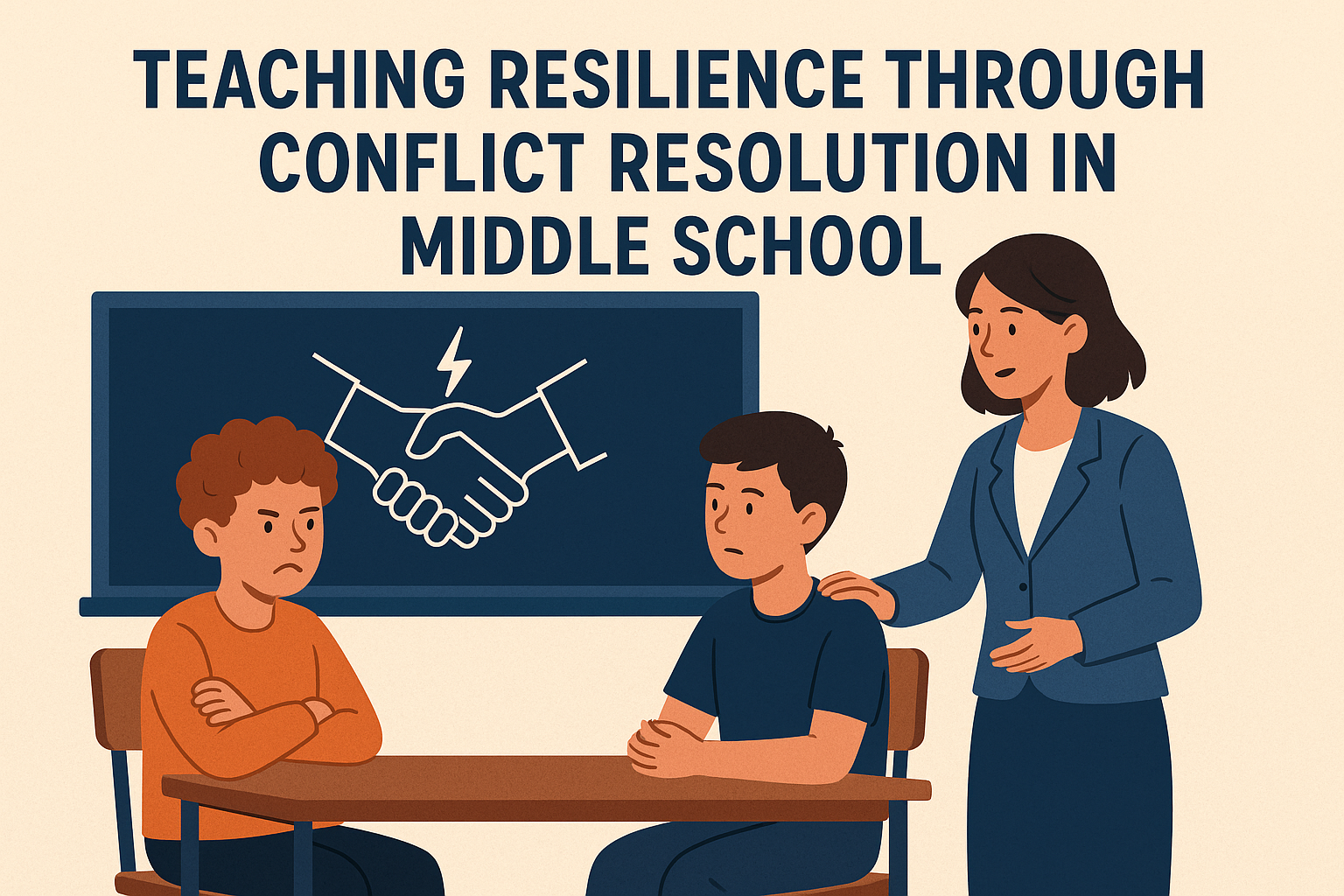
As students progress through middle school, they encounter a myriad of challenges that can shape their emotional and social development. One of the most critical skills to master during this time is conflict resolution. The ability to navigate disputes isn’t just about finding a temporary fix; it’s about fostering resilience. Teaching resilience through conflict resolution in middle school not only equips students with the skills they need to handle disagreements but also prepares them for the complexities of life beyond school.
Understanding Middle School Dynamics
Middle school is often a turbulent time for students. Between the hormonal changes, social shifts, and academic pressures, it’s no surprise that conflicts arise. According to a report by the National Center for Education Statistics, approximately 15% of students in grades 6-12 reported being bullied on school property. This statistic highlights a significant need for effective conflict resolution strategies within this demographic.
But it’s not just about bullying. Conflicts can arise from a range of scenarios, including disagreements over group projects, misunderstandings among friends, and even competition for grades. Teaching students how to resolve these conflicts effectively can build a foundation of resilience that helps them throughout their lives.
The Importance of Conflict Resolution in Middle School
When conflicts occur, the manner in which they are addressed can either exacerbate the situation or lead to a constructive outcome. Integrating conflict resolution into the middle school curriculum can also help foster an inclusive school environment. Here are some key reasons why it’s pivotal:
- Promotes Emotional Intelligence: Teaching students to recognize and manage their emotions in conflict situations helps develop emotional intelligence, an essential skill for personal and professional success.
- Encourages Empathy: Understanding different perspectives fosters empathy. Students learn to appreciate diversity in opinions and experiences.
- Reduces Behavioral Issues: Schools that implement conflict resolution programs often see a decrease in disciplinary issues, as students become adept at managing disputes without resorting to aggression.
- Builds Community: When students learn to resolve their conflicts amicably, it encourages a supportive school culture where everyone feels valued and heard.
Key Conflict Resolution Strategies
Teaching conflict resolution in middle school doesn’t have to be a daunting task. Here are five essential strategies that educators can implement to empower students:
1. Role-Playing Scenarios
Role-playing is a powerful tool for teaching conflict resolution. By simulating real-life scenarios, students can practice their conflict resolution skills in a safe environment. Here’s how you can implement it:
- Identify Common Conflicts: Begin by discussing common conflicts that occur in the school setting, such as disagreements over group projects or misunderstandings in friendships.
- Create Scenarios: Develop role-playing scenarios that reflect these conflicts. For example, one might involve two students disagreeing on how to complete a project.
- Encourage Solutions: After each role-play, facilitate a discussion about the different ways to resolve the conflict. Invite students to share their thoughts and feelings.
By practicing these scenarios, students can rehearse conflict resolution techniques, making them more likely to apply them in real-life situations.
2. Teaching Active Listening
Active listening is crucial for effective communication. When students feel heard, they are more likely to engage constructively in resolving conflicts. Here are some steps for teaching this skill: (See: National Center for Education Statistics report.)
- Model Active Listening: Demonstrate active listening by giving full attention to a speaker, maintaining eye contact, and responding appropriately.
- Teach Techniques: Introduce techniques such as summarizing what the speaker has said and asking clarifying questions.
- Practice in Pairs: Pair students up and have them practice active listening in conversations, ensuring they switch roles.
By honing the skill of active listening, students not only learn to resolve conflicts but also develop stronger interpersonal relationships.
3. Conflict Resolution Frameworks
Implementing structured conflict resolution frameworks can provide students with a clear path to resolving disagreements. One such framework is the “I” Statement approach. Here’s how it works:
- Identify the Feelings: Teach students to express their feelings using “I” statements. For example, “I feel upset when…” instead of “You always make me upset.” This approach reduces defensiveness.
- State the Situation: Encourage students to describe the situation objectively, focusing on facts rather than opinions.
- Express Needs: Have students articulate their needs or what they hope to achieve through the resolution.
- Invite Collaboration: Finally, prompt students to work together to find a mutually agreeable solution.
This framework not only helps students articulate their feelings but also promotes a spirit of collaboration.
4. Emphasizing Problem-Solving Skills
Teaching students effective problem-solving skills is vital for conflict resolution. Here’s how you can encourage this skill:
- Identify the Problem: Teach students to clearly define the conflict or problem at hand.
- Brainstorm Solutions: Encourage them to brainstorm multiple solutions without judgment. This fosters creativity and openness.
- Evaluate the Solutions: Guide students in evaluating the pros and cons of each potential solution, considering the impact on all parties involved.
- Plan for Implementation: Finally, help students create a plan for how to implement the chosen solution.
By focusing on problem-solving, students learn to approach conflicts systematically, leading to more effective resolutions.
5. Encouraging Reflection
Reflection is a crucial component of learning. After resolving a conflict, encourage students to reflect on the experience. Here are some guiding questions:
- What was the conflict about?
- How did you feel during the conflict?
- What strategies did you use to resolve it?
- What would you do differently next time?
Reflection allows students to internalize their experiences and understand their growth in conflict resolution. It reinforces the idea that learning doesn’t stop with the resolution but continues as they apply these lessons in future situations.
Current Relevance in Educational Settings
As the educational landscape continues to evolve, the importance of teaching conflict resolution in middle school remains paramount. With increasing reports of mental health issues among adolescents, programs focused on conflict resolution and resilience building take on added significance. According to the National Institute of Mental Health, approximately 20% of adolescents experience a mental health disorder, making social-emotional learning (SEL) initiatives critical.
Incorporating conflict resolution as part of SEL not only addresses immediate disputes but also contributes to long-term emotional well-being. Schools that invest in these programs often witness improvements in student behavior, academic performance, and overall school climate. For example, the Collaborative for Academic, Social, and Emotional Learning (CASEL) reports that effective SEL programs can lead to an 11% increase in academic performance and a significant reduction in misconduct. (See: CDC resources on youth violence prevention.)
Implementing Conflict Resolution Programs
For educators looking to embed conflict resolution into their curriculum, several resources are available:
- Professional Development: Schools should invest in professional development opportunities for teachers to learn conflict resolution strategies and SEL integration.
- Curriculum Resources: Various organizations offer curricula focused on conflict resolution and social-emotional learning. Programs like Second Step and MindUp are excellent examples.
- Collaboration with Counselors: School counselors can provide valuable support in implementing conflict resolution approaches and can facilitate workshops for students.
By committing to these strategies, educators can help their students develop resilience and become more adept at conflict resolution, ultimately equipping them for future challenges.
Expanding the Scope: Family and Community Involvement
Incorporating conflict resolution skills isn’t just limited to the classroom; it’s essential to involve families and communities in this process. Schools can run workshops for parents to educate them on these concepts and how they can reinforce the same principles at home. For example, organizing community events where families engage in activities that promote teamwork and communication can solidify these skills.
The relationship between home and school is critical. According to research from the Harvard Family Research Project, students perform better academically when parents are involved in their education. When parents understand conflict resolution strategies, they can model these behaviors at home, creating a consistent messaging system for children. This synergy between school and home creates a more supportive environment for students, enhancing their ability to manage conflicts effectively.
Real-Life Applications of Conflict Resolution Skills
Applying conflict resolution skills in real-life situations is vital for retention and growth. Schools can implement peer mediation programs where students are trained to help their classmates resolve conflicts. This not only empowers students but also fosters a sense of responsibility within the student body.
Additionally, real-world projects that require collaboration among students can serve as practical applications for conflict resolution. For instance, organizing a school event or service project requires students to navigate different opinions, ideas, and approaches. This provides a fertile ground for practicing the skills they’ve learned in conflict resolution workshops.
Statistics show that peer mediation programs can significantly reduce conflicts in schools. A study conducted by the University of Illinois found that schools with peer mediation reported a 50% decrease in conflict-related incidents. This not only enhances the school climate but also encourages students to cultivate leadership skills.
FAQ Section on Conflict Resolution in Middle School
What are the common types of conflicts students face in middle school?
Conflicts in middle school can range from bullying and social exclusion to disagreements in group projects and competition for grades. Understanding these common scenarios helps educators tailor conflict resolution strategies effectively.
How can teachers assess the effectiveness of conflict resolution programs?
Teachers can assess effectiveness through surveys to measure changes in student behavior, academic performance, and overall school climate before and after implementing conflict resolution programs. Additionally, tracking incidents of conflict can provide insight into improvements.
Can conflict resolution skills improve academic performance?
Yes, conflict resolution skills can enhance academic performance by creating a more collaborative classroom environment. Students who are equipped to manage conflicts tend to engage more positively in their studies, leading to improved focus and participation.
What role does technology play in conflict resolution among middle schoolers?
Technology can offer various tools for conflict resolution, such as online forums for discussion, resources for learning conflict resolution skills, and virtual platforms for role-playing scenarios. However, educators must guide students in using technology responsibly and respectfully to avoid cyberbullying.
How can students practice conflict resolution outside of school?
Students can practice conflict resolution at home by communicating openly with family members about disagreements. Participating in team sports or community service projects can also provide opportunities to work collaboratively and resolve conflicts constructively.
Conclusion: The Path to Resilience
Teaching resilience through conflict resolution in middle school is not merely about resolving disputes; it’s about preparing students for the complexities of life. The skills students learn today — emotional intelligence, empathy, problem-solving, and effective communication — will serve them well in all areas of their lives. As educators and parents, the onus is on us to create an environment where students feel empowered to resolve conflicts amicably and constructively. Through dedicated effort and the implementation of sound strategies, we can help our students grow into resilient, capable adults ready to face whatever challenges come their way.
“`
Trending Now
- the complete explanation
- 12 Engaging Emotional Intelligence Activities for Kids to Foster Growth
- our breakdown of 7 essential emotional intelligence skills every high school student needs before college
- the complete explanation
- 7 Effective Emotional Intelligence Activities for Kindergarten Kids That Really Work
Frequently Asked Questions
Why is conflict resolution important in middle school?
Conflict resolution is crucial in middle school as it helps students navigate disputes effectively, fostering resilience and emotional intelligence. By learning how to address conflicts constructively, students not only improve their interpersonal skills but also prepare for future challenges in life.
How can teachers promote resilience through conflict resolution?
Teachers can promote resilience by integrating conflict resolution strategies into the curriculum. This includes teaching students to recognize their emotions, understand different perspectives, and develop empathy, which all contribute to a more inclusive and supportive school environment.
What are common conflicts faced by middle school students?
Middle school students commonly face conflicts related to bullying, disagreements on group projects, misunderstandings among friends, and competition for grades. Addressing these conflicts through effective resolution strategies can help students build resilience and navigate social dynamics.
How does conflict resolution help with emotional intelligence?
Conflict resolution enhances emotional intelligence by teaching students to identify and manage their emotions during disputes. By understanding their feelings and those of others, students develop essential skills that are vital for both personal growth and professional success.
What skills can students gain from learning conflict resolution?
Students can gain several important skills from learning conflict resolution, including effective communication, empathy, critical thinking, and emotional regulation. These skills are not only beneficial for resolving conflicts but also contribute to their overall social and emotional development.
Have you experienced this yourself? We’d love to hear your story in the comments.



