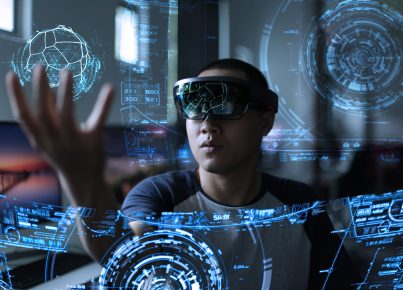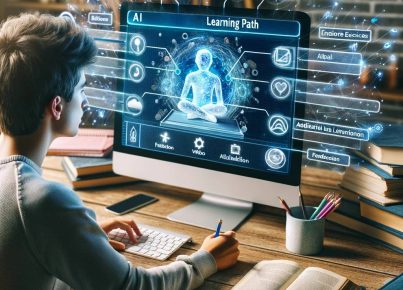

As we look to the future of merit pay for teachers, one of the most significant trends is the increasing role of technology and data analytics in shaping these systems. Advanced technologies are revolutionizing how teacher performance is measured, analyzed, and rewarded, paving the way for more sophisticated and potentially fairer merit pay models.
One key development is the use of big data analytics in education. School districts are now able to collect and analyze vast amounts of data on student performance, teacher activities, and school operations. This wealth of information allows for more nuanced and comprehensive evaluations of teacher effectiveness. For instance, some systems are now able to track student progress across multiple years and subjects, providing a more holistic view of a teacher’s impact.
Artificial intelligence (AI) and machine learning algorithms are also beginning to play a role in teacher evaluation and merit pay systems. These technologies can analyze patterns in student data, classroom observations, and other metrics to identify effective teaching practices and predict student outcomes. While still in its early stages, AI has the potential to provide more objective and consistent evaluations than traditional methods.
Another emerging trend is the use of digital portfolios and continuous assessment tools. These technologies allow teachers to document their professional growth, innovative teaching practices, and student engagement throughout the year. This ongoing collection of evidence can provide a richer picture of a teacher’s performance than periodic observations or test scores alone.
Video technology is also becoming more prevalent in teacher evaluation systems. Some districts are experimenting with video recording of lessons, which can be reviewed by multiple evaluators or used for self-reflection. This approach can provide more comprehensive and objective data for merit pay decisions while also serving as a valuable professional development tool.
The rise of educational technology (EdTech) tools is another factor influencing merit pay trends. As teachers increasingly use digital platforms for instruction and assessment, these tools generate data on student engagement, progress, and outcomes. Some merit pay systems are beginning to incorporate this data, recognizing the role of technology integration in modern teaching effectiveness.
However, the increased use of technology in merit pay systems also raises important questions and challenges. There are concerns about data privacy and security, especially when dealing with sensitive information about teachers and students. There’s also the risk of over-relying on quantitative data at the expense of qualitative aspects of teaching that may be harder to measure digitally.
Moreover, there’s a growing recognition of the need for “algorithmic fairness” in these systems. As AI and machine learning play larger roles in evaluation and compensation decisions, it’s crucial to ensure that these algorithms don’t perpetuate existing biases or create new ones.
Looking ahead, we can expect to see continued innovation in this area. Future merit pay systems might incorporate real-time feedback mechanisms, allowing for more dynamic and responsive compensation models. We might also see the development of more personalized professional development plans based on data-driven insights, linking teacher growth directly to compensation.
As these technological trends continue to shape merit pay systems, it will be crucial for policymakers, educators, and technologists to work together to ensure that these systems are fair, transparent, and truly supportive of effective teaching and learning. The future of merit pay may well depend on striking the right balance between leveraging the power of technology and preserving the human judgment and context that are essential to understanding the complex art of teaching.