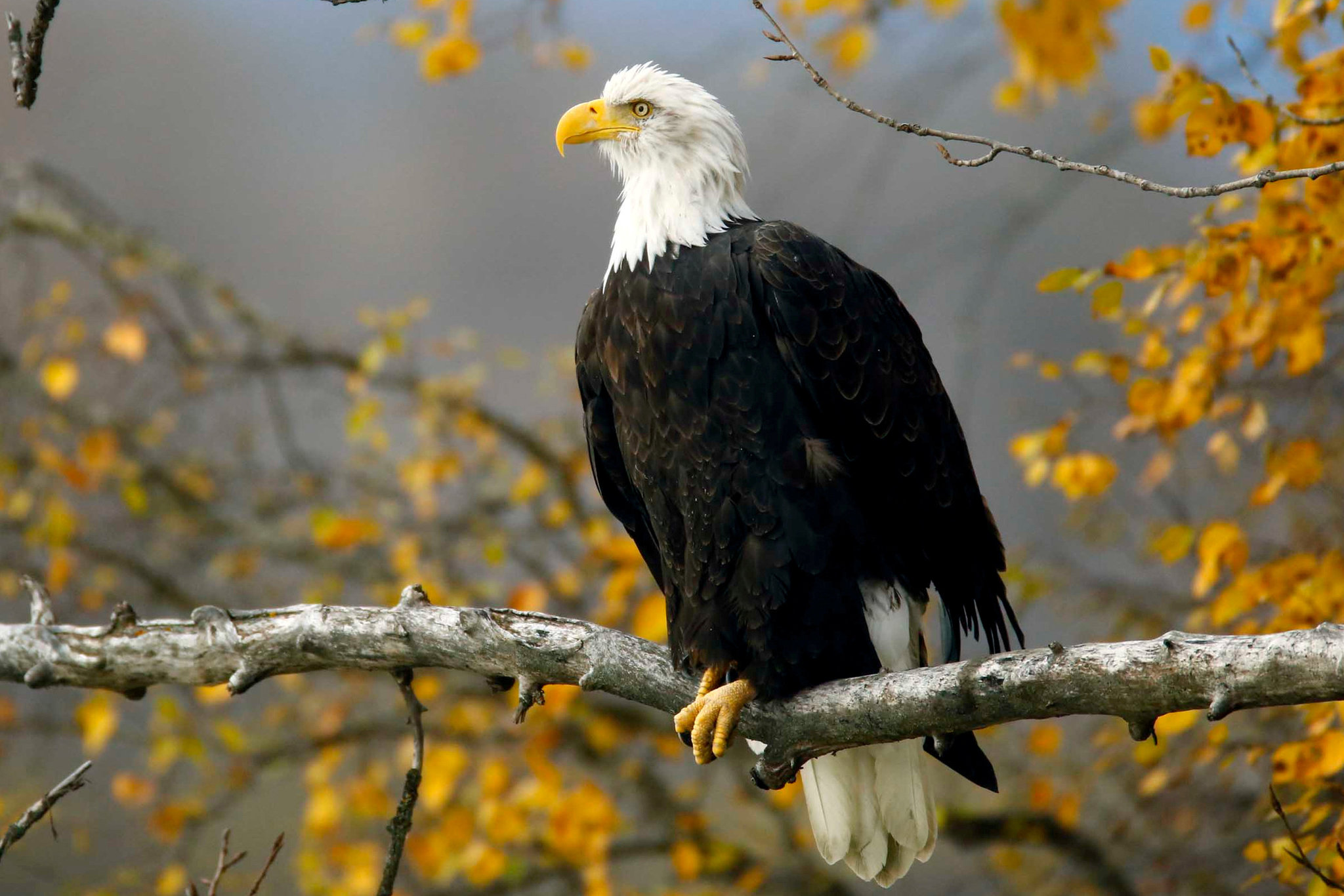

Long before the bald eagle became the national symbol of the United States, it held great significance in many Native American cultures. For centuries, indigenous peoples across North America have revered the bald eagle for its strength, wisdom, and spiritual power.
In many Native American traditions, the eagle is seen as a messenger between humans and the divine. Its ability to soar to great heights is believed to bring it closer to the Creator, allowing it to carry prayers and messages to the spirit world. The eagle’s keen vision is also associated with foresight and clarity of perception.
Eagle feathers are considered sacred objects in many Native American cultures and are often used in important ceremonies and rituals. These feathers are believed to carry the bird’s power and are used in healing ceremonies, prayer fans, and ceremonial dress. The gifting of an eagle feather is a high honor, symbolizing respect, trust, and admiration.
The importance of eagles in Native American culture is reflected in numerous myths and legends. In some traditions, the Thunderbird, a powerful supernatural being, is depicted as a giant eagle. The Thunderbird is often associated with thunder, lightning, and rain, playing a crucial role in maintaining balance in nature.
Many Native American tribes have specific laws and customs regarding the treatment of eagles and eagle parts. The use of eagle feathers and other parts for religious and cultural purposes is protected under U.S. federal law, recognizing the bird’s importance in Native American traditions.
The reverence for the bald eagle in Native American culture offers a perspective that goes beyond its role as a national symbol. It reminds us of the deep, spiritual connection many indigenous peoples have with nature and the importance of respecting and preserving wildlife not just for ecological reasons, but for cultural and spiritual ones as well.