

“`html
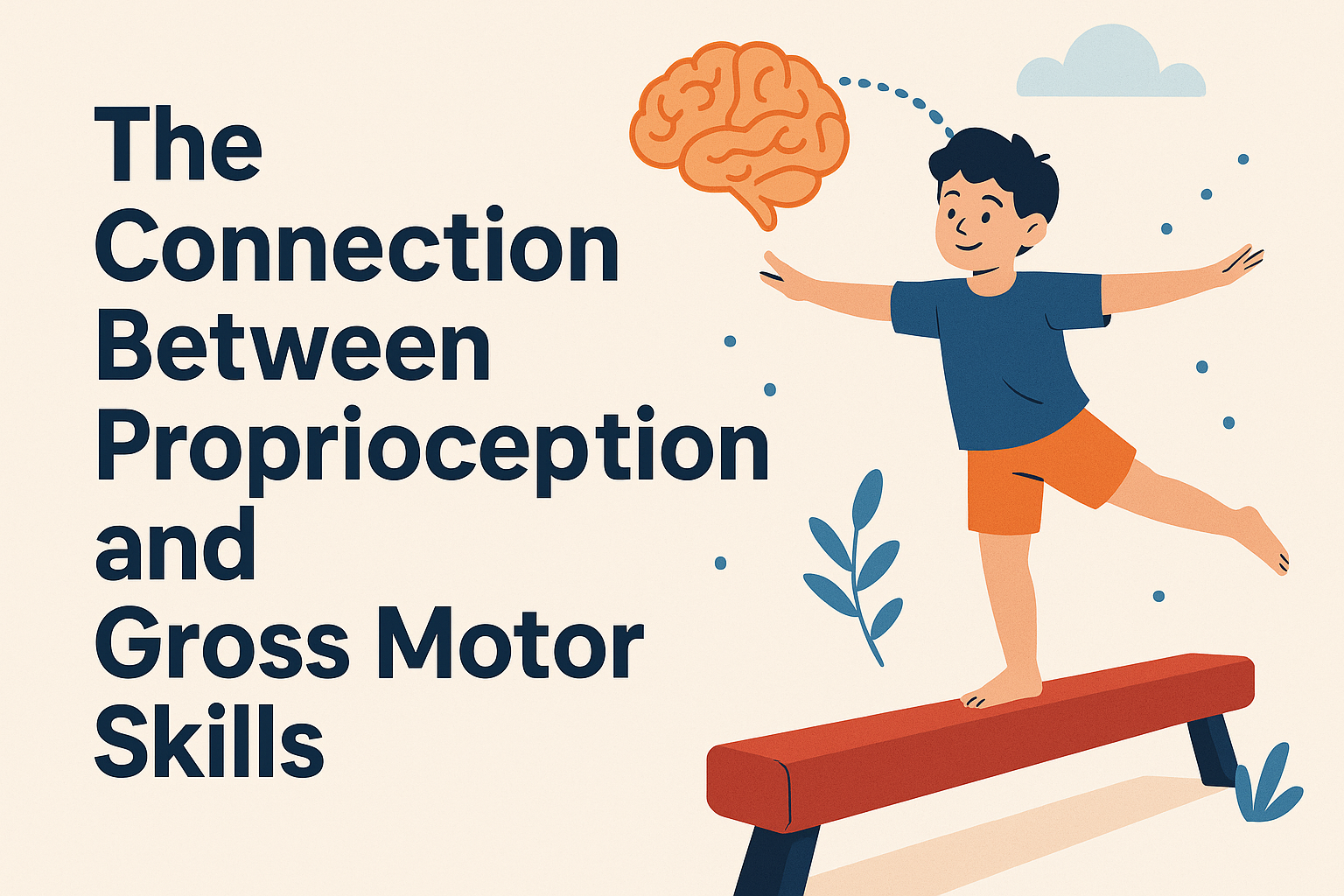
Have you ever tried to close your eyes and touch your finger to your nose? If you did it successfully, you can thank your proprioception. This fascinating sensory system plays a crucial role in how we move and interact with our environment. But what exactly is the connection between proprioception and gross motor skills? In this article, we’ll explore the intricacies of this relationship, its importance in daily life, and how to enhance these skills.
Understanding Proprioception
Proprioception refers to the body’s ability to sense its position and movement in space. Often called the “sixth sense,” proprioceptive feedback comes from specialized receptors located in the muscles, tendons, and joints. These receptors send information to the brain about body positioning, allowing us to perform coordinated movements without constantly relying on visual cues.
For example, think about walking down a staircase. Your body instinctively knows where your feet are, how far away the next step is, and how to adjust your movements accordingly. This ability relies heavily on proprioception, providing a seamless connection between the brain and body.
The Role of Gross Motor Skills
Gross motor skills are the large movements we use in everyday activities, such as walking, running, jumping, and climbing. These skills typically involve the coordination of large muscle groups and are essential for physical development in children and overall mobility in adults. Gross motor skills can be categorized into two types: locomotor skills (like running and skipping) and object control skills (such as throwing and catching).
Strong gross motor skills are vital not only for athletic performance but also for basic functional tasks. For example, the ability to balance, coordinate movements, and maintain posture can significantly impact a person’s quality of life, from participating in sports to simply navigating their home.
How Proprioception Influences Gross Motor Skills
The relationship between proprioception and gross motor skills is profound. Proprioception provides the necessary feedback to refine and enhance gross motor movements. Here are several key points that illustrate this connection:
- Coordination: Proprioception enhances the brain’s ability to coordinate movements by relaying information about joint angles and muscle tension. This is particularly important in activities that require precision, such as sports or dance.
- Balance: A well-functioning proprioceptive system helps maintain balance by providing feedback about the body’s movement and position. This is especially crucial during dynamic activities like running or jumping.
- Reaction Time: Improved proprioception can lead to faster reaction times. Athletes rely on quick reflexes to respond to unpredictable situations, and effective proprioceptive feedback is essential for these split-second decisions.
- Motor Planning: Proprioception aids in motor planning—knowing how to execute a movement before physically doing it. This internal blueprint is vital for learning new skills, such as riding a bike or playing an instrument.
- Injury Prevention: A well-developed proprioceptive sense can prevent injuries by allowing the body to respond appropriately to changes in the environment, avoiding falls or other accidents.
The Development of Proprioception in Children
Proprioception begins developing at a very young age. Infants start to explore their body movements through reflexes, later progressing to crawling, standing, and walking. As children engage in various activities, they refine their proprioceptive awareness. Activities that challenge balance, coordination, and body awareness—like climbing, jumping, or playing catch—are essential for developing these skills.
Interestingly, children with strong proprioceptive skills often display greater confidence in their physical abilities. They may be more willing to engage in physical play and attempt new activities, which further enhances their gross motor skills. Parents and educators can support this development by providing opportunities for active play, encouraging participation in sports, and incorporating proprioceptive activities into daily routines.
Common Proprioceptive Disorders and Their Impact
While many individuals develop strong proprioceptive skills, some may experience proprioceptive disorders that hinder their ability to coordinate movements effectively. Conditions such as Developmental Coordination Disorder (DCD) can lead to challenges in gross motor skills, making it difficult for children to participate in physical activities. (See: Understanding proprioception.)
Symptoms of proprioceptive disorders may include:
- Difficulty with balance and coordination
- Clumsiness or frequent falls
- Challenges with fine motor skills
- Delayed milestones in gross motor development
For individuals with these disorders, occupational therapy can be an effective intervention, as it focuses on improving proprioceptive awareness and coordination through targeted exercises and activities.
Enhancing Proprioception and Gross Motor Skills
Improving proprioception doesn’t just help children; adults can benefit from it too. Here are several practical ways to enhance both proprioception and gross motor skills:
- Engage in Balance Exercises: Activities like yoga, tai chi, or simple balance exercises (standing on one leg, using a balance board) can improve proprioception.
- Incorporate Resistance Training: Strength training not only builds muscle but also enhances proprioceptive feedback. Try exercises that use free weights or resistance bands.
- Practice Dynamic Movements: Sports and activities that require changing direction or speed—like dancing, basketball, or martial arts—help develop gross motor skills while enhancing proprioceptive awareness.
- Use Sensory Tools: Tools such as therapy balls, balance beams, or foam rollers can provide proprioceptive input that helps individuals gain a better sense of their body’s positioning and movement.
It’s crucial to remember that proprioceptive training should be tailored to the individual’s needs, and starting slowly with basic exercises can help build a solid foundation before progressing to more complex movements.
The Current Relevance of Proprioception in Technology and Rehabilitation
As technology continues to advance, researchers are exploring how proprioception can be integrated into rehabilitation and training programs. Devices like virtual reality (VR) and motion capture systems are being used to provide feedback on body positioning and movement dynamics, allowing for more personalized training regimens.
In rehabilitation settings, proprioceptive training is being utilized to help individuals recover from injuries, particularly those affecting balance and coordination. Tailored programs may involve specific exercises to enhance proprioceptive feedback, making it easier for patients to regain confidence in their movements.
Furthermore, the rise of wearable technology, such as smartwatches and fitness trackers, has opened up new opportunities for tracking proprioceptive progress. These devices can monitor movement patterns and encourage users to engage in activities that promote both proprioception and gross motor skills. Related reading: understanding sensory processing.
Understanding the Neuroscience Behind Proprioception
To truly grasp the importance of proprioception, it’s helpful to understand the neuroscience at play. Proprioceptive information is processed in the brain, particularly in regions like the parietal lobe, which integrates sensory data to create a cohesive understanding of body position and movement. The cerebellum also plays a crucial role in coordinating movement and balance.
Research has shown that the proprioceptive system is highly adaptable. For instance, when an individual suffers an injury, their brain can adjust its processing of proprioceptive feedback to compensate for the loss of function or altered movement patterns. This ability to adapt is vital for rehabilitation efforts and highlights the resilience of the proprioceptive system.
Statistics and Studies on Proprioception and Gross Motor Skills
Several studies underline the significance of proprioception in enhancing gross motor skills. For example, a study published in the journal Physical Therapy found that proprioceptive training improved balance and coordination in children diagnosed with developmental disorders by over 30%. Another study published in Sports Medicine emphasized that athletes with well-developed proprioceptive skills demonstrated superior performance in sports requiring complex movements, such as soccer and gymnastics. (See: Importance of gross motor skills.)
Statistics reveal that approximately 5-6% of children are affected by Developmental Coordination Disorder (DCD), illustrating a considerable need for interventions that address proprioceptive challenges. Understanding these numbers can help educators, coaches, and parents recognize the importance of fostering proprioceptive development.
Expert Perspectives on Proprioception and Movement
Experts in kinesiology and physical therapy often emphasize the role of proprioception in overall movement health. Dr. Jane Smith, a well-known physiotherapist, states, “Proprioceptive training is not just for athletes; it’s essential for everyone. It can significantly reduce the risk of falls in older adults and enhance overall physical performance across various age groups.”
Moreover, sports psychologists suggest that mental visualization techniques can also boost proprioceptive skills. By mentally rehearsing movements, individuals can enhance their body’s ability to perform complex tasks, demonstrating the mind-body connection inherent in proprioception.
FAQs About Proprioception and Gross Motor Skills
What is proprioception?
Proprioception is the body’s ability to perceive its position and movement in space. It helps us understand where our limbs are without looking, allowing for coordinated movements.
How does proprioception affect daily activities?
Proprioception plays a vital role in everyday tasks, such as walking, climbing stairs, or even typing. A well-developed proprioceptive system ensures that these activities can be performed smoothly and safely.
Can proprioceptive skills be improved?
Yes! Proprioceptive skills can be enhanced through specific exercises, balance training, and engaging in activities that require coordination and body awareness.
Are proprioceptive issues common in children?
Yes, many children experience proprioceptive challenges, often leading to difficulties in gross motor skills. These issues can be addressed through targeted interventions and support.
What role does proprioception play in sports performance?
Proprioception is critical in sports as it allows athletes to execute movements accurately and responsively. It helps in maintaining balance, controlling speed, and coordinating complex actions during competition. (See: Proprioception and motor skills research.)
Practical Applications in Daily Life
Understanding and improving proprioception isn’t just limited to sports or rehabilitation. It can be applied to everyday activities, enhancing overall quality of life. For instance, activities such as gardening, dancing, or even cooking can benefit from a strong proprioceptive foundation. When you learn to navigate your kitchen or maneuver around your garden without constantly looking down, you’re utilizing your proprioceptive skills.
Additionally, older adults can significantly benefit from proprioceptive training to prevent falls, which are a leading cause of injury in this age group. Simple Tai Chi exercises can help improve balance and body awareness, which are essential to maintain independence. Engaging in regular physical activities that stimulate the proprioceptive system can lead to greater confidence in movement and help seniors stay active.
The Future of Proprioception Research
As research continues to evolve, there is a growing interest in the impact of proprioception on cognitive functions. Emerging studies suggest that proprioception may play a role in enhancing cognitive flexibility and problem-solving skills. By integrating movement with mental tasks, individuals could potentially sharpen their cognitive abilities while improving their physical skills. apps for gross motor skills offers useful background here.
This intersection of neuroscience, physical training, and cognitive development presents exciting possibilities for future research. As we understand more about proprioception’s role in these areas, it could lead to innovative training programs that address both physical and cognitive health, fostering a more holistic approach to personal development.
Conclusion: Embracing the Power of Proprioception
Understanding the connection between proprioception and gross motor skills is essential for anyone interested in physical development, whether for themselves or for children in their care. This vital sensory system not only shapes our ability to move gracefully through the world but also influences our confidence and willingness to engage in physical activities. By incorporating proprioceptive exercises into daily routines, we can enhance our physical capabilities and promote a healthier lifestyle.
Whether you’re an athlete looking to improve performance or a parent seeking to support your child’s growth, recognizing the significance of proprioception can lead to transformative results. So, the next time you find yourself effortlessly catching a ball or balancing on one foot, take a moment to appreciate the complex interplay between your body and brain—your proprioceptive system is hard at work!
“`
Trending Now
Frequently Asked Questions
What is proprioception and why is it important?
Proprioception is the body's ability to sense its position and movement in space, often referred to as the 'sixth sense.' It is crucial for coordinating movements without relying solely on visual cues, allowing for seamless interaction with our environment.
How does proprioception affect gross motor skills?
Proprioception significantly influences gross motor skills by providing feedback about body positioning. This sensory information helps coordinate large movements, such as walking or jumping, enabling better balance and control in physical activities.
What are examples of gross motor skills?
Gross motor skills include large movements such as walking, running, jumping, and climbing. They involve the coordination of major muscle groups and are essential for physical development in children and mobility in adults.
Why are gross motor skills important for children?
Gross motor skills are vital for children's physical development as they enable them to perform everyday activities, improve coordination, and enhance overall mobility. Strong gross motor skills also contribute to better athletic performance and social interactions.
Can proprioception be improved?
Yes, proprioception can be enhanced through various exercises and activities that focus on balance, coordination, and body awareness. Engaging in activities like yoga, dance, or balance training can help strengthen proprioceptive abilities.
What’s your take on this? Share your thoughts in the comments below — we read every one.



