
In today’s digital landscape, effective communication has evolved far beyond traditional verbal and written skills. The ability to communicate clearly, persuasively, and appropriately across a multitude of channels has become a critical soft skill for professionals in virtually every industry.
One of the key trends in communication skills is the emphasis on digital storytelling. As attention spans shorten and competition for audience engagement intensifies, professionals are learning to craft compelling narratives that resonate across various digital platforms. This includes skills in visual communication, such as creating infographics, short videos, and interactive presentations, as well as writing for different digital formats, from tweets to long-form blog posts.
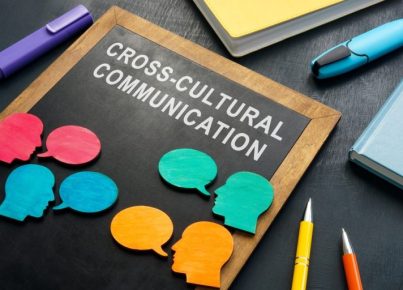
Another emerging trend is the focus on cross-cultural communication in an increasingly globalized business environment. Professionals are developing cultural intelligence and learning to navigate the nuances of communication across different cultural contexts. This includes understanding non-verbal cues, adapting communication styles, and being mindful of cultural sensitivities in both digital and face-to-face interactions.
The concept of “contextual communication” is also gaining prominence. This involves the ability to tailor communication style and content based on the specific context, including the platform being used, the audience, and the purpose of the communication. Professionals are learning to switch seamlessly between formal and informal tones, long-form and short-form content, and text-based and visual communication depending on the situation.
Another important aspect of modern communication skills is the ability to manage and protect one’s digital reputation. As the lines between personal and professional online presence blur, professionals are learning to cultivate a consistent and positive digital brand across various platforms. This includes skills in personal branding, social media management, and understanding the long-term implications of digital communication.
The trend towards more inclusive communication is also shaping communication skills. Professionals are becoming more aware of the importance of using inclusive language, considering accessibility in digital communications, and ensuring diverse representation in visual content. This includes skills in writing alt text for images, creating closed captions for videos, and using gender-neutral language.
As we look to the future, communication skills are likely to continue evolving rapidly. The integration of augmented reality and virtual reality technologies may create new forms of immersive communication. Advances in natural language processing and AI may lead to more sophisticated translation tools, further facilitating global communication. Additionally, as concerns about digital privacy and data protection grow, professionals may need to develop skills in secure and encrypted communication methods.