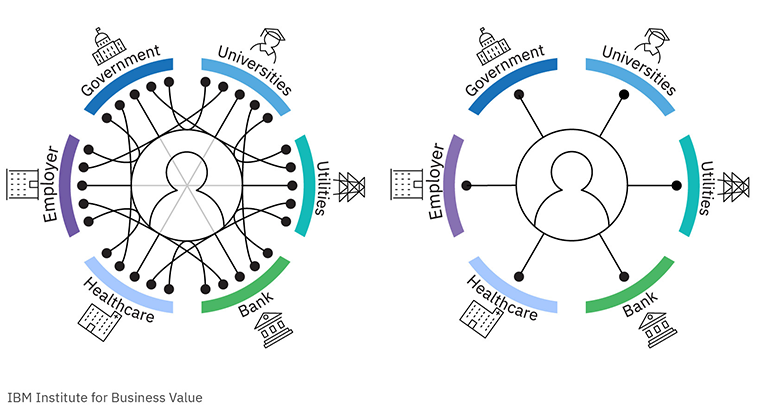

As our lives become increasingly digital, the concept of digital identity and the methods we use to authenticate ourselves online are evolving rapidly. This trend is fundamentally changing how we interact with digital services and how we prove who we are in the online world.
One of the most significant developments in this area is the move towards more secure and user-friendly authentication methods. Traditional password-based systems are increasingly being supplemented or replaced by multi-factor authentication (MFA), biometric authentication (such as fingerprint or facial recognition), and passwordless authentication methods. These changes are driven by the need for better security in the face of increasing cyber threats and the desire for more convenient user experiences.
The concept of “self-sovereign identity” is gaining traction as part of this trend. This approach gives individuals control over their own digital identities, allowing them to manage and share their personal information on their own terms. Blockchain technology is often proposed as a potential foundation for self-sovereign identity systems, offering the promise of decentralized and tamper-resistant identity management.
There’s also a growing trend towards the use of digital identity for government services. Many countries are implementing national digital identity systems that allow citizens to access a wide range of services online, from filing taxes to accessing healthcare information. While these systems can increase efficiency and accessibility of services, they also raise important questions about privacy, security, and the potential for surveillance.
The increasing use of social media logins as a form of authentication across various websites and services is another significant trend. While this can offer convenience, it also raises concerns about data sharing between platforms and the concentration of personal information in the hands of a few large tech companies. Digital citizens need to be aware of the implications of using these authentication methods and understand how their data might be shared or used.
As our digital identities become more comprehensive and important, there’s a growing focus on the right to be forgotten or the right to erasure. This concept, which is included in regulations like the GDPR, gives individuals the right to have their personal data erased under certain circumstances. This is becoming an important aspect of managing one’s digital identity and online presence.
The rise of deepfake technology and other forms of digital impersonation is creating new challenges for digital identity. As it becomes easier to create convincing fake videos or audio recordings, the question of how to verify the authenticity of digital content and communications is becoming increasingly important.
Education about digital identity management is becoming a crucial part of digital citizenship training. This includes teaching individuals how to protect their online identities, understand the implications of different authentication methods, and manage their digital footprints effectively.
Looking ahead, we can expect to see continued innovation in digital identity and authentication technologies. This may include more widespread use of biometrics, the development of decentralized identity systems, and new methods for proving identity online while preserving privacy. The challenge will be balancing the need for secure and convenient authentication with concerns about privacy and data protection.