

“`html
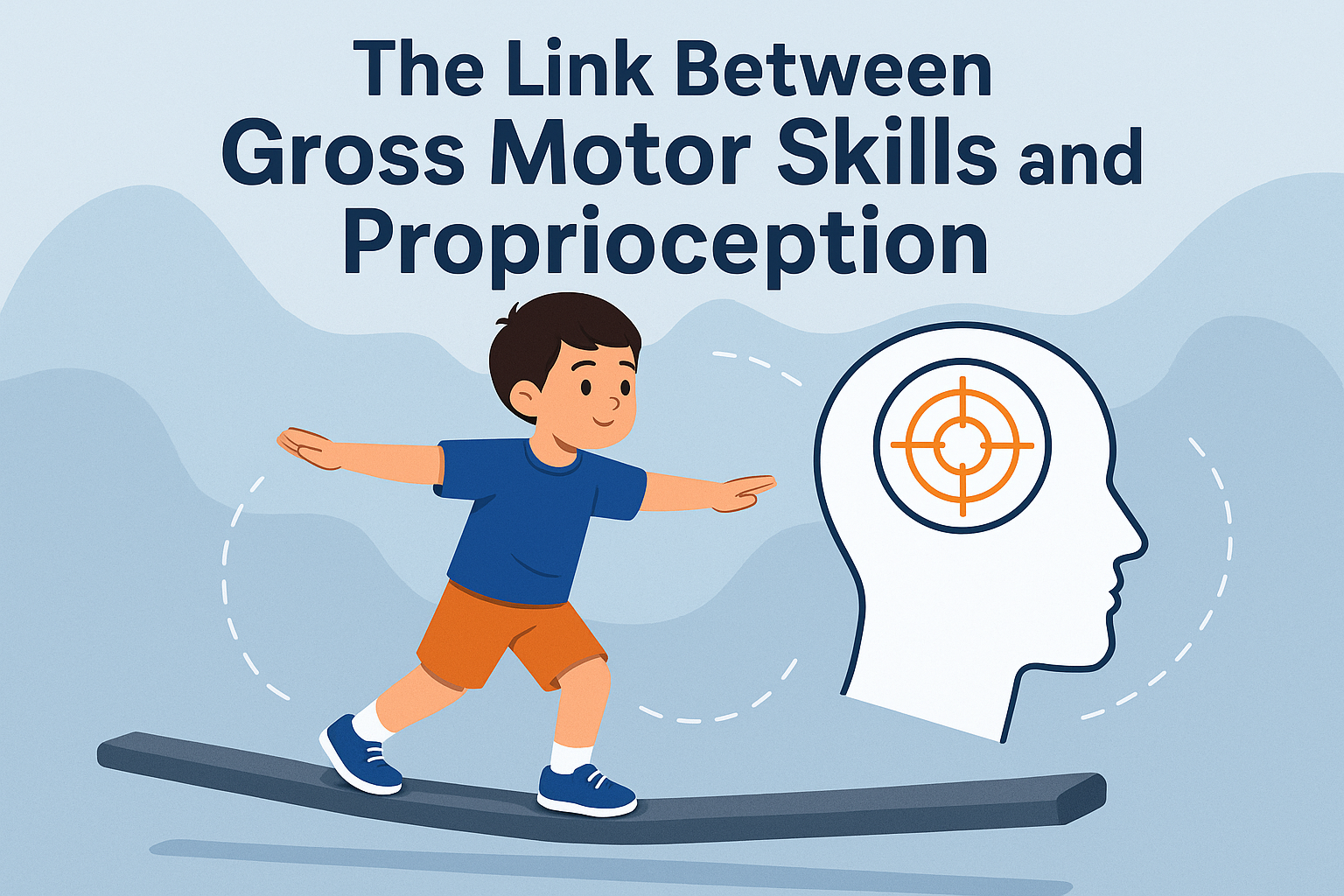
When you think about childhood development, you might picture milestones like taking first steps or learning to ride a bike. These pivotal moments are linked to what experts call gross motor skills. But what’s often overlooked is the role of proprioception—our body’s ability to sense its location and movement in space. Understanding the connection between gross motor skills and proprioception can be crucial for parents, educators, and anyone involved in physical development. (apps for gross motor skills)
What Are Gross Motor Skills?
Gross motor skills encompass the movements that involve large muscle groups, enabling activities like running, jumping, throwing, and climbing. These skills typically develop in stages, starting from infancy and progressing into early childhood as children gain strength and coordination. For instance, an infant may first learn to lift their head, then roll over, sit up, crawl, and finally walk.
Through these stages, children develop a fundamental understanding of their body and its capabilities. According to the American Academy of Pediatrics, mastering gross motor skills is essential not only for physical health but also for cognitive and social development. Activities that promote gross motor skills often encourage teamwork, communication, and self-confidence among peers.
Understanding Proprioception
Proprioception is sometimes referred to as the “sixth sense,” distinct from the traditional five senses of sight, hearing, touch, taste, and smell. This sensory system provides information about the position and movement of our body parts in relation to one another and the environment. Proprioceptors, specialized sensory receptors located in muscles, tendons, and joints, send signals to the brain about body position, tension, and movement.
In terms of development, proprioception begins to emerge in infancy, typically developing alongside gross motor skills. Infants instinctively engage in activities like grasping, crawling, and walking, which simultaneously enhance their proprioceptive awareness. As children grow, their proprioceptive senses refine, enabling them to perform more complex movements and engage in sports or dance. This sensory feedback is crucial for balance, coordination, and overall physical competence.
The Interplay Between Gross Motor Skills and Proprioception
Now that we’ve defined gross motor skills and proprioception, let’s examine how they interact. Consider this: when a child throws a ball, they’re not just using their arm; they must also engage other muscle groups, maintain balance, and understand spatial relationships. This is where proprioception plays an essential role. It helps the child gauge the force needed to throw the ball and the distance to the target.
Research indicates that children with well-developed proprioceptive skills often exhibit superior gross motor abilities. For instance, a study published in the Journal of Physical Therapy Science found that children who engaged in proprioceptive activities, such as obstacle courses or balance exercises, displayed significantly improved balance and coordination. These findings point to a synergistic relationship between proprioception and gross motor skills; as one improves, so does the other. (See: CDC on gross motor skills.)
The Importance of Early Intervention
Early recognition of delays in gross motor skills and proprioception can have lasting implications on a child’s development. Children who struggle with these skills may also experience challenges in their academic and social lives. For example, they might be less likely to participate in team sports or group activities, which can lead to feelings of isolation or low self-esteem.
Parents and educators can adopt various strategies to encourage the development of both gross motor skills and proprioception from an early age. Simple activities like playing catch, climbing on jungle gyms, or even engaging in dance can significantly benefit a child’s physical development. Occupational therapists often recommend specific proprioceptive activities, such as jumping on trampolines or rolling on therapy balls, to enhance a child’s awareness of their body in space.
Practical Activities to Enhance Gross Motor Skills and Proprioception
Incorporating fun and engaging activities into a child’s routine can significantly boost their gross motor skills and proprioception. Here are some practical ideas:
- Obstacle Courses: Set up an obstacle course that includes crawling under tables, jumping over pillows, and balancing on beams. This encourages coordination and spatial awareness.
- Animal Walks: Encourage children to imitate animals, such as crawling like a bear or hopping like a frog. These activities promote gross motor skills while enhancing proprioceptive feedback.
- Ball Games: Activities like soccer, basketball, or simply throwing and catching a ball can significantly improve motor skills and proprioception.
- Dance and Movement Classes: Enroll children in dance classes or movement-based activities that require them to control their body and improve spatial awareness.
- Yoga and Stretching: Simple yoga poses or stretching exercises can enhance body awareness and balance, thus benefiting both gross motor skills and proprioception.
Current Trends in Understanding Gross Motor Skills and Proprioception
Modern research continues to unveil the complexities of how gross motor skills and proprioception interrelate. Recent studies are focusing on how various physical activities and interventions can shape these skills in children with developmental delays or disabilities. For instance, a 2021 study published in the journal Developmental Medicine & Child Neurology explored how proprioceptive training could significantly improve motor skills in children with cerebral palsy.
Moreover, technology is also playing a role. Virtual reality (VR) and augmented reality (AR) technologies are being integrated into therapeutic practices to enhance proprioceptive awareness. These technologies provide immersive experiences that can improve coordination and balance in a controlled yet engaging environment.
Comparative Analysis: Gross Motor Skills vs. Fine Motor Skills
While gross motor skills and proprioception are vital for overall physical development, it’s essential to differentiate them from fine motor skills. Fine motor skills involve smaller muscle movements, primarily in the hands and fingers, and are crucial for tasks like writing, buttoning shirts, and using utensils. Understanding this distinction helps parents and educators know where to focus their efforts.
Research has shown that there is a correlation between gross motor skills and fine motor skills. For example, children who engage in activities that enhance their gross motor skills often find it easier to develop fine motor skills later. This interconnectedness suggests that enhancing gross motor experiences can provide a solid foundation for fine motor tasks. (See: NIH article on proprioception.)
Expert Insights on Proprioception
Experts in child development emphasize the importance of proprioception in various aspects of life. Dr. Susan Johnson, an occupational therapist, states, “Proprioception is crucial for understanding where your body is in space, which is essential for coordination and balance.” She notes that children’s participation in proprioceptive activities can significantly improve their overall physical capabilities.
In addition, physical education teachers highlight the importance of integrating proprioceptive activities in school curriculums. By doing so, children not only develop their physical skills but also enhance their cognitive functions, leading to better academic performance.
Why Proprioception Matters Beyond Childhood
While the focus on gross motor skills and proprioception is often centered around childhood development, the implications extend far beyond early years. Proprioception is vital for adults as well, particularly in areas such as sports performance, rehabilitation, and even day-to-day activities. Athletes, for example, heavily rely on proprioceptive feedback to adjust their movements for optimal performance. Studies show that athletes with heightened proprioceptive awareness tend to have better balance and coordination, giving them a competitive edge.
In rehabilitation, proprioceptive training can be a game-changer for recovering patients. The focus on re-establishing proprioceptive pathways can lead to quicker recovery times and better outcomes. For example, physical therapists often incorporate balance and coordination exercises to help patients regain their functional independence after an injury. This training can be crucial for older adults, as maintaining proprioceptive skills is linked to fall prevention.
Frequently Asked Questions (FAQ)
What are some signs of poor proprioception in children?
Signs may include difficulty with balance, clumsiness, avoiding physical activities, or trouble with coordination tasks like catching a ball. If you notice these issues, it may be beneficial to consult a professional.
How can I support my child’s gross motor skill development at home?
You can create opportunities for movement through play. Activities like jumping on a trampoline, climbing, or playing tag can help your child develop these skills. Incorporating fun makes learning enjoyable and effective.
Are there any specific games that enhance proprioception?
Yes! Games like ‘Simon Says’ that incorporate movement, or playing on a balance board can significantly enhance proprioceptive skills. These activities encourage body awareness in a fun and engaging way.
How does nutrition impact gross motor skills and proprioception?
Nutrition plays a critical role in a child’s physical development. A balanced diet rich in vitamins and minerals supports muscle and bone health, which is essential for developing gross motor skills and proprioceptive function. Foods high in omega-3 fatty acids, for example, are known to promote brain health, which can enhance coordination and movement.
Can you provide examples of proprioceptive activities for different age groups?
Absolutely! For infants, activities like tummy time and gentle rocking can enhance proprioceptive awareness. Toddlers can benefit from activities such as jumping into a pile of soft cushions or playing with push-and-pull toys. For older children, consider games that involve running, jumping, and climbing—like playground activities or team sports—to further develop their proprioceptive senses.
The Future of Physical Development
As society becomes increasingly aware of the importance of early physical development, the connection between gross motor skills and proprioception will continue to be at the forefront of educational and therapeutic practices. By investing time and resources into enhancing these crucial skills, we pave the way for healthier, more confident individuals.
Whether you’re a parent, educator, or therapist, understanding and promoting the relationship between gross motor skills and proprioception can lead to significant developmental outcomes for children. Engaging them in fun, dynamic activities not only makes learning enjoyable but also sets the stage for a lifetime of physical competence and well-being.
“`
Trending Now
Frequently Asked Questions
What are gross motor skills?
Gross motor skills involve movements that use large muscle groups, enabling activities such as running, jumping, and climbing. These skills develop in stages from infancy to early childhood, helping children gain strength, coordination, and a fundamental understanding of their body's capabilities.
How does proprioception affect motor skills?
Proprioception, often called the 'sixth sense,' provides critical information about body position and movement. It develops alongside gross motor skills and is essential for coordinating movements, enabling children to perform physical activities effectively and safely.
Why are gross motor skills important for children?
Gross motor skills are vital for children's physical health, cognitive development, and social skills. Mastering these skills promotes teamwork, communication, and self-confidence, laying the foundation for overall development in various areas of their lives.
At what age do gross motor skills develop?
Gross motor skills begin to develop in infancy, with milestones such as lifting the head, rolling over, and crawling. These skills continue to progress through early childhood as children gain strength and coordination, typically reaching significant milestones by age 5.
What activities promote gross motor skills in children?
Activities that encourage running, jumping, throwing, and climbing can effectively promote gross motor skills in children. Engaging in play that involves physical movement not only enhances these skills but also fosters social interaction and builds self-confidence.
See also difference between proprioception and vestibular.
What did we miss? Let us know in the comments and join the conversation.



