
“`html
Traveling has always been a rite of passage, a way to explore the world, and create memories. But as generations evolve, so do their travel planning styles. A recent report highlights a significant generational divide in travel habits, particularly between Baby Boomers and Generation Z. In this article, we’ll explore the contrasting styles of Boomers vs Gen Z travel planning, digging deep into their preferences, frustrations, and the implications for future adventures.
1. The Boomers’ Blueprint: Rigid Itineraries
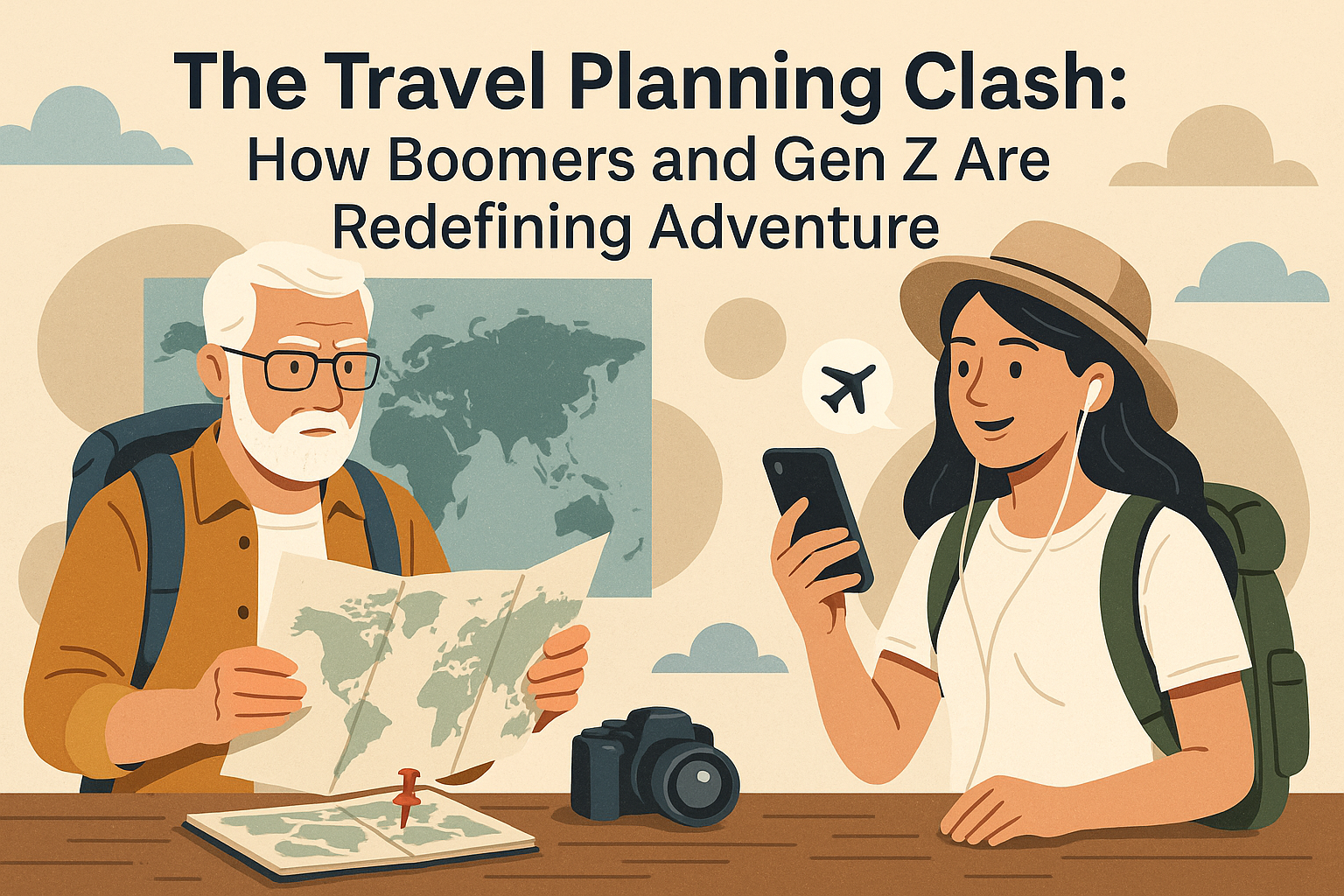
Baby Boomers, typically classified as those born between 1946 and 1964, are known for their structured approach to travel. For many Boomers, a vacation means meticulously planning every detail—scheduling activities down to the hour, booking accommodations well in advance, and following a well-defined itinerary. This approach stems from a desire for organization and control, ensuring that every moment is spent efficiently and purposefully.
However, this rigidity in travel planning has drawn criticism from younger generations. According to a report based on a poll of over 23,000 participants, many Gen Z travelers express frustration over their Boomer counterparts’ insistence on sticking to pre-planned agendas. This generation craves spontaneity, immersive experiences, and the freedom to explore at their own pace. As such, they often view the Boomer approach as overly restrictive and stifling to the joy of discovery.
2. Gen Z’s Quest for Authenticity: Spontaneous Exploration
Generation Z, born between 1997 and 2012, is characterized by their desire for authenticity and unique experiences. They are digital natives who have grown up with access to a wealth of information, enabling them to research and plan trips on their own terms. For Gen Zers, travel is not just about visiting landmarks; it’s about connecting with local cultures, trying new foods, and creating lasting memories through spontaneous adventures.
This desire for flexibility manifests in their travel habits. Instead of rigid itineraries, many Gen Z travelers prefer to leave parts of their trip unplanned, allowing for organic experiences that arise during their travels. They often seek out recommendations from social media influencers or engage with local communities, prioritizing genuine connections over checklist experiences.
3. The Conflict: Planning vs. Spontaneity
The clash between Boomers and Gen Z over travel planning styles reveals deeper cultural differences. Boomers often view their structured itineraries as a way to maximize their travel investments, ensuring they see and do everything possible within a set timeframe. However, this approach can lead to a sense of frustration for Gen Z travelers, who may feel constrained by a packed schedule that leaves little room for exploration. (See: CDC Youth Risk Behavior Survey.)
Interestingly, this generational tension has sparked intense discussions online, with both sides expressing their viewpoints. While Boomers defend their planning methods as a means of avoiding chaos and mishaps, Gen Zers argue that they miss out on authentic experiences when they adhere too strictly to plans. This debate is propelled by the growing influence of social media, where spontaneous adventures are often celebrated and shared widely.
4. The Role of Technology: Tools for the Journey
One major contributing factor to the differences in travel planning between Boomers and Gen Z is the role of technology. For Boomers, traditional travel planning often involves guidebooks, travel agents, and printed itineraries. Many Boomers appreciate having everything sorted out before they arrive at their destination to reduce uncertainty.
In contrast, Gen Z thrives on digital tools, utilizing apps and social media to curate their travel experiences. Platforms like Instagram and TikTok serve as sources of inspiration, while travel apps allow for instant booking of accommodations and activities. This reliance on technology empowers them to make real-time decisions and adjustments during their travels, further facilitating their preference for spontaneity.
5. Pros and Cons of Each Approach
Both Boomers and Gen Z have valid points regarding their travel planning preferences, each with its own set of pros and cons. The Boomer method of detailed planning ensures that travelers experience a variety of activities while minimizing the likelihood of missing out on key sights. However, it can lead to feelings of stress and exhaustion, as travelers may rush through destinations instead of savoring the experience.
On the other hand, Gen Z’s flexible approach allows for deeper cultural immersion and unexpected adventures. However, this lack of structure can sometimes result in logistical challenges, such as finding accommodations at the last minute or missing out on popular attractions due to long lines or sellouts. Ultimately, the success of each approach depends on individual preferences and the nature of the trip.
6. Finding Common Ground: Blending Strategies
As travel continues to evolve, bridging the gap between Boomers and Gen Z is crucial for creating enriching experiences that cater to both perspectives. One potential solution is to blend the structured planning of Boomers with the spontaneity of Gen Z. For example, a traveler might establish a flexible framework for the trip—planning key activities while leaving free time for exploration and relaxation.
By finding common ground, both generations can benefit from each other’s strengths. Boomers can learn to embrace spontaneity and allow for unplanned moments, while Gen Z can appreciate the security that comes with some degree of planning. Collaborative trips that incorporate the best of both worlds may lead to more fulfilling travel experiences, fostering intergenerational bonding and understanding. (See: AP News on travel trends.)
7. The Future of Travel Planning
The ongoing discussions surrounding Boomers vs Gen Z travel planning are indicative of a broader cultural shift in how generations approach leisure and exploration. As younger generations continue to redefine travel expectations, the industry will inevitably adapt. Travel companies may need to rethink their offerings, targeting the unique preferences of each demographic.
Emerging trends might include more customizable travel packages that cater to both structured itineraries and spontaneous adventures. By recognizing the strengths and weaknesses of each generation’s approach, travel providers can create experiences that resonate with a diverse audience, ultimately enriching the travel landscape.
8. Encouraging Open Dialogue: Bridging Generational Gaps
At the heart of the Boomers vs Gen Z travel planning debate lies the opportunity for dialogue. Encouraging conversations about travel preferences can foster mutual understanding, ultimately enriching travel experiences for everyone involved. Both generations have valuable insights to offer, and by sharing their perspectives, they can learn from one another and enhance their journeys.
Ultimately, as travel continues to evolve, embracing the strengths of each generation will lead to unforgettable adventures and shared experiences. Whether you’re a Boomer who values planning or a Gen Z traveler thriving on spontaneity, there’s room for both approaches in the world of travel. After all, it’s the shared experiences and memories that truly make any trip worthwhile.
9. Statistics and Trends: Insights into Travel Preferences
Understanding the differences in travel planning styles between Boomers and Gen Z can be aided by examining some key statistics. A survey conducted by the American Hotel and Lodging Association revealed that 70% of Boomers prefer traveling with pre-planned itineraries, compared to just 38% of Gen Z travelers. This stark contrast underscores the generational divide in how trips are approached.
Moreover, a study by Expedia found that Gen Z spends about 20% more on travel experiences compared to Boomers, highlighting their willingness to invest in unique adventures. This investment is often reflected in their choice of accommodations, with Gen Z more likely to stay in hostels or share homes through platforms like Airbnb, while Boomers prefer hotels with established reputations.
10. Expert Perspectives: What Travel Professionals Say
Travel experts have noted the shifting landscape of travel planning and how agencies can better serve both generations. “Understanding the unique needs of travelers is critical,” says travel consultant Sarah Johnson. “Boomers often seek comfort and familiarity, while Gen Z pushes for innovation and trends. Travel agencies should consider offering a blend of both types of packages.”
Another travel expert, Mark Thompson, emphasizes the importance of technology in appealing to Gen Z: “Agencies that leverage technology and social media to create engaging experiences are more likely to attract younger travelers. It’s essential to create an online presence that resonates with their values and preferences.”
11. Comparative Costs: Budgeting for Different Approaches
Budgeting for travel can vary significantly between Boomers and Gen Z. Boomers often have more disposable income, allowing for a wider range of travel options, including premium experiences. They may prioritize comfort and convenience, spending more on hotels, guided tours, and fine dining.
In contrast, Gen Z is often more budget-conscious, seeking out affordable travel solutions. This generation tends to prioritize experiences over material goods, often opting for local eateries, public transportation, and budget accommodations, which can lead to significant savings. A report from Hostelworld shows that 55% of Gen Z travelers are willing to sacrifice luxury for authentic experiences, indicating a clear difference in spending priorities.
12. FAQ: Understanding the Generational Divide in Travel Planning
- What is the main difference between Boomers and Gen Z in travel planning?
The primary difference lies in the level of structure versus flexibility, with Boomers favoring detailed itineraries and Gen Z preferring spontaneity and authentic experiences. - How do technology preferences differ between the two generations?
Boomers often rely on traditional resources like guidebooks and travel agents, while Gen Z utilizes apps and social media for real-time travel planning and inspiration. - Can Boomers and Gen Z travel together effectively?
Yes, by finding common ground—such as planning key activities while leaving time for spontaneous exploration—both generations can have enriching travel experiences. - Are there specific travel destinations favored by each generation?
While Boomers may gravitate towards established tourist destinations, Gen Z often seeks out off-the-beaten-path locations or trending hotspots shared on social media. - How does each generation prioritize budget during travel?
Boomers typically have more disposable income and may spend on comfort, while Gen Z tends to focus on budget-friendly options to maximize unique experiences. - How does social media influence travel planning across generations?
For Gen Z, platforms like Instagram and TikTok are crucial for discovering new destinations and experiences. Boomers may use social media differently, often relying on family recommendations and established travel blogs. - Do Boomers and Gen Z have similar travel safety concerns?
Both generations value safety, but their approaches differ. Boomers may prefer well-known destinations with established safety records, while Gen Z tends to research safety protocols online, looking for real-time updates from travel apps.
“`
Trending Now
- Join Nooro as an iOS Developer: A Unique Opportunity to Shape Senior Wellness
- 12 Engaging Emotional Intelligence Activities for…
- 7 Essential Emotional Intelligence Skills Every…
- this guide on 7 essential strategies for boosting emotional intelligence in preschoolers
- 7 Effective Emotional Intelligence Activities for Kindergarten Kids That Really Work
Frequently Asked Questions
What are the main differences in travel planning between Boomers and Gen Z?
Baby Boomers prefer structured itineraries with detailed planning, while Generation Z values spontaneity and authentic experiences. Boomers often schedule activities meticulously, whereas Gen Z seeks flexibility and immersive opportunities to connect with local cultures.
Why do Boomers prefer rigid travel itineraries?
Boomers often favor rigid itineraries due to a desire for organization and control. This planning style ensures that every moment is spent efficiently, allowing them to maximize their travel experiences and minimize stress during their trips.
How does Generation Z approach travel planning?
Generation Z approaches travel with a focus on authenticity and spontaneity. They leverage digital resources to plan trips that emphasize unique experiences, local cultures, and the freedom to explore without strict schedules.
What frustrations do Gen Z travelers have with Boomers' travel styles?
Gen Z travelers often feel frustrated by Boomers' adherence to pre-planned agendas, which they view as overly restrictive. This generational clash highlights Gen Z's preference for exploration and the joy of discovering new experiences on their terms.
How are travel trends changing between generations?
Travel trends are shifting as Boomers maintain structured planning while Gen Z embraces spontaneity. This generational divide reflects broader changes in values, with younger travelers prioritizing unique, immersive experiences over traditional itineraries.
What did we miss? Let us know in the comments and join the conversation.