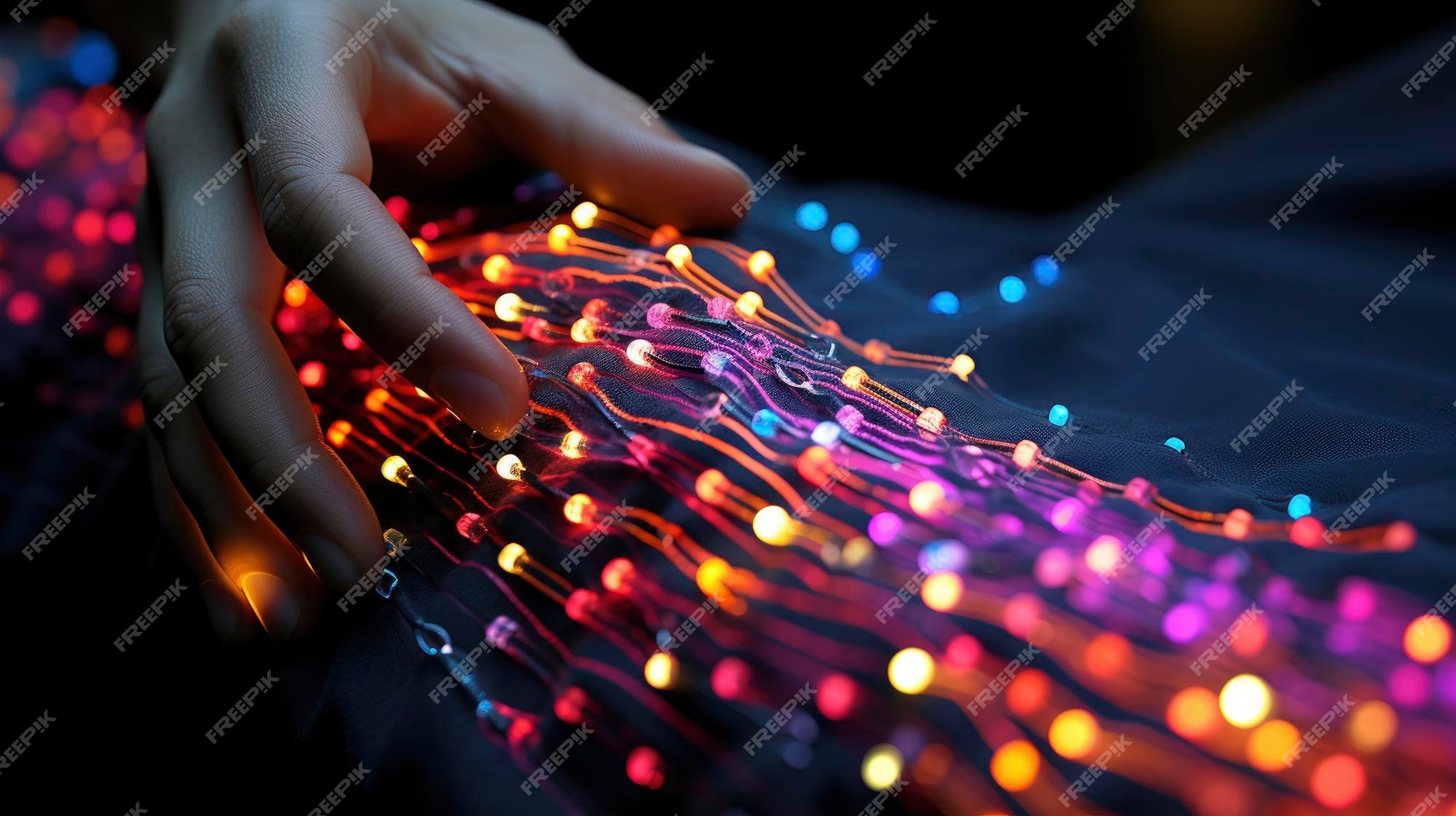

The intersection of fashion, technology, and making has given rise to an exciting trend in wearable technology and e-textiles. Makers are pushing the boundaries of what’s possible when electronics meet fabric, creating innovative and often stylish wearables that go far beyond smartwatches and fitness trackers.
E-textiles, also known as smart fabrics, are at the forefront of this trend. These are fabrics that incorporate conductive threads, allowing for the seamless integration of electronics into clothing and accessories. Makers are using these materials to create everything from LED-embedded dresses that respond to sound or movement, to jackets with built-in heating elements controlled by smartphone apps.
The development of flexible and stretchable electronics has opened up new possibilities for wearable projects. Makers are now able to create devices that conform to the body’s contours, leading to more comfortable and practical wearables. This includes thin, flexible sensors that can be used for health monitoring, or soft, pliable batteries that can be integrated into clothing without adding bulk.
Biometric sensing is a key area of focus in wearable maker projects. DIY enthusiasts are creating gloves that can translate sign language into text, socks that monitor foot health for diabetics, and shirts that track posture and provide feedback for correction. These projects showcase the potential of wearables to improve health and accessibility.
Interactive and responsive clothing is another exciting area of exploration. Makers are designing garments that change color based on the wearer’s mood or environmental conditions, accessories that light up in response to social media notifications, and even dresses that can change shape or pattern on command.
The maker community is also addressing the challenge of powering wearable devices sustainably. Projects exploring energy harvesting from body heat or movement are becoming more common, as are wearables powered by flexible solar cells integrated into the fabric itself.
Education and accessibility are crucial to the growth of this trend. Online communities and local makerspaces are offering workshops on e-textile basics, teaching skills like sewing with conductive thread and programming microcontrollers for wearable applications. Open-source hardware platforms designed specifically for wearables, like the LilyPad Arduino, are making it easier for beginners to get started in this field.
As wearable technology continues to evolve, we can expect to see even more innovative projects that blur the line between fashion and technology. The maker community’s creativity and problem-solving skills are driving this trend forward, potentially revolutionizing how we interact with technology in our daily lives.