
“`html
In the landscape of education, change is often met with resistance. Yet, the advent of competency-based education (CBE) is a powerful shift that is gaining traction, particularly in the face of outdated traditional grading systems. Understanding this new approach is crucial for educators, students, and even parents, as it fundamentally redefines how learning is measured and valued.
Understanding Competency-Based Education
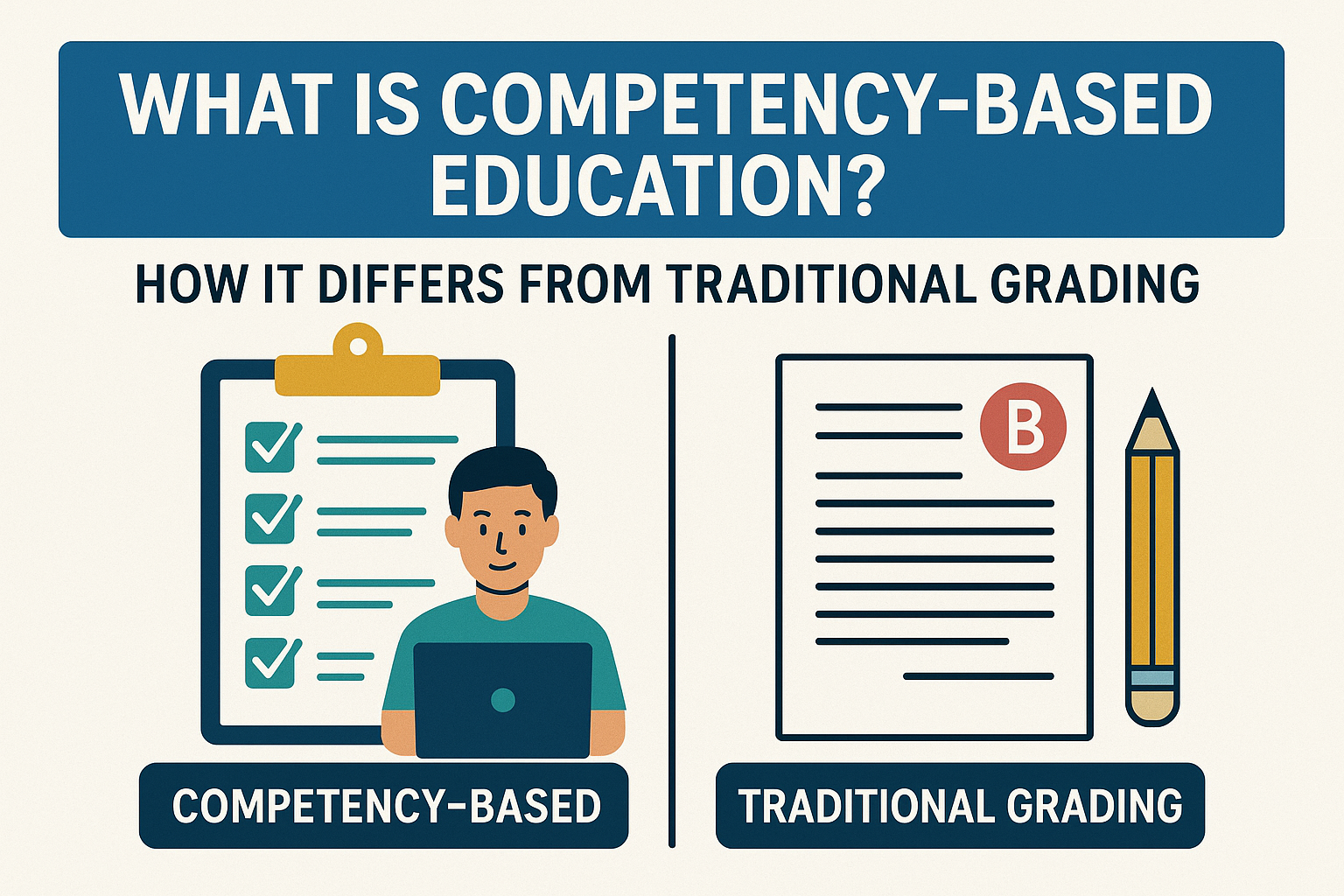
Competency-based education is an innovative framework that emphasizes mastery of skills and knowledge over the conventional measures of assessment, such as grades and standardized tests. In this model, students progress through their education by demonstrating their ability to apply what they’ve learned, rather than simply accumulating scores over time. The key idea here is that education should be personalized; each student’s learning pace and style are respected, allowing them to take control of their educational journey.
This method is rooted in the belief that all students can succeed if given the right resources and opportunities. It recognizes that learners come from diverse backgrounds and have unique strengths and weaknesses. Consequently, CBE is designed to ensure that students can demonstrate their knowledge and skills in real-world applications, making learning more relevant and practical.
The Key Features of Competency-Based Education
There are several defining characteristics of competency-based education that differentiate it from traditional educational methods:
- Mastery Learning: Students must demonstrate a deep understanding of a subject before moving on to the next topic. This mastery allows learners to build a robust foundation of knowledge.
- Individualized Learning Paths: CBE recognizes that each student learns differently. Tailored learning paths cater to individual needs, allowing students to progress at their own pace.
- Real-World Relevance: The focus on practical application means that students engage with real-world problems and projects that reflect the skills needed in the workplace.
- Flexible Assessment: Assessments in CBE are varied and ongoing, providing multiple opportunities for students to demonstrate their competencies rather than relying solely on high-stakes testing.
- Continuous Feedback: Students receive continuous feedback throughout their learning process, enabling them to identify areas for improvement and refine their understanding.
How Competency-Based Education Differs from Traditional Grading
Traditional grading systems often rely on a fixed schedule where students receive letter grades based on a weighted average of scores from various assessments such as quizzes, tests, and assignments. This method typically adheres to a one-size-fits-all approach, where students advance at a uniform pace regardless of their individual comprehension levels.
In contrast, competency-based education allows for a more fluid understanding of progress. Here’s how the two systems differ fundamentally:
1. Emphasis on Mastery vs. Accumulation of Points
In traditional grading systems, students often move forward even if they haven’t fully grasped a subject, as long as they achieve a passing score. This can lead to knowledge gaps that complicate future learning. With CBE, the focus is on mastery. Students must demonstrate that they can apply what they’ve learned before progressing to more advanced material.
2. Student-Centered Learning vs. One-Size-Fits-All
Competency-based education is inherently student-centered. It recognizes that learners have different paces and styles of learning. In contrast, traditional grading can often push students through a standardized curriculum that may not suit their individual needs. CBE allows for personalized learning experiences that cater to each student’s strengths, weaknesses, and interests. (See: U.S. Department of Education on CBE.)
3. Formative Feedback vs. Summative Assessment
Traditional assessments often focus on summative evaluation—students receive grades that reflect their performance at the end of a unit or course. In CBE, formative feedback is integral; students receive ongoing assessments that inform their learning process and can be used to improve their understanding continuously.
4. Real-World Application vs. Theoretical Knowledge
Competency-based education is rooted in the application of knowledge. Students engage in projects and real-world challenges that require them to use their skills practically. Traditional grading often emphasizes theoretical understanding, which may not always translate effectively to real-life situations.
Current Trends in Competency-Based Education
As public discourse around education continues to evolve, many institutions are beginning to recognize the potential of competency-based education. Here are some current trends:
- Increased Adoption in Higher Education: Universities and colleges are increasingly incorporating CBE into their programs. Institutions like Western Governors University have fully embraced this model, offering degrees based solely on competency.
- Integration of Technology: Technology plays a significant role in facilitating CBE. Learning management systems and online platforms provide personalized learning experiences, allowing students to track their progress and receive instant feedback.
- Policy Support: Education policies at both state and federal levels are beginning to support the shift toward competency-based models. Initiatives that promote personalized learning are gaining traction, influencing how funding and resources are allocated.
- Focus on Transferable Skills: There is a growing emphasis on ensuring that students develop transferable skills such as critical thinking, problem-solving, and collaboration. These competencies are crucial for success in modern workplaces.
Challenges and Critiques of Competency-Based Education
While the potential of competency-based education is significant, it is not without its challenges. Some critiques include:
1. Implementation Difficulties
Transitioning from traditional grading to a competency-based model can be daunting for educators and institutions. It requires restructuring curricula, training staff, and often, a cultural shift in how learning is perceived.
2. Assessment Validity
There is ongoing debate over the validity of assessments used in CBE. Ensuring that assessments accurately measure competency without bias poses a significant challenge.
3. Resource Intensity
Competency-based education requires substantial resources—both in terms of time and technology. For some institutions, particularly those with limited funding, this can be a roadblock to implementation.
4. Resistance to Change
Many educators and stakeholders are accustomed to traditional grading systems, making them resistant to change. Overcoming this reluctance is essential for successful implementation.
Practical Insights for Implementing Competency-Based Education
If you’re an educator or administrator considering a shift to competency-based education, here are some practical insights to guide your implementation: (See: Higher Education Competency-Based Education.)
- Start Small: Consider piloting CBE in a single course or program before implementing it across the board. This allows for adjustments based on feedback and outcomes.
- Engage Stakeholders: Involve students, parents, and faculty in the transition process. Their input can provide valuable insights and foster a sense of ownership.
- Utilize Technology: Leverage learning management systems and digital tools to track progress and provide individualized learning experiences.
- Focus on Professional Development: Invest in training for educators to ensure they are equipped to facilitate competency-based learning effectively.
- Be Transparent: Clearly communicate the goals and processes of CBE to all stakeholders to build understanding and support.
The Future of Competency-Based Education
The future of competency-based education seems promising as more institutions recognize its potential to create a more equitable and effective learning environment. As we move forward, we can expect to see:
- Broader Acceptance: As success stories emerge, more schools and universities will likely adopt competency-based frameworks.
- Enhanced Collaboration: Institutions may collaborate to create shared competency frameworks that ensure consistency and rigor across programs.
- Growth of Online Learning: The expansion of online education will further facilitate the growth of CBE, allowing learners from diverse backgrounds to access personalized learning experiences.
As the educational landscape continues to evolve, embracing competency-based education could be the key to unlocking the full potential of learners everywhere. By focusing on mastery and real-world applications, we can prepare students not just for tests, but for life beyond the classroom. The movement towards competency-based education signals a transformative time for learning, one where students truly take the reins of their educational journeys.
Examples of Competency-Based Education Models
Several institutions have successfully implemented competency-based education, serving as models for others to follow. Here are a few notable examples:
Western Governors University (WGU)
WGU is a pioneer in competency-based education, offering online degrees that allow students to progress at their own pace. Students in WGU’s programs can advance through coursework as soon as they demonstrate mastery of the subject matter. This model has led to increased graduation rates and student satisfaction.
University of Michigan’s College of Engineering
The University of Michigan has integrated competency-based education into its engineering curriculum. Students undergo hands-on projects that require them to apply engineering principles in real-world scenarios. This approach not only ensures mastery but also prepares graduates for industry challenges.
Capella University
Capella University employs a competency-based learning model known as FlexPath. This allows students to take control of their learning by completing courses at their own pace. They can focus on mastering competencies and earn credits based on their proficiency rather than the time spent in class.
Statistics on Competency-Based Education
As competency-based education continues to gain momentum, various studies and statistics highlight its impact:
- According to a report from the New America Foundation, over 600 educational institutions in the U.S. have adopted some form of competency-based education as of 2020.
- Research shows that CBE can increase student retention rates by up to 15% compared to traditional educational models.
- A study published in the Journal of Educational Psychology found that students participating in CBE programs scored 30% higher on standardized assessments compared to peers in conventional settings.
Frequently Asked Questions About Competency-Based Education
What are the main benefits of competency-based education?
The main benefits include personalized learning experiences, mastery of skills, increased student engagement, and better preparation for real-world challenges. Students can learn at their own pace, ensuring they fully understand material before progressing.
Is competency-based education suitable for all students?
While CBE can be beneficial for many students, it may not be the best fit for everyone. Some learners thrive under structured environments, while others may excel with the flexibility offered by CBE. It’s essential to assess individual needs and learning styles.
How are assessments conducted in competency-based education?
Assessments in CBE are varied and continuous. They may include projects, practical applications, quizzes, and peer evaluations, rather than relying solely on traditional tests. This allows students to demonstrate their competencies in diverse ways.
What challenges might educators face when implementing CBE?
Educators may face challenges such as resistance to change, limited resources, and the need for professional development. Ensuring that assessments effectively measure competencies without bias can also be a significant concern.
Can competency-based education be integrated into existing curricula?
Yes, CBE can often be integrated into existing curricula by restructuring content delivery and assessment methods. It allows for a blending of traditional and innovative practices to meet diverse learning needs.
Competency-based education presents a transformative approach to learning that can better equip students for their futures. By focusing on mastery and real-world applications, it not only enhances educational outcomes but prepares students to navigate the complexities of life beyond the classroom.
“`
Trending Now
Frequently Asked Questions
What is competency-based education?
Competency-based education (CBE) is an innovative educational framework that prioritizes mastery of skills and knowledge over traditional grading systems. In CBE, students advance by demonstrating their ability to apply what they've learned, allowing for a personalized learning experience that respects individual learning paces and styles.
How does competency-based education differ from traditional grading?
Unlike traditional grading systems that focus on accumulating scores, competency-based education emphasizes mastery learning, where students must fully understand a subject before progressing. This approach supports individualized learning paths and highlights the practical application of knowledge, making education more relevant to real-world scenarios.
What are the benefits of competency-based education?
The benefits of competency-based education include personalized learning experiences tailored to individual student needs, a focus on mastery of skills, and the relevance of learning to real-world applications. This model helps ensure that all students can succeed by providing the right resources and opportunities.
Who can benefit from competency-based education?
Competency-based education can benefit a wide range of learners, including students from diverse backgrounds with varying strengths and weaknesses. It is particularly effective for those who may struggle within traditional educational frameworks, as it allows them to learn at their own pace and achieve mastery in subjects.
What are key features of competency-based education?
Key features of competency-based education include mastery learning, which requires a deep understanding before advancing, individualized learning paths that cater to unique student needs, and a focus on real-world relevance, ensuring that what students learn can be applied in practical situations.
What did we miss? Let us know in the comments and join the conversation.