

“`html
As parents, caregivers, and educators, we often find ourselves observing how toddlers interact with one another. One intriguing aspect of their social development is a phenomenon known as parallel play. This behavior may seem simplistic at first glance, but it plays a crucial role in how toddlers learn to navigate their social world. In this article, we’ll explore what parallel play is, its significance in toddler development, and how caregivers can foster healthy social interactions among children.
What Is Parallel Play?
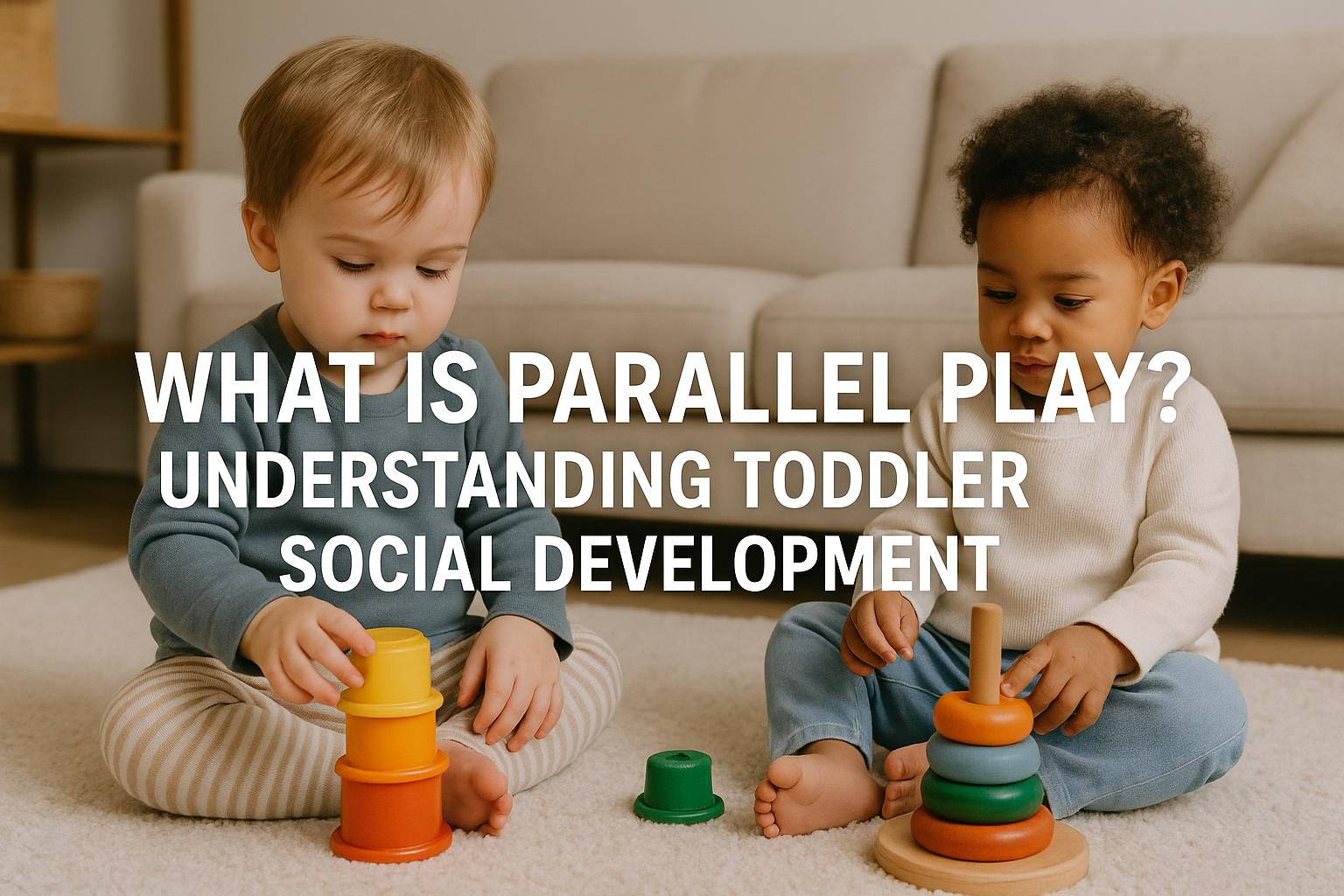
Parallel play refers to a stage in child development where toddlers play alongside each other without directly interacting. This form of play typically occurs between the ages of 2 and 3 years old. While children engaged in parallel play may not collaborate or communicate with one another, they are nonetheless aware of each other’s presence. Often, you’ll see children playing with similar toys or in the same area but focused on their own activities.
The concept of parallel play is closely linked to child development theories proposed by psychologists like Lev Vygotsky and Jean Piaget. According to Piaget, this stage represents the beginning of a child’s social development where they start to understand the concept of others as separate individuals. Although they are not yet sharing or cooperating, they are beginning to learn valuable social skills simply by being near their peers.
The Importance of Parallel Play in Toddler Development
Understanding parallel play is essential for recognizing its role in early childhood development. Here are several key aspects of why this stage is significant:
- Social Awareness: Even though children might not be interacting, they are observing each other. This awareness forms the foundation for future social interactions.
- Imitation: Toddlers learn a great deal through imitation. Watching their peers can inspire them to try new activities or develop new skills.
- Emotional Regulation: While playing independently next to their peers, children learn to manage their emotions better. They might be excited, frustrated, or curious, but remaining in a shared space helps them navigate these feelings.
- Autonomy: Parallel play allows children to explore their interests independently while still being part of a social environment. This balance fosters a sense of autonomy, which is critical at this developmental stage.
How Parallel Play Develops Over Time
While parallel play is a significant developmental milestone, it doesn’t last indefinitely. As children grow, their play patterns evolve. Here’s a typical progression:
- Solitary Play: Before engaging in parallel play, many toddlers first participate in solitary play, where they focus entirely on their own activities without regard for others.
- Parallel Play: As children become more social, they engage in parallel play, typically around the ages of 2 to 3. During this stage, they often play with similar toys and in proximity to others.
- Associative Play: Around age 3, children often transition to associative play, where they begin to interact more, sharing toys and idea exchanges, even if they are still playing separately.
- Cooperative Play: By the age of 4 to 5, most children engage in cooperative play, which involves working together towards a common goal and sharing ideas, toys, and spaces.
This progression emphasizes how children gradually move from individual play to more complex social interactions. Recognizing this growth can help caregivers provide appropriate support and encouragement. (See: Child development overview on Wikipedia.)
Signs of Parallel Play in Toddlers
As you observe toddlers, you might notice specific behaviors that indicate they are engaging in parallel play. Here are some common signs:
- Proximity: Young children playing side by side while focusing on their own toys is the primary indicator of parallel play. They may occasionally glance at each other or mimic actions but remain engrossed in their activities.
- Similar Activities: Often, toddlers in parallel play will choose similar types of toys or games, such as two children playing with blocks or coloring in the same area.
- Limited Interaction: Although they may talk about their activities, the interaction is usually minimal. If one child engages another, it’s often brief and doesn’t lead to collaborative play.
Understanding these signs can help caregivers gauge whether children are developing in a healthy social manner. Remember, engaging in parallel play is a natural part of their development and not a cause for concern.
Encouraging Parallel Play Among Toddlers
As a parent or caregiver, you can foster parallel play among toddlers in several ways:
- Provide Shared Spaces: Create environments where toddlers can play near each other. Playdates in safe, open spaces can encourage this behavior.
- Offer Similar Toys: Stock your play area with a variety of toys that can engage toddlers, like blocks, coloring materials, or puzzles, which they can use side by side.
- Avoid Forcing Interaction: It’s essential to let toddlers play at their own pace. Forcing interaction before they are ready can lead to frustration.
- Model Social Behavior: As a caregiver, you can model friendly behavior. When toddlers see adults interacting positively, they’re likely to mimic that behavior.
Encouraging parallel play can set the stage for further social development, helping children transition to associative and cooperative play as they grow.
When to Be Concerned: Signs of Social Development Issues
While parallel play is a typical stage in toddler development, there are times when it may be a cause for concern. Here are some signals that a child may be experiencing social development issues:
- Lack of Engagement: If a child consistently plays alone and shows little to no interest in other children, it might indicate difficulty in social engagement.
- Delayed Development: By age 3, children should naturally transition from parallel play to associative play. If they remain stuck in parallel play without moving forward, it might warrant further investigation.
- Behavioral Issues: Frequent tantrums, aggression, or excessive shyness in social situations can also be signs of underlying social development concerns.
In such cases, consulting a pediatrician or a child psychologist can provide valuable insights. Early intervention can be critical in helping children develop necessary social skills.
Current Relevance: Parallel Play in a Digital Age
In our increasingly digital world, the dynamics of parallel play may be shifting. With the rise of technology, children are exposed to screens at a younger age. This shift has implications for how toddlers interact with one another: (See: CDC on child development.) This builds on top programs for child development.
- Reduced Face-to-Face Interaction: With more children opting for solitary screen time, opportunities for parallel play with peers might be declining. This can stifle their social skills.
- Virtual Playdates: The pandemic has popularized virtual playdates, where children connect through screens. While this can be beneficial, it may lack the essential elements of parallel play that come from physical proximity.
- Screen Time Regulations: Parents and caregivers should be mindful of balancing screen time with opportunities for physical play and social interactions. Engaging in activities that encourage parallel play can offset the negative impacts of excessive screen use.
As caregivers, it’s essential to create a healthy balance between technology use and traditional play, allowing toddlers to develop their social skills effectively.
Additional Strategies to Enhance Parallel Play
Fostering parallel play doesn’t stop with providing toys and space. Here are some additional strategies to enhance this important stage of development:
- Structured Playdates: Organize playdates where activities are loosely structured but allow for plenty of opportunities for parallel play. Activities like painting, building blocks, or playing in a sandbox can encourage toddlers to engage in parallel play while enjoying a shared experience.
- Rotate Toys: Keeping the toy selection fresh can reignite interest in parallel play. Introducing new toys or rotating the existing ones can inspire toddlers to explore in the company of their peers.
- Encourage Outdoor Play: Nature and outdoor settings provide a rich ground for exploration. Allowing toddlers to play outside can boost their engagement levels and facilitate parallel play as they discover their environment together.
- Positive Reinforcement: Celebrate moments when toddlers engage in parallel play. Positive reinforcement can encourage them to seek out these interactions again in the future.
Real-Life Examples of Parallel Play
Understanding parallel play is often easier when viewed through real-life examples. Here are a couple of scenarios that illustrate this behavior:
- Scenario 1: Two toddlers, Emma and Jake, are playing in a playroom. Emma is building a tower with blocks while Jake is engrossed in coloring a picture. They are sitting close to each other, occasionally glancing at each other’s work, but they are focused on their individual tasks. Emma smiles when she sees Jake’s colorful drawing, but they do not exchange words or share toys. This is a clear example of parallel play.
- Scenario 2: At a park, two toddlers, Mia and Noah, are playing with toy cars. Mia races her red car on the edge of the sandbox, while Noah drives his blue car on the nearby pathway. They occasionally watch each other’s cars zoom by but remain absorbed in their own play. Here, the park setting facilitates their parallel play, allowing them to be physically close without the pressure of direct interaction.
Benefits of Parallel Play: A Broader Perspective
Parallel play contributes to a range of developmental benefits that stretch beyond immediate social skills. Some of the broader advantages include:
- Foundation for Teamwork: Engaging in parallel play lays groundwork for future teamwork. As children learn to play alongside others, they inadvertently pick up cues about collaboration, sharing, and mutual respect.
- Boosted Creativity: Independent play fosters creativity. Children often come up with unique scenarios and stories while playing alone, which can flourish when they observe peers engaging in different forms of play.
- Conflict Resolution Skills: Observing how peers tackle challenges can help toddlers learn conflict resolution skills indirectly. For instance, they might witness a peer overcoming frustration with a toy, which could inspire them to use problem-solving techniques on their own.
Frequently Asked Questions About Parallel Play
What age do toddlers typically start parallel play?
Parallel play usually begins around the age of 2, as toddlers become more aware of their surroundings and peers but aren’t yet ready to interact cooperatively.
How long does parallel play last?
This stage typically lasts until about age 3, when children may begin transitioning to associative play, where they start to engage and interact more with their peers.
Is parallel play a sign of social development issues?
No, parallel play is a normal part of child development. However, if a child remains in this stage well beyond age 3 without progressing, it can be a sign to consult a pediatrician.
How can I tell if my toddler is ready to move to cooperative play?
Signs that a toddler is ready for cooperative play include sharing toys, initiating games with others, and showing an interest in group activities. Involvement in more structured playdates can also help facilitate this transition.
Can parallel play occur in a group setting like daycare?
Absolutely! In a daycare or preschool setting, toddlers often engage in parallel play naturally. Caregivers can facilitate environments where parallel play thrives by providing varied and engaging toys while allowing space for individual play.
Final Thoughts
Parallel play is a natural and vital stage in toddler development that serves as a foundation for future social interactions. By providing the right environment and opportunities for toddlers to engage in parallel play, caregivers can foster social awareness, emotional regulation, and independent exploration. Remember, while it might seem like simple play, it’s a crucial stepping stone in a child’s journey toward social competence. By understanding and supporting parallel play, you’re not just watching toddlers play; you’re actively participating in their development.
“`
Trending Now
- Unlock Your Potential: A Frontend Developer Course Opportunity with Quinncia Inc
- the complete explanation
- Difficult Temperament vs. ADHD: How to Tell the Difference
- our breakdown of how to parent according to your child’s temperament type
- our breakdown of object permanence and cognitive development: piaget’s theory explained
Frequently Asked Questions
What is parallel play in toddlers?
Parallel play is a stage in child development where toddlers play alongside each other without direct interaction, typically occurring between ages 2 and 3. While they may not communicate or collaborate, they are aware of each other's presence and often engage with similar toys or activities.
Why is parallel play important for child development?
Parallel play is crucial as it fosters social awareness, allowing toddlers to observe and learn from peers. This stage helps build foundational social skills, encourages imitation of new activities, and aids in emotional regulation as children navigate their social environment.
At what age do toddlers start parallel play?
Toddlers typically begin engaging in parallel play between the ages of 2 and 3 years old. This stage marks an important step in their social development as they start to understand the presence of other children as separate individuals.
How can caregivers encourage parallel play?
Caregivers can encourage parallel play by providing opportunities for toddlers to play in close proximity to other children, offering similar toys, and creating a safe, engaging environment. This allows toddlers to observe and learn from one another while exploring their own activities.
What are the stages of play in child development?
The stages of play in child development typically include solitary play, parallel play, associative play, and cooperative play. Parallel play, occurring around ages 2 to 3, is where toddlers play beside each other, laying the groundwork for later stages of social interaction.
Have you experienced this yourself? We’d love to hear your story in the comments. We covered leading HBCU options in more detail.



