
“`html
In the ever-evolving landscape of education, scaffolding in education has emerged as a powerful strategy that caters to diverse learning needs. But what exactly is scaffolding, and how can it be effectively implemented across different grade levels? This comprehensive guide will explore the concept of scaffolding, its importance in the learning process, concrete examples for each grade level, and tips for educators seeking to enhance student engagement and understanding.
Understanding Scaffolding in Education
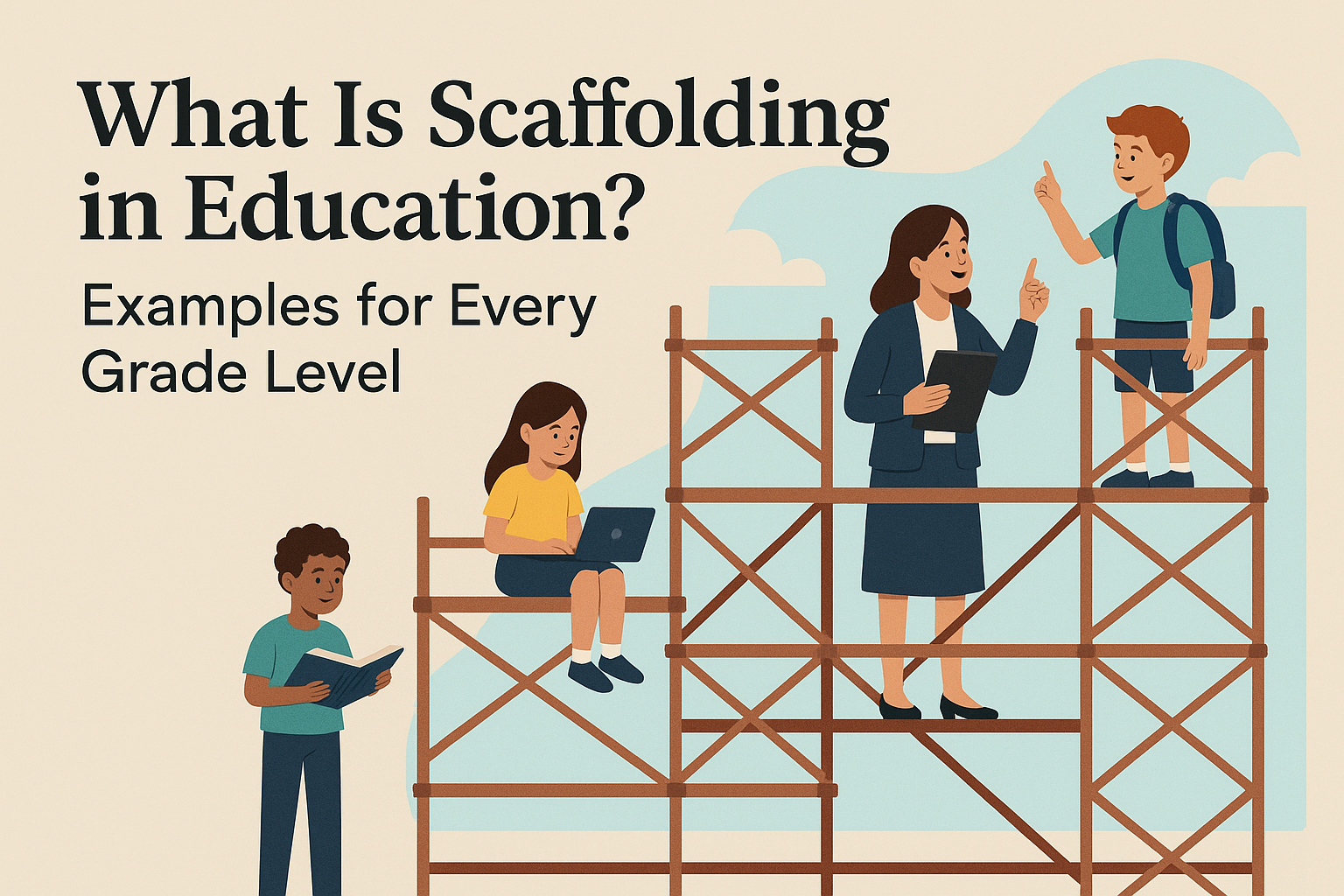
Scaffolding in education refers to the support that teachers provide to students as they learn new concepts and skills. Just like the physical scaffolding used in construction to support structures until they are strong enough to stand on their own, educational scaffolding offers temporary assistance to help students build their knowledge and confidence. This method is rooted in Vygotsky’s social development theory, which emphasizes the importance of social interaction in cognitive development.
The ultimate goal of scaffolding is to gradually transfer responsibility for learning from the teacher to the student. Educators often use a variety of techniques to create a supportive learning environment that enables students to progress through increasingly complex tasks and concepts. This approach not only aids in comprehension but also fosters independence, critical thinking, and problem-solving skills.
The Importance of Scaffolding
Implementing scaffolding is crucial for several reasons. First, it addresses the diverse learning needs of students, allowing them to access the curriculum at their own pace. Not all students learn in the same way or at the same speed; scaffolding recognizes these differences and provides targeted support. Second, it reduces anxiety and frustration by breaking down complex tasks into manageable steps, making learning less overwhelming.
Moreover, scaffolding encourages active participation. When students are engaged in their learning process, they are more likely to retain information and develop a deeper understanding of the material. This engagement is particularly important in an age where students can easily become disengaged, especially when faced with challenging academic content.
Effective Scaffolding Techniques
There are several effective techniques for implementing scaffolding in education. Here are a few approaches educators can consider:
- Modeling: Demonstrating a task or concept helps students grasp the expectations and methods they need to follow. For instance, a teacher might solve a math problem aloud, showing their thought process step-by-step.
- Chunking: Breaking down information into smaller, more digestible parts allows students to focus on one aspect of the learning task at a time. This can be especially helpful in subjects like reading or mathematics.
- Use of Visual Aids: Incorporating charts, diagrams, and other visual tools can help clarify complex ideas and provide students with a reference point as they work through tasks.
- Guided Practice: Offering structured practice sessions where the teacher provides feedback and support can help students reinforce their understanding and gain confidence.
- Prompts and Cues: Providing hints or questions to guide students toward the correct answer can encourage critical thinking without giving away solutions.
Scaffolding Across Different Grade Levels
Scaffolding techniques can be adapted to meet the needs of students at various age levels, from early childhood through high school. Let’s explore how scaffolding can be applied within different grade levels. (See: Scaffolding in education – Wikipedia.)
Early Childhood (Pre-K to Grade 2)
In early childhood education, scaffolding is often informal and integrated into play-based learning. Educators might start by modeling behaviors or skills, such as building with blocks or sharing toys. For example, if children are learning to count, a teacher might count blocks with them, guiding their understanding of numbers through hands-on experiences.
As students progress, teachers can implement more structured activities, like guided reading sessions where they assist students in decoding words. This support helps young learners build their foundational skills while encouraging independence as they become more confident readers.
Elementary School (Grades 3 to 5)
In elementary school, scaffolding can become more explicit. Teachers can use graphic organizers to help students outline their thoughts before writing an essay or report. For instance, a fifth-grade teacher might provide a fill-in-the-blank outline for a book report, guiding students on how to organize their ideas effectively.
Additionally, collaborative learning can play a significant role. By placing students in groups, teachers create opportunities for peer support. A skilled teacher might assign roles within the group—such as note-taker, presenter, or researcher—allowing students to rely on each other as they work through projects.
Middle School (Grades 6 to 8)
As students transition to middle school, the scaffolding strategies should evolve to match their developing independence. Teachers can encourage students to take ownership of their learning by incorporating self-assessment tools. For example, after completing a project, students might use a rubric to evaluate their work and reflect on areas for improvement.
Moreover, teachers can introduce socratic questioning during discussions to foster critical thinking. By asking open-ended questions, educators can guide students to explore concepts more deeply. For instance, instead of directly answering a question about a historical event, a teacher might ask, “What were the possible motivations for the actions of the key figures involved?” This allows students to engage in dialogue and arrive at insights collaboratively.
High School (Grades 9 to 12)
In high school, scaffolding can become increasingly sophisticated. Teachers can facilitate complex projects that require students to synthesize information from multiple sources. For instance, a research project on climate change might begin with short readings and discussions, gradually leading students to more independent research.
Additionally, high school educators can utilize technology as a scaffold. Online discussion platforms can encourage students to share ideas and receive feedback from peers and teachers alike. Using tools like Google Docs for collaborative writing allows students to edit and provide input on each other’s work in real-time, promoting a sense of community and shared learning. (See: CDC on learning and education.)
Challenges of Scaffolding in Education
While scaffolding can be incredibly effective, it’s not without challenges. One of the primary difficulties educators face is balancing the amount of support they provide. Too much guidance can hinder a student’s independence, while too little can leave them feeling lost. Finding the right balance requires careful observation and ongoing assessment of student needs.
Another challenge is the variability in student readiness. In a typical classroom, student abilities can vary significantly, making it difficult for a teacher to implement scaffolding strategies that meet every learner’s needs. Differentiated instruction is essential in these cases; educators may need to adapt their scaffolding techniques based on individual student profiles.
Current Relevance of Scaffolding in Education
As we move further into the 21st century, the relevance of scaffolding in education becomes increasingly apparent. With an emphasis on personalized learning and student-centered approaches, scaffolding offers a framework that supports these initiatives. Moreover, as educational systems worldwide grapple with the challenges posed by remote learning and technology integration, scaffolding strategies can facilitate effective online instruction.
For instance, during the COVID-19 pandemic, teachers had to pivot to remote learning almost overnight. Many educators found that scaffolding techniques were vital in maintaining student engagement. From virtual breakout rooms for collaborative learning to interactive digital tools that provide instant feedback, scaffolding has proved adaptable to modern educational challenges.
Expert Perspectives on Scaffolding
Experts in education emphasize the need for scaffolding as a fundamental teaching strategy. Dr. Barbara D. Wiggins, an education researcher, notes that “scaffolding allows teachers to meet students at their current level of understanding and guide them to new heights.” This reflects the importance of tailored instruction that scaffolding provides. By adjusting the level of support based on student performance, teachers can create an environment that maximizes potential and promotes growth.
Similarly, Dr. Robert Marzano, a well-known educational researcher, states that effective feedback is a cornerstone of successful scaffolding. He advocates for continuous formative assessments that inform educators about each student’s progress, allowing them to modify their scaffolding approach in real-time. As educators adopt these insights, they can refine their practices to enhance student outcomes.
Comparative Analysis of Scaffolding vs. Traditional Teaching Methods
While scaffolding is a modern educational technique, traditional teaching methods often emphasize a more one-size-fits-all approach. In traditional classrooms, the focus can be largely on direct instruction, where teachers lecture and students passively receive information. This method can lead to gaps in understanding, particularly for students who may struggle with the material.
In contrast, scaffolding encourages active learning through interaction and engagement. For example, in a traditional setting, a teacher might present a complex math concept without breaking it down. In a scaffolding environment, the teacher would first introduce simpler concepts, guide students through practice problems, and gradually increase difficulty as competence builds. This tailored progression not only helps students understand the material but also fosters a sense of accomplishment as they master each step.
FAQ About Scaffolding in Education
What is the primary goal of scaffolding in education?
The primary goal of scaffolding is to support students as they learn new concepts and skills, gradually transferring the responsibility for learning from the teacher to the student. This helps foster independence and confidence in their abilities.
How can I know when to fade support in scaffolding?
Teachers can monitor student progress through observations, assessments, and discussions. When students consistently demonstrate proficiency in a skill or concept, it may be time to reduce the level of support and encourage more independent practice.
Can scaffolding be used effectively in remote learning?
Absolutely! Scaffolding can be adapted for remote learning through the use of digital tools, resources, and virtual collaboration platforms. Teachers can provide structured support and feedback through online discussions and interactive activities, ensuring students continue to receive the guidance they need.
What are some common mistakes to avoid when implementing scaffolding?
- Over-scaffolding: Providing too much support can prevent students from developing independence.
- Neglecting individual needs: Not all students require the same level of support. It’s essential to differentiate scaffolding based on each student’s unique needs.
- Failing to fade support: Once students show proficiency, it’s crucial to gradually reduce assistance to help them build confidence.
The Path Forward
Scaffolding in education is not just a teaching technique; it’s an essential framework that enhances the learning experience for students of all ages. By understanding its principles and applying practical strategies, educators can create rich learning environments that foster independence, critical thinking, and a love for learning. In a world where educational landscapes are continually changing, embracing scaffolding techniques can prepare students not only for academic success but also for lifelong learning.
“`
Trending Now
Frequently Asked Questions
What is scaffolding in education?
Scaffolding in education refers to the support teachers provide to students as they learn new concepts and skills. This method helps students build knowledge and confidence, similar to physical scaffolding in construction, by offering temporary assistance until they can work independently.
Why is scaffolding important in the classroom?
Scaffolding is important because it addresses diverse learning needs, allowing students to access the curriculum at their own pace. It reduces anxiety by breaking down complex tasks into manageable steps and promotes active participation and engagement in learning.
How can scaffolding be applied in different grade levels?
Scaffolding can be applied across grade levels by tailoring support to students' developmental stages. For instance, younger students may benefit from visual aids, while older students might need guided discussions or structured frameworks to tackle complex tasks.
What are some examples of scaffolding techniques?
Examples of scaffolding techniques include using graphic organizers, providing step-by-step instructions, modeling problem-solving strategies, and encouraging peer collaboration. These techniques help students gradually take on more responsibility for their learning.
How does scaffolding support student independence?
Scaffolding supports student independence by gradually transferring responsibility for learning from the teacher to the student. As students master concepts with initial guidance, they become more confident and capable of tackling challenges on their own.
What’s your take on this? Share your thoughts in the comments below — we read every one.