

“`html
Understanding the stages of child development is critical for parents, educators, and caregivers. One crucial aspect of this development is the concept of associative play skills in children. This type of play involves children interacting with one another in a more cooperative manner, sharing materials, and engaging in similar activities while maintaining their individual play. The development of these skills is not just a byproduct of growing up; it’s a vital component of socialization that influences interpersonal skills throughout life.
What Are Associative Play Skills?
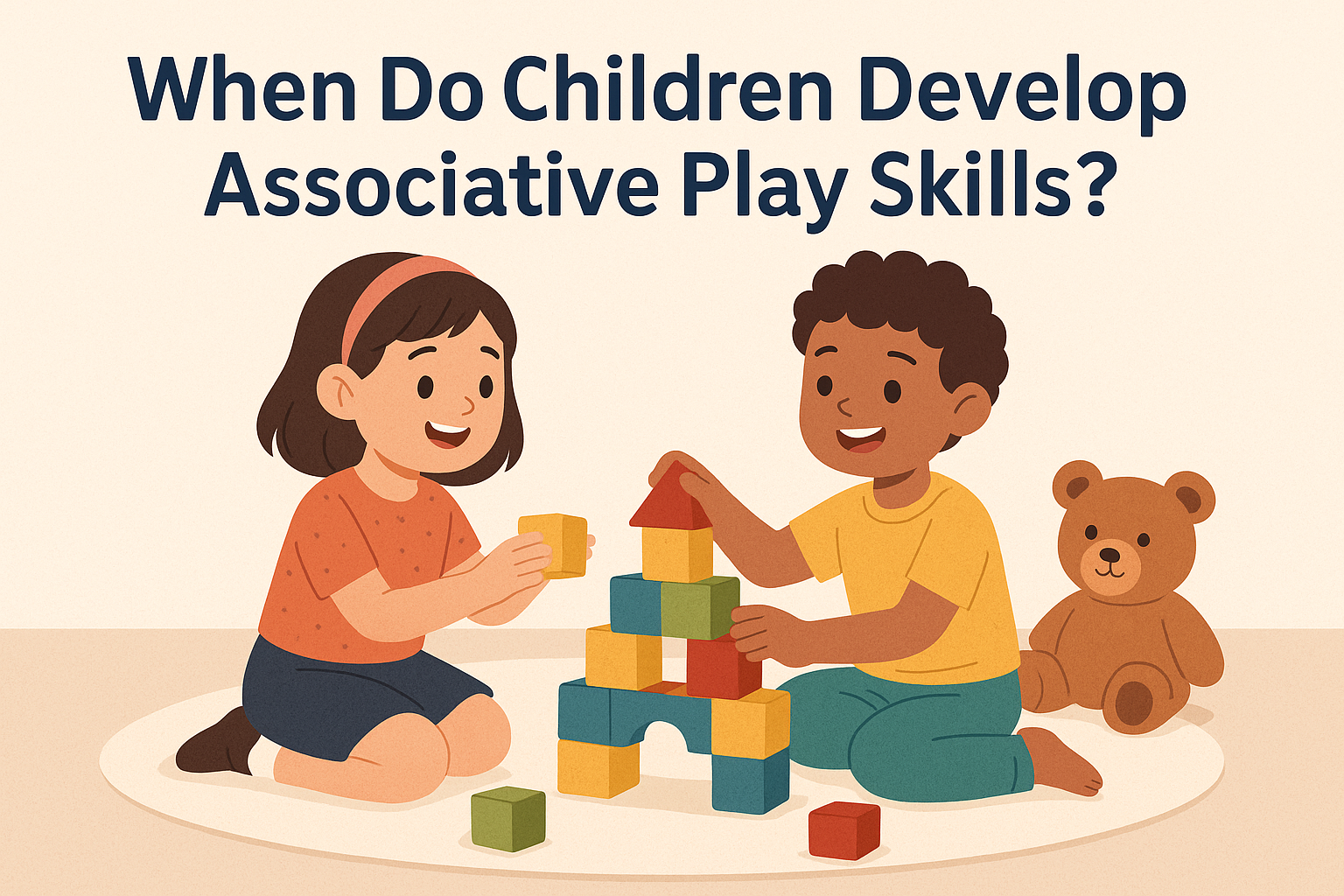
Before diving into when children develop these skills, it’s essential to define what associative play entails. Associative play is typically seen in children aged 3 to 5 years. Unlike parallel play, where children play alongside each other but do not interact, associative play involves a higher level of interaction. During this stage, children begin to share toys, take turns, and engage in conversations about their play, even though they may be pursuing different goals within the same activity.
This form of play is fundamental for several reasons:
- Social Skills: It helps children learn how to communicate their thoughts and feelings effectively.
- Emotional Development: Engaging with peers during play can evoke a range of emotions, teaching children how to handle them.
- Cognitive Benefits: Children develop problem-solving skills and creativity as they navigate their interactions.
The Developmental Timeline of Associative Play
Associative play typically emerges as children transition from solitary and parallel play. This transition occurs around the ages of 3 to 4 years, although the timing can vary widely among children. Understanding the stages leading up to associative play can provide insight into a child’s social and emotional development.
1. Solitary Play (0-2 years)
During the early years, children engage primarily in solitary play. They focus on their activities, learning to manipulate objects and explore their environment without needing interaction with others. This stage is crucial for developing motor skills and sensory experiences. There’s a fuller look at cognitive milestones in kids.
2. Parallel Play (2-3 years)
As they approach the age of 2, children enter the parallel play stage. In this phase, children play alongside each other, often engaging in similar activities but without direct interaction. You might see two kids building blocks next to each other, yet they won’t share or communicate about their creations. This stage is essential as it lays the groundwork for future social interactions.
3. Associative Play (3-5 years)
By the time kids are around 3 years old, they start to exhibit associative play skills. They might not fully understand sharing and cooperation at this point, but they begin to seek out social interactions. For instance, they may negotiate roles in a game or share toys while maintaining their distinct play objectives. This is where the foundation of teamwork and communication starts to solidify.
Factors Influencing the Development of Associative Play Skills
Many factors can affect how and when children develop associative play skills. Understanding these can help parents and caregivers create supportive environments for their children to flourish socially. (See: associative play in child development.)
1. Individual Temperament
A child’s unique personality plays a significant role in their development of associative play. Some children are naturally more outgoing and eager to interact with peers, while others may be more reserved. Those with extroverted temperaments may dive headfirst into associative play, while introverted children might take longer to engage. Creating opportunities for play that cater to both personality types is essential.
2. Parenting Style
The approach parents take to encourage play also impacts the development of associative play skills. Authoritative parenting, which balances structure and support, tends to foster better social skills in children. Parents who actively engage in cooperative play and model sharing behaviors can provide children with the skills they need to engage with peers effectively.
3. Environment and Opportunities
Providing children with opportunities for social play is crucial. Group activities, playdates, and preschool settings offer chances for children to interact with others, facilitating the development of associative play skills. An environment rich in cooperative play experiences can significantly enhance these social skills.
Recognizing Signs of Associative Play
So, how can you tell if a child is engaging in associative play? Identifying these signs can help parents and educators understand where a child is in their social development.
1. Sharing and Taking Turns
One of the most apparent signs of associative play is the willingness to share toys and take turns. If a child is passing toys back and forth or waiting for their turn during a game, they are likely engaging in associative play.
2. Verbal Interaction
Children involved in associative play will often engage verbally with their peers. You may hear them discussing their activities or negotiating roles. This communication is critical for developing language skills and social understanding.
3. Role Duplication
Children may begin acting out roles seen in their environment, whether from stories, media, or real life. For example, they might pretend to be doctors, teachers, or superheroes, interacting with peers who play different roles in the same scenario. This role-playing enhances imaginative skills while fostering cooperative play.
Supporting the Development of Associative Play Skills
Supporting children’s development of associative play skills is essential for their emotional and social growth. Here are some practical strategies to consider:
1. Model Cooperative Play
Parents and caregivers can model cooperative play behaviors. Engage in games that require teamwork and communication, such as board games, construction activities, or group art projects. Show children how to share, take turns, and communicate effectively during these activities. (See: importance of play in learning.)
2. Create Play Opportunities
Organizing playdates or group activities can provide children with the necessary opportunities to practice associative play. Whether through structured activities like team sports or unstructured play in a park, facilitating peer interactions can accelerate the development of these skills.
3. Encourage Open Communication
Teach children appropriate ways to express their feelings and negotiate during play. For example, if conflicts arise during play, step in to guide them through conflict resolution and communication strategies. This support will help children feel more confident in their interactions.
The Lasting Impact of Associative Play Skills
The skills acquired during the associative play phase have lasting impacts on a child’s future interactions. Not only do these skills contribute to successful relationships in childhood, but they also lay the groundwork for adult interactions in various social and professional settings.
1. Building Empathy and Cooperation
Children who develop good associative play skills learn empathy and cooperation early on. They understand the importance of working together, sharing experiences, and considering others’ feelings—traits vital for personal and professional relationships later in life.
2. Enhancing Problem-Solving Abilities
During associative play, children encounter various social problems that require negotiation and compromise. These experiences enhance their problem-solving abilities as they learn to navigate complex social dynamics, which will serve them well in future endeavors.
Statistics on Social Play Development
Research highlights the significance of social play in early childhood development. Studies indicate that children who engage in associative play show a 40% increase in social skills compared to those who primarily engage in solitary play. Furthermore, children who participate in organized playgroups exhibit better emotional regulation and conflict resolution skills, with 65% reporting improved interactions with peers. These statistics underline the importance of encouraging associative play as a critical aspect of child development.
Expert Perspectives
Child development experts emphasize the value of associative play in fostering essential life skills. Dr. Sarah Thompson, a child psychologist, states, “Associative play is not just fun; it’s an integral part of social learning. Children develop the ability to read social cues and respond appropriately, which are skills that extend beyond childhood.” Her insights reflect the broader consensus in the field that the peer interactions during associative play are foundational for later social competence.
FAQ: Associative Play Skills in Children
What age do children typically begin associative play?
Associative play skills typically start to emerge around the ages of 3 to 5 years. However, individual development may vary, and some children may show these skills earlier or later.
How can I encourage my child to engage in associative play?
You can encourage associative play by arranging opportunities for your child to play with peers, providing toys that encourage sharing, and modeling cooperative behaviors. Playdates, group games, and community activities can be beneficial.
What are the differences between associative play and cooperative play?
Associative play involves children interacting and sharing during play but still pursuing their individual goals. Cooperative play, on the other hand, requires children to work together towards a common goal, such as building a sandcastle or playing a team sport.
How does associative play benefit children in the long term?
The skills learned through associative play, like communication, empathy, and problem-solving, are essential for successful relationships and careers later in life. They build a foundation for collaboration and social interaction that is crucial in adulthood.
Can children develop associative play skills without peer interaction?
While peer interaction is vital for developing associative play skills, caregivers can facilitate similar experiences through structured play with adults or siblings. These interactions can help children practice important social skills in a safe environment.
Conclusion: The Value of Associative Play Skills in Children
Recognizing and fostering associative play skills in children is not just about play; it’s about nurturing future adults who can communicate, empathize, and collaborate effectively. By understanding when these skills develop and how to support them, caregivers can make a significant impact on a child’s social and emotional well-being. Remember, the play that happens today is the foundation for the relationships and interactions they will build tomorrow. Investing time in encouraging associative play is investing in a child’s future success.
“`
Trending Now
Frequently Asked Questions
What is associative play in child development?
Associative play is a stage of play typically seen in children aged 3 to 5 years, where they interact with peers by sharing materials, taking turns, and engaging in conversations while pursuing different goals. It marks a progression from solitary and parallel play and is crucial for developing social skills, emotional understanding, and cognitive abilities.
At what age do children start associative play?
Children typically begin to develop associative play skills between the ages of 3 to 4 years. This stage follows solitary and parallel play, where they start interacting more with peers, sharing toys, and engaging in cooperative activities while still maintaining their individual play goals. Related reading: books for social skills.
Why is associative play important for children?
Associative play is vital for children's socialization as it helps them learn to communicate effectively, manage emotions, and develop problem-solving skills. Engaging with peers in this manner fosters creativity and enhances interpersonal skills that are important throughout life.
How can parents encourage associative play in children?
Parents can encourage associative play by providing opportunities for group activities, sharing toys, and facilitating playdates. Creating a supportive environment where children feel safe to interact with peers can help them develop these important social skills naturally.
What are the stages of play in child development?
The stages of play in child development include solitary play (0-2 years), parallel play (2-3 years), and associative play (3-5 years). Each stage marks a progression in social interaction, with associative play being a key phase where children start engaging more cooperatively with their peers.
Have you experienced this yourself? We’d love to hear your story in the comments.



