

“`html
When it comes to childhood development, one of the fundamental stages that parents and educators observe is what’s known as parallel play in children. This type of play occurs when kids play alongside each other without direct interaction, often using similar toys or engaging in similar activities. It’s a natural part of early childhood development and can tell us a lot about socialization, learning, and growth. But when should children move beyond this stage?
What is Parallel Play?
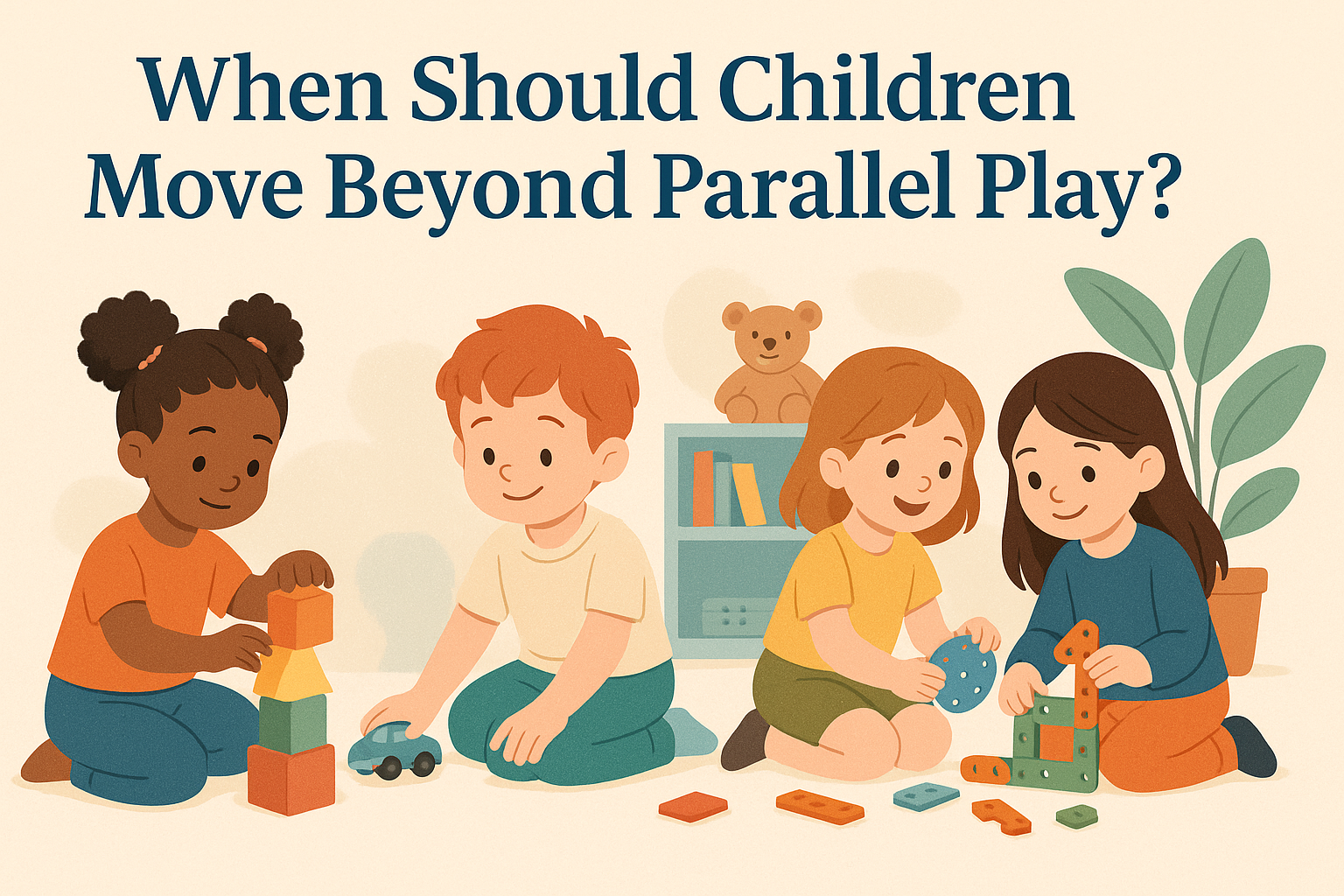
Parallel play is a term coined by developmental psychologist Jean Piaget. It refers to a form of play where children play independently while being physically close to each other. For example, you might see two toddlers playing with blocks—each creating their own tower—but not sharing or directly interacting. This type of play usually emerges around 2 to 3 years of age and is a normal and important part of child development.
During parallel play, children learn to engage with their environment and develop their own ideas, creativity, and problem-solving skills. They’re not just mimicking each other; they’re learning critical skills that will be essential for their future social interactions.
The Importance of Parallel Play
Parallel play serves several essential functions in child development:
- Social Skills Development: Even though children aren’t interacting directly, they’re learning from one another. They observe how peers use toys, negotiate space, and express feelings.
- Independence: Children develop a sense of autonomy while engaging in parallel play. They learn to entertain themselves and make choices based on their interests.
- Cognitive Skills: As children engage in their tasks, they are practicing concentration and problem-solving. For instance, figuring out how to stack blocks requires spatial reasoning.
- Emotional Regulation: Observing peers can help children understand and manage their feelings. They may feel frustration or excitement when they see a friend succeed or struggle, and this can teach empathy.
When Do Children Transition Beyond Parallel Play?
As children approach the age of 3 and 4, you may start to see a shift in their play behavior. The transition to more interactive forms of play, such as associative play or cooperative play, typically occurs around this time. However, the timeline can vary significantly among individual children.
The move beyond parallel play should not be rushed. Some key indicators that a child is ready for this transition include:
- Increased Interest in Group Activities: If your child shows enthusiasm for joining group activities or wants to play games with others, it’s a good sign they’re ready to engage in more interactive play.
- Imitation and Role Play: Children who begin to imitate others or engage in role play are taking steps toward cooperative play. This might look like pretending to be a doctor or a teacher, where they need to communicate and collaborate with peers.
- Understanding Turn-Taking: When children start to grasp the concept of taking turns, they are moving beyond parallel play. They begin to recognize the social dynamics of play.
Common Concerns and Misunderstandings
Despite the natural progression from parallel play to more interactive forms of play, parents often have concerns. One common misunderstanding is that if a child isn’t engaging with others at a certain age, there may be a developmental issue. While it’s always a good idea to keep an eye on a child’s overall development, some kids are simply more independent and prefer solitary play for longer periods.
Another concern is the impact of screen time on a child’s play behavior. Digital devices can contribute to more isolated forms of play, which might hinder social interactions. Experts suggest balancing screen time with opportunities for physical play and socialization.
Encouraging the Transition from Parallel Play
As a parent or caregiver, there are several ways to encourage children to transition from parallel play to more interactive play: (See: Child development overview.)
- Structured Playdates: Arrange playdates with peers. By providing a structured environment, children may feel more comfortable engaging with one another.
- Introduce Group Activities: Activities such as group art projects, team sports, or cooperative games can facilitate social interaction and encourage children to play together.
- Model Interactive Play: Show children how to engage with others. You can model sharing, turn-taking, or collaborative storytelling to demonstrate how play can be more interactive.
- Be Patient: Every child is different. Encourage your child without pushing too hard. Sometimes, they may need a little extra time to feel comfortable engaging with peers.
The Role of Caregivers and Educators
Caregivers and educators play a crucial role in fostering play development. By creating environments that encourage both parallel and interactive play, adults can help children learn the necessary skills for socialization.
In preschool settings, teachers often integrate activities that promote both types of play. For example, while children are playing independently with blocks or art supplies, teachers can introduce group-oriented activities like circle time, which encourages sharing and collaboration. This balance allows children to develop at their own pace while also being exposed to opportunities for social interaction.
Current Relevance and Context
Understanding parallel play in children has gained renewed attention, particularly in light of the COVID-19 pandemic. Many children experienced extended periods of isolation, which may have affected their social skills and the development of interactive play. As schools and communities reopen, it’s essential for parents and educators to recognize the importance of facilitating social interactions after such disruptions.
Experts encourage a gradual return to social play, acknowledging that some children may feel anxious about reintegrating into group settings. Facilitating small group interactions in familiar environments can help ease this transition.
Practical Examples of Parallel Play
To further understand parallel play, let’s consider some practical examples. Imagine a scenario at a local park where several toddlers are playing. One child might be digging in the sand, while another is building a sandcastle nearby. They’re both engaged in their own activities but are physically close, occasionally glancing at each other’s creations. This is a typical illustration of parallel play.
Another example can be found at home. You could have two siblings, ages 3 and 4, each playing with their own set of toy cars. One is racing theirs along the floor while the other builds a parking garage for them. Although they’re not playing together, they may occasionally comment on each other’s actions, showing awareness of one another’s play without direct interaction.
These scenarios highlight that while children may not be actively engaging with one another, they are still learning from their observations and experiences. This is an essential stage that lays the foundation for more complex social interactions later on.
Statistics on Play Development
Research on child development underscores the importance of various play types, including parallel play. According to a study published in the Journal of Child Psychology and Psychiatry, children engage in parallel play approximately 30% of the time during their early play years. This statistic highlights the prevalence and significance of this developmental stage.
Additionally, a survey conducted by the American Academy of Pediatrics found that children who engage in regular parallel play are more likely to develop better emotional regulation skills and social competence by age 5 compared to those who do not. These findings reinforce the idea that parallel play is not merely a phase to be quickly passed through but an integral part of a child’s social and emotional development. (See: CDC milestones for child development.)
Expert Perspectives on Parallel Play
Experts in child psychology emphasize that parallel play is not just a placeholder in child development; it’s a crucial building block. Dr. Lisa C. Kinsey, a child psychologist, states, “Parallel play allows children to experiment with autonomy and self-regulation, key skills they will need as they grow. It’s a time for them to learn about their interests and preferences in a safe environment.”
Furthermore, Dr. Mark H. Levin, a developmental psychologist, adds, “Children learn much from watching their peers. This observational learning during parallel play is foundational for the collaborative skills they will require in school and beyond.” These insights from professionals highlight the value of honoring this stage in childhood development.
FAQ about Parallel Play in Children
What age does parallel play typically start?
Parallel play generally begins around the age of 2 and continues until about age 4, as children start to develop more social skills and begin to engage in associative and cooperative play. For more on this, see leading HBCU options.
Is parallel play normal for all children?
Yes, parallel play is a normal developmental stage for all children. However, the timing and duration of parallel play can vary from child to child based on their personality and social experiences.
How can I tell if my child is ready to move beyond parallel play?
Look for signs like increased interest in playing with others, willingness to share toys, or engaging in role-play scenarios. These behaviors indicate they may be ready to transition to more interactive forms of play.
Can parallel play impact social skills in the long run?
Absolutely. Engaging in parallel play helps children develop observation skills and emotional understanding, which are critical for building social skills later in life.
What activities can encourage a shift from parallel play to interactive play?
Group activities such as team sports, cooperative games, and collaborative art projects can encourage children to interact and engage with each other, facilitating a natural transition from parallel to more interactive play styles.
Understanding the Variability of Play Preferences
It’s important to recognize that children’s preferences for play styles can vary greatly. Some children may naturally gravitate towards parallel play and feel comfortable in that space for an extended period, while others might lean towards more interactive forms of play early on. Factors influencing this variability include personality traits, temperament, and previous social experiences.
For instance, introverted children may prefer parallel play, as it allows them to engage without the pressure of direct interaction. On the other hand, extroverted children might seek out group play sooner, showing a preference for collaborative activities. Understanding your child’s unique disposition can help you support their individual needs during playtime.
Impact of Cultural Factors on Play Development
Cultural factors can also play a significant role in shaping how children engage in play. In some cultures, group play is heavily emphasized, leading to children transitioning quickly from parallel to cooperative play. In contrast, cultures that value individualism may see children spending more time in parallel play, allowing for personal expression and creativity.
Research indicates that in collectivist cultures, where community and cooperation are stressed, children may begin to engage in associative play earlier than in individualistic cultures. This context can shape their social norms and expectations around play, affecting their development and social interactions.
Resources for Parents and Educators
For those looking to support children through the stages of play, numerous resources are available. Parenting websites often provide articles and tips on encouraging play development, while books on child psychology can offer deeper insights into the benefits of different play types. Organizations such as the National Association for the Education of Young Children (NAEYC) also provide valuable resources and guidelines for early childhood education, emphasizing the role of play in learning.
Additionally, local parenting groups or workshops can provide community support and share strategies for nurturing children’s play. Engaging with other parents and educators can be beneficial in understanding different approaches and experiences related to parallel play and beyond.
Conclusion: Every Child is Unique
Parallel play is a vital stage in childhood development, serving as a precursor to more complex social interactions. While there are general timelines for transitioning beyond parallel play, each child is unique and will progress at their own rate. By understanding the signs of readiness and adopting strategies to encourage interactive play, parents and educators can support children in developing essential social skills. In an increasingly connected world, these skills will serve them well throughout their lives.
“`
Trending Now
Frequently Asked Questions
What is parallel play in children?
Parallel play is a stage of child development where children play independently but close to each other, often using similar toys without direct interaction. This type of play typically emerges around ages 2 to 3 and is crucial for developing social skills, independence, and cognitive abilities.
When do children start parallel play?
Children usually begin parallel play around the ages of 2 to 3 years. During this stage, they engage in activities alongside peers without direct interaction, which helps them learn important social and cognitive skills.
Why is parallel play important for child development?
Parallel play is essential as it fosters social skills, independence, cognitive skills, and emotional regulation. Children observe and learn from each other, build autonomy, and practice problem-solving while engaging in their individual play activities.
How can parents encourage parallel play?
Parents can encourage parallel play by providing a variety of toys and activities that children can engage with alongside peers. Creating a safe and inviting play environment allows children to explore independently while being near each other, fostering natural interactions.
What comes after parallel play in child development?
After parallel play, children typically transition to associative play, where they begin to interact more with peers by sharing toys and engaging in cooperative activities. This shift usually occurs around ages 3 to 4, marking an important step in social development.
Agree or disagree? Drop a comment and tell us what you think.



