
“`html
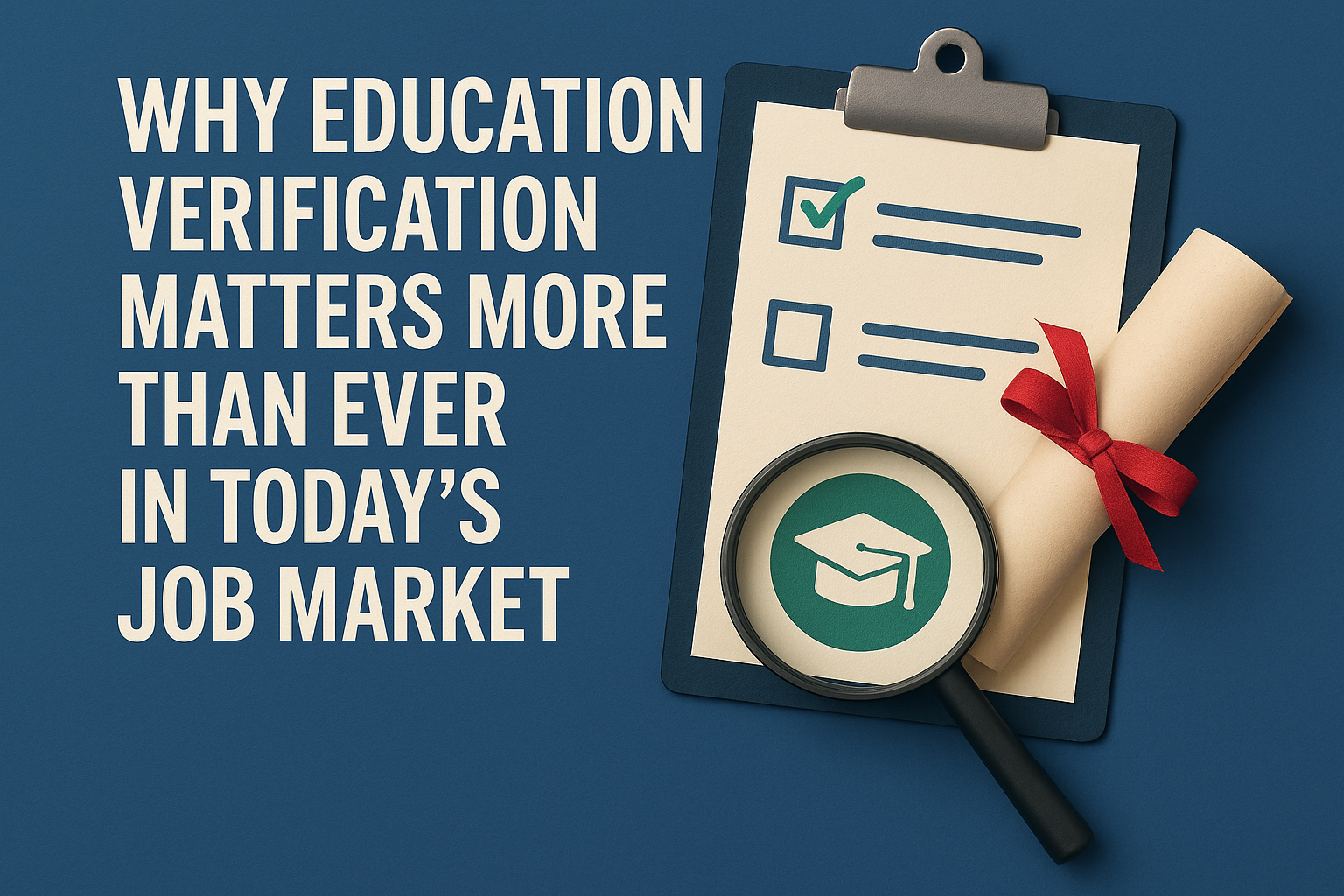
The significance of education verification has become increasingly prominent as employers search for the most qualified candidates in a competitive job market. While the specific educational qualifications of candidates have always held weight, the current landscape demands a more rigorous approach to validating these credentials. In this article, we will explore why education verification is essential, the methods used, the challenges faced by employers and candidates alike, and how to navigate this critical process.
The Shift in Hiring Practices
In recent years, the hiring process has evolved significantly. Employers are no longer merely interested in a resume filled with impressive titles and degrees; they want to ensure that every claim is backed by reality. According to a 2022 report from the Society for Human Resource Management (SHRM), about 85% of employers conduct some form of background check, which increasingly includes education verification.
This heightened scrutiny stems partly from the changing nature of jobs themselves. As industries evolve, the skills and qualifications necessary to thrive are also shifting. Employers must ensure that candidates can deliver on the promises their resumes make. This means going beyond self-reported educational accomplishments to confirm actual degrees, diplomas, and training.
The Importance of Education Verification
Education verification serves multiple purposes. For employers, it mitigates hiring risks, ensuring that candidates possess the qualifications necessary for their roles. For candidates, having their education credentials verified can lend credibility to their applications. Here are some key reasons why education verification is crucial:
- Fraud Prevention: With the rise of online degree mills and falsified credentials, employers must protect themselves from fraudulent claims. An estimated 30% of applicants may lie about their education, making verification an essential step in the hiring process.
- Quality Assurance: Verifying educational credentials helps employers ensure that candidates not only possess degrees but also received quality education from accredited institutions.
- Legal Compliance: Certain industries, such as healthcare and finance, have specific regulations concerning hiring practices. Education verification helps to ensure that employers are in compliance with these laws.
- Building Trust: For candidates, having their educational background verified can enhance trust with potential employers. It demonstrates transparency and integrity, qualities that are highly valued in any workplace.
Methods of Education Verification
There are various methods employers and third-party verification services employ to conduct education verification. Each method has its own strengths and weaknesses, and understanding these can help both employers and candidates navigate the process more efficiently.
Direct Verification
One of the most reliable methods is direct verification, where employers or verification services contact the educational institution directly. This can include calling the registrar’s office or checking online databases where schools publish graduate information. Direct verification is accurate but can be time-consuming, especially for large organizations that receive numerous requests.
Third-Party Verification Services
Many employers opt to use third-party services that specialize in background checks and education verification. These companies have the tools and resources to quickly check a candidate’s academic background and provide detailed reports. Examples include companies like HireRight and Sterling. However, employers must ensure that these services comply with the Fair Credit Reporting Act (FCRA) to maintain candidate privacy.
Online Database Searches
With the advent of technology, many educational institutions have started to maintain online databases where employment verifications can be conducted. Through these platforms, employers can often verify degrees, dates attended, and even GPA. However, not all institutions participate in these databases, which can lead to gaps in verification. (See: CDC on education and workforce development.)
Challenges in Education Verification
While education verification is crucial, it is not without its challenges. Both employers and candidates may encounter obstacles that complicate the process.
Discrepancies in Records
Issues often arise when there are discrepancies between what a candidate claims and what the records show. This could be due to clerical errors, name changes, or even differences in how degrees are recorded (for example, a candidate might have graduated under a different program name). Such discrepancies can lead to confusion and may even result in the disqualification of a candidate.
Privacy Concerns
Candidates may feel uneasy providing their educational information due to concerns about privacy. With data breaches becoming increasingly common, sharing personal information can be a daunting prospect. Employers must handle all information sensitively and in compliance with privacy laws.
International Verification
For candidates who have studied overseas, verification can be particularly challenging. Different countries have varying educational standards, accreditation processes, and methods of record-keeping. Employers need to be familiar with international education systems, and this often requires additional resources and time.
Best Practices for Candidates
Given the increasing importance of education verification, candidates can take proactive steps to prepare for the verification process. Here’s how you can ensure a smooth experience:
- Keep Records: Maintain copies of your diplomas, transcripts, and any other relevant documentation. This can help you respond quickly to verification requests.
- Be Transparent: If there are any discrepancies in your educational background, it’s better to address them upfront rather than waiting for them to be discovered.
- Research Employers: Understand what verification practices potential employers have in place. This can prepare you for the types of questions or requests you might face.
Future Trends in Education Verification
As technology continues to advance, the landscape of education verification will evolve as well. Here are a few trends to watch for:
Blockchain Technology
Blockchain has the potential to revolutionize education verification by creating tamper-proof records of academic achievements. It can allow institutions to issue verified diplomas and certificates securely. This technology could significantly reduce the incidence of fraudulent credentials.
AI and Automation
Artificial Intelligence (AI) is already being used in various aspects of hiring processes, including resume screening. In the future, AI may enhance education verification by quickly analyzing data and even cross-referencing it against various databases to confirm authenticity. This could streamline the process, making it faster and more reliable for employers.
Increased Regulatory Oversight
As the importance of education verification grows, regulatory bodies may implement stricter guidelines on how verification should be conducted. Employers will need to stay informed about these changes to ensure compliance. This could also include establishing standardized procedures that all employers should follow, enhancing the reliability of the verification process across various industries. (See: Associated Press news articles.)
Education Verification for Remote Positions
As more companies embrace remote work, the need for education verification rises in a different context. Remote positions often attract a global pool of applicants, which includes candidates from various educational backgrounds. Employers must be diligent in verifying these credentials to maintain a level playing field among applicants. Remote workforce education verification can involve additional layers, such as:
- Global Accreditation Standards: Employers should understand which educational institutions are recognized in various countries and ensure that their degrees meet local and international standards.
- Language Barriers: Communication may pose challenges when verifying international degrees, especially if records are not in a widely spoken language. Verification services must be equipped to handle these issues.
- Time Zone Differences: Coordinating verification requests across different time zones can introduce delays, emphasizing the need for thorough planning in the hiring process.
Expert Perspectives on Education Verification
Industry experts emphasize that education verification is not just a formality but a critical step in ensuring organizational integrity. According to Dr. Linda Thompson, a veteran HR consultant, “Employers need to cultivate a culture of trust and transparency. This starts with rigorous checks on the qualifications of their employees.”
Furthermore, Michael Chen, a leading expert in recruitment technology, states, “The future of hiring will heavily rely on technology to validate credentials. Companies that leverage cutting-edge solutions will gain a significant advantage in talent acquisition.”
FAQs about Education Verification
What is education verification?
Education verification is the process of confirming a candidate’s educational credentials, including degrees, diplomas, and other certifications, to ensure that they are truthful and accurate.
Why is education verification important?
It helps employers mitigate hiring risks, prevent fraud, ensure quality assurance, and comply with legal requirements. For candidates, it enhances credibility and trust with potential employers.
How long does the education verification process take?
The duration varies depending on the method used and the institution being verified. Direct verification may take longer than using third-party services, which are often faster due to their existing relationships with schools.
What should I do if discrepancies arise during verification?
If discrepancies are found, it’s crucial to address them immediately. Provide any supporting documentation or clarify the situation with potential employers to prevent misunderstandings that could impact your job application.
Can education verification be done for international degrees?
Yes, but it may require additional resources and expertise to navigate different educational systems and standards. Employers often rely on specialized verification services for international education checks.
Comparing Education Verification Services
With many verification services available, it’s crucial to select one that suits your needs effectively. Here’s a brief comparison of some popular options:
- HireRight: Known for its comprehensive checks and quick turnaround times, HireRight offers a variety of services tailored to both domestic and international candidates.
- GoodHire: This service provides an intuitive interface, making it easier for employers to manage verification requests. It also includes features like candidate self-service portals.
- Checkr: Focused on technology-driven solutions, Checkr uses machine learning to enhance the verification process, making it faster and more efficient for employers.
The Role of Education Verification in Professional Licensing
In certain professions, education verification is not just a hiring formality but a legal requirement. Professions such as nursing, teaching, and engineering often require a verified educational background as part of the licensing process. Regulatory boards typically mandate verification to ensure that candidates meet specific educational criteria before they can practice legally.
For instance, registered nursing candidates in the United States must provide proof of graduation from an accredited nursing program. This verification process is essential for maintaining high standards in healthcare and protecting patient safety.
Conclusion: Embracing the Verification Process
The importance of education verification in today’s job market cannot be understated. As hiring practices become more stringent, both employers and candidates must adapt to the evolving landscape. For employers, ensuring they hire qualified candidates protects their business and enhances workplace integrity. For candidates, proactively managing their educational records and understanding the verification process can set them apart in a competitive field.
Ultimately, education verification is more than just a formality; it’s a fundamental aspect of building a trustworthy and competent workforce. Whether you’re an employer or a job seeker, embracing this process will lead to better, more informed hiring decisions and career advancements.
“`
Trending Now
Frequently Asked Questions
Why is education verification important in the hiring process?
Education verification is crucial because it helps employers confirm that candidates possess the qualifications they claim. This process mitigates hiring risks and ensures that applicants have the necessary skills and knowledge for the role, especially in a competitive job market where fraud is prevalent.
What methods are used for education verification?
Employers typically use various methods for education verification, including contacting educational institutions directly, using third-party verification services, and checking online databases. These methods help confirm the authenticity of degrees, diplomas, and training claims made by candidates.
How common is education verification among employers?
Education verification is increasingly common, with approximately 85% of employers conducting some form of background check that includes verifying educational credentials. This trend reflects a shift towards more thorough hiring practices to ensure candidate qualifications are legitimate.
What challenges do employers face with education verification?
Employers may face challenges such as discrepancies in candidates' reported credentials, difficulties in contacting educational institutions, and the potential for fraudulent claims. These issues can complicate the verification process and require careful navigation to ensure accurate assessments.
How can candidates prepare for education verification?
Candidates can prepare for education verification by ensuring all their educational records are accurate and up-to-date. They should also be transparent about their qualifications and be ready to provide additional documentation if needed, thereby enhancing their credibility during the hiring process.
What’s your take on this? Share your thoughts in the comments below — we read every one.