
“`html
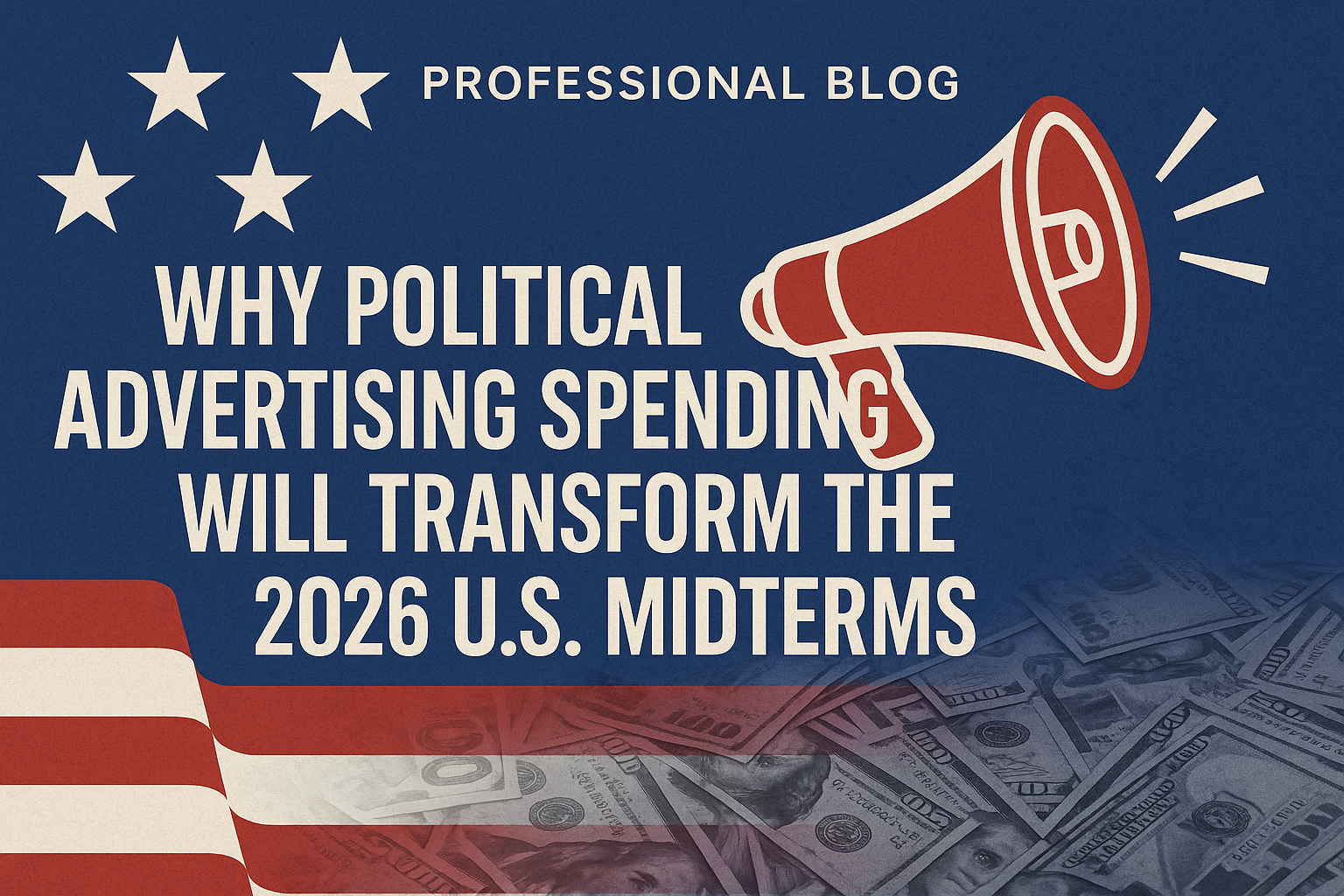
The 2026 U.S. midterm elections are shaping up to be unlike any we’ve seen before, primarily fueled by an astonishing projected spending of $11.6 billion on political advertising. This figure isn’t just a number; it symbolizes the intense competition among candidates, the strategic use of media platforms, and the ongoing debate surrounding the impact of political advertising on voter behavior. With such a substantial investment on the table, the implications for voters and candidates alike are profound.
The Unprecedented Surge in Political Advertising
The anticipated spending for the 2026 midterms surpasses even the historical spending during the previous 2024 presidential election cycle. Midterm elections traditionally garner less attention than presidential races, making this surge particularly shocking. In a landscape typically dominated by presidential campaigns, the enormity of this financial commitment signifies a shift in how candidates approach voter engagement and campaigning.
What’s driving this escalation? For one, heightened voter engagement has been apparent as citizens grapple with issues ranging from local governance to national policy. The growing influence of digital platforms also cannot be overstated. Social media, streaming services, and online news outlets have become essential battlegrounds for political messaging, allowing candidates to reach voters where they are most active.
Voter Engagement and Behavior: A New Era
This staggering influx of political advertising is expected to have a direct impact on voter behavior. With so much advertisement saturation, voters face a blend of information and misinformation. The sheer volume can lead to confusion, where voters might struggle to distinguish between credible sources and partisan propaganda. This reality raises critical questions: How will this affect voter turnout? Will it lead to better-informed voters or simply overwhelm them?
Additionally, the emotional weight of advertising cannot be overlooked. Political ads often tap into strong sentiments—fear, hope, anger—pushing voters towards certain candidates or issues. This tactic has long been a staple in political campaigning, but the unprecedented spending could amplify these emotional appeals, thereby intensifying their effect on voter decision-making.
Strategies Behind the Spending
With such a massive budget at their disposal, candidates are compelled to devise strategic approaches to ensure their advertising resonates with the electorate. One common strategy is targeted advertising, which uses data analytics to hone in on specific voter demographics. By identifying key voter segments, campaigns can tailor their messages to address the concerns and values of those groups. This strategy is particularly vital in a polarized political climate, where appealing to niche segments can mean the difference between winning and losing.
Moreover, digital platforms play a crucial role in executing these strategies. Social media allows for real-time feedback and rapid adjustments in messaging. For instance, if a particular ad fails to generate the expected engagement, candidates can pivot quickly, modifying their approach based on analytics. This adaptability isn’t just a luxury; it’s a necessity in a climate where public opinion can shift overnight.
The Ethical Implications of Heavy Spending
As the spending for the 2026 midterms skyrockets, it spurs significant debate about the ethics of political advertising. Is it fair that candidates with greater financial resources have an advantage in shaping public opinion? Critics argue that this creates an uneven playing field, where wealth becomes a predominant factor in electoral outcomes. The conversation surrounding the impact of political advertising on voter behavior turns into a discourse on the integrity of democracy itself.
Many voters express concerns about the potential for misinformation campaigns that could sway public perception or undermine trust in the electoral process. This trepidation is exacerbated by social media, where false narratives can spread rapidly. In response, some candidates are seeking to promote transparency in their advertising. By disclosing funding sources and revealing ad targeting methods, they hope to foster trust with voters and counteract skepticism. (See: CDC Youth Risk Behavior Survey.)
Social Media: The Double-Edged Sword
Social media platforms have transformed the landscape of political advertising, providing unprecedented reach and engagement potential. Campaigns are increasingly leveraging platforms like Facebook, Twitter, and Instagram to connect with voters. However, this comes with both opportunities and challenges.
The immediacy and interactivity of social media can enhance voter engagement, allowing candidates to host live Q&A sessions, respond to current events, and mobilize supporters at a moment’s notice. These tools can facilitate a two-way dialogue between candidates and constituents, fostering a sense of community and inclusion.
Conversely, the same platforms that empower candidates can also become breeding grounds for divisive content and misinformation. The ease with which information can be shared can lead to the rapid dissemination of falsehoods. As voters navigate this complex landscape, the impact of political advertising on voter behavior becomes intertwined with the challenge of discerning truth from fiction.
The Path Forward: Recommendations for Voters
With the midterms approaching, it’s essential for voters to arm themselves with knowledge to counteract the overwhelming influence of political advertising. Here are several actionable steps to take:
- Do Your Research: Before making a decision, look beyond advertisements. Check reliable news sources, fact-checking websites, and official candidate platforms.
- Engage with Multiple Perspectives: Don’t just consume content that aligns with your views. Engaging with diverse sources can provide a more well-rounded understanding of candidate positions and policies.
- Participate in Local Forums: Attend town halls or community discussions. These events allow for direct interaction with candidates and can clarify their stances on pressing issues.
- Spread Awareness: Share information about candidates and issues with friends and family but be sure it’s accurate. Empowering others can create a more informed electorate.
The Long-Term Implications for Democracy
The record-breaking spending in political advertising for the 2026 midterms could have lasting effects on U.S. democracy itself. As candidates increasingly rely on financial resources to communicate their messages, questions arise about the role of money in politics and its potential to undermine democratic principles. The ability of wealthy donors and special interest groups to shape narratives raises alarms about fairness in the electoral process.
Moreover, the normalization of such spending could desensitize voters to the sheer volume of political messaging. If citizens become accustomed to a barrage of ads, they may develop apathy or fatigue, impacting voter turnout and engagement in future elections.
In essence, while the high stakes of political advertising can galvanize engagement in the short term, they also risk eroding the fabric of democratic discourse. As we approach the 2026 midterms, understanding the impact of political advertising on voter behavior will be crucial not only for voters but for the health of democracy itself.
Case Studies: Political Advertising in Action
To better understand the impact of political advertising on voter behavior, it’s helpful to examine specific case studies from recent elections. For instance, the 2020 presidential election showcased the power of digital advertising. The Biden campaign effectively used targeted ads on platforms like Facebook and Instagram to reach key demographics, particularly younger voters. An estimated 85% of their ad spending was directed towards digital media, leading to a significant increase in voter participation among millennials and Gen Z.
Conversely, the Trump campaign relied heavily on emotional appeals, using fear-based advertising to galvanize support. They focused on messaging around immigration and crime, which resonated strongly with their base. This demonstrates how emotional resonance in political ads can drive voter sentiment and turnout, reinforcing the idea that advertising isn’t just about information—it’s about feelings and identity. (See: NY Times on Political Advertising Spending.)
Statistics on Political Advertising Effectiveness
Statistics reveal the effectiveness of political advertising in influencing voter behavior. According to a study by the Wesleyan Media Project, around 70% of voters reported that they were influenced by campaign advertisements when making their voting decisions. Furthermore, ads that are perceived as more negative tend to have a greater impact on voter perception than positive ones. This aligns with psychological research indicating that fear-inducing messages can lead to increased engagement and action.
Moreover, data indicates that political ads with strong emotional content can enhance recall and persuasion rates. A study conducted by the University of Pennsylvania found that ads invoking strong emotions had a recall rate of over 60%, while more neutral ads had a recall rate of only 30%. This suggests that the emotional strategies employed in political advertising can significantly shape voter behavior.
Expert Perspectives on Political Advertising
Political analysts and communication experts weigh in on the evolving landscape of political advertising. Dr. Maya Johnson, a political communication scholar, notes, “The sheer volume of political ads in the digital age means voters are inundated with messages. It’s crucial for voters to develop media literacy skills to navigate this environment effectively.”
Similarly, Mark Thompson, a veteran campaign strategist, emphasizes the importance of authenticity in advertising: “Voters are increasingly seeking genuine connections with candidates. Ads that come across as inauthentic or overly polished can backfire. It’s about building trust, not just delivering a message.”
Frequently Asked Questions
How does political advertising affect voter turnout?
Political advertising can significantly boost voter turnout by raising awareness about elections and candidates. However, the effectiveness of ads can vary based on the content and emotional appeal used. Ads that resonate with voters’ values and concerns are more likely to encourage them to participate in elections.
What role does digital advertising play in modern campaigns?
Digital advertising plays a pivotal role in modern campaigns, providing a cost-effective means to reach targeted demographics. Campaigns can analyze data to create personalized messages, enhancing voter engagement and persuasion. This shift to digital is particularly evident in younger voters who are more active on social media platforms.
Are there regulations on political advertising?
Yes, there are regulations governing political advertising, primarily to ensure transparency and prevent misinformation. The Federal Election Commission (FEC) oversees campaign finance laws, requiring disclosures of funding sources and expenditures. However, enforcement can be challenging, especially in the rapidly evolving online advertising space.
What can voters do to critically assess political ads?
Voters can critically assess political ads by seeking information from multiple sources, fact-checking claims made in advertisements, and being aware of the emotional tactics used. Engaging with diverse viewpoints can help voters gain a more comprehensive understanding of the issues and candidates.
The Psychological Impacts of Political Advertising
The psychological effects of political advertising can be profound and varied. Research suggests that constant exposure to political ads can create a sense of urgency and anxiety among voters. This emotional state can lead to impulsive decision-making. For instance, fear-based advertisements may cause voters to react without fully considering the implications of their choices.
Additionally, the repetitiveness of certain messages can lead to familiarity, which, paradoxically, can breed comfort but also desensitization. A study from Stanford University found that voters exposed to the same political ad multiple times were more likely to remember the ad’s content but less likely to engage with the underlying message critically. This phenomenon raises eyebrows about the long-term effects of such saturation on democratic engagement and informed decision-making.
Comparing Political Advertising Across Different Demographics
Understanding how political advertising affects various demographics is crucial. Younger voters tend to respond more positively to digital and social media ads that employ humor, relatability, and grassroots messaging. In contrast, older demographics may engage more with traditional media such as television or radio. This distinction emphasizes the importance of tailoring advertisements to the preferences and behaviors of specific voter groups.
For example, a campaign targeting younger voters might utilize TikTok for short, engaging videos that resonate culturally, while a campaign focused on older voters might invest in radio spots or mailers that provide detailed policy information and personal stories. Acknowledging these differences can enhance the effectiveness of political messaging and ensure that it reaches the intended audience.
The Future of Political Advertising
As we look ahead, the future of political advertising will likely continue evolving with technology and societal changes. Artificial intelligence is becoming increasingly prominent in crafting targeted ads, analyzing voter sentiment, and even creating personalized content. This development raises ethical considerations regarding privacy and the manipulation of voter behavior.
The upcoming elections may also see more innovative approaches, such as virtual reality experiences that allow voters to engage with candidates’ policies in immersive settings. As political advertising grows more sophisticated, voters will need to stay vigilant and aware of the tactics being employed to influence their choices.
“`
Trending Now
Frequently Asked Questions
How much will be spent on political advertising in the 2026 midterms?
The projected spending on political advertising for the 2026 U.S. midterms is an astonishing $11.6 billion, which surpasses previous records, including the spending during the 2024 presidential election cycle.
What factors are driving the increase in political advertising spending?
The increase in political advertising spending is driven by heightened voter engagement and the growing influence of digital platforms such as social media, streaming services, and online news outlets, which allow candidates to effectively reach voters.
How does political advertising affect voter behavior?
Political advertising is expected to significantly impact voter behavior by saturating the information landscape. This can lead to confusion among voters, making it challenging to distinguish between credible information and misinformation.
Will increased political advertising lead to higher voter turnout?
While the influx of political advertising aims to engage voters, it raises questions about its effectiveness in increasing voter turnout. The sheer volume of ads may either inform voters better or overwhelm them, potentially affecting their participation.
What is the significance of the spending on political advertising?
The unprecedented spending on political advertising signifies a shift in how candidates approach voter engagement and campaigning, reflecting the intense competition and the evolving landscape of political messaging.
What did we miss? Let us know in the comments and join the conversation.