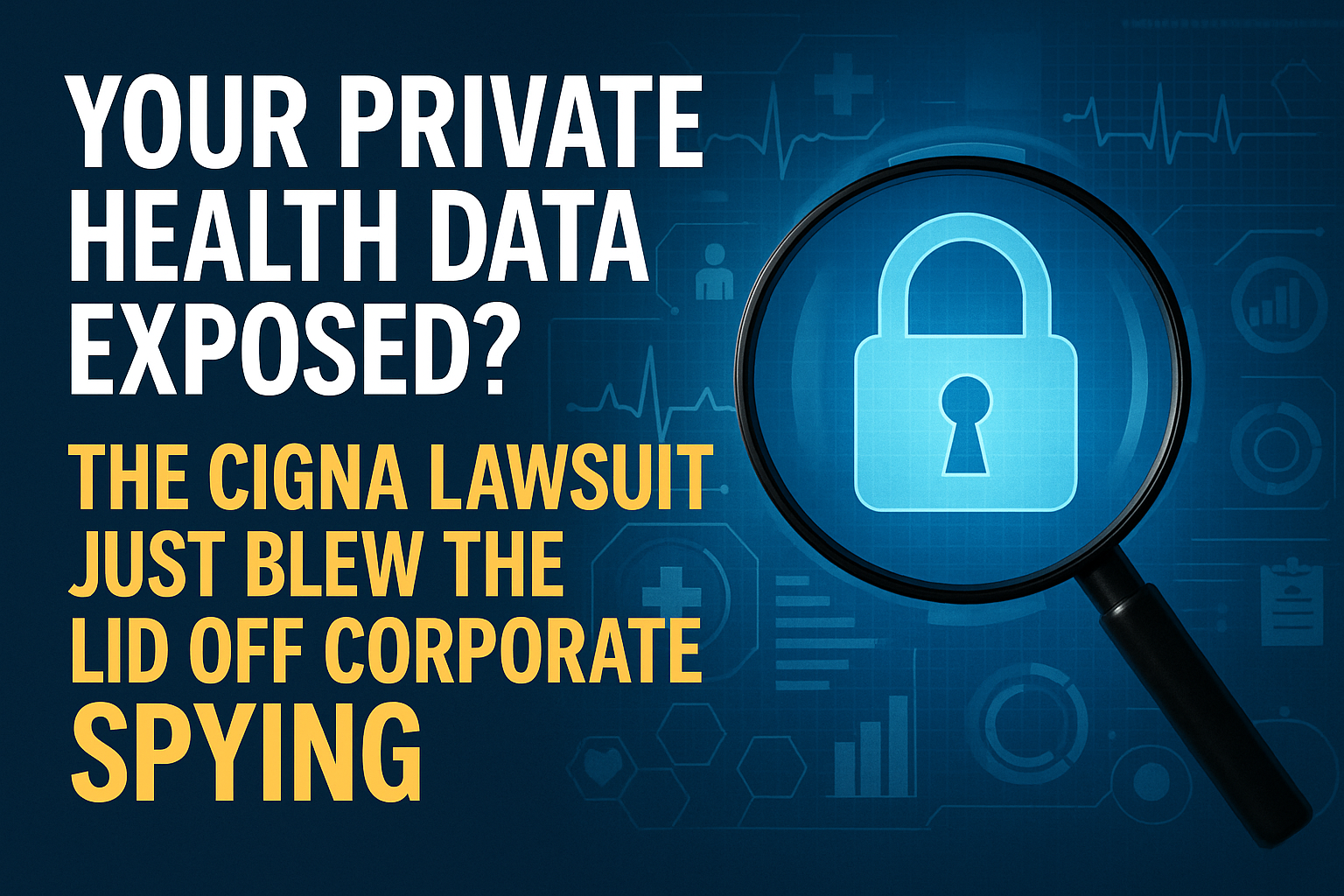

Imagine logging into your health insurer’s portal, believing your medical information is secure, only for it to be quietly siphoned off and shared with advertisers. Sounds like something out of a dystopian novel, doesn’t it? Yet, this is precisely the unsettling scenario at the heart of a significant proposed class action lawsuit against Cigna, one of the nation’s largest health insurance providers. A federal judge in Pennsylvania recently gave the green light for this case to proceed, rejecting Cigna’s vigorous attempts to dismiss most of the claims. This isn’t just another legal battle; it’s a stark reminder of the fragile state of our digital privacy, especially when it comes to something as deeply personal as our health data. Understanding the Cigna health data privacy lawsuit explained is crucial for anyone who uses online health services.
The implications here are enormous. We’re talking about incredibly sensitive information – details about our health conditions, diagnoses, treatments, prescriptions, and even our most vulnerable moments seeking care. If these allegations hold true, it suggests that even trusted entities like health insurers might be leveraging tracking technologies to monetize our private data, turning our health journeys into marketing fodder. For many, this isn’t just a legal technicality; it’s a profound breach of trust and an invasion of personal autonomy. It forces us to confront uncomfortable questions about who truly owns our digital footprints and what protections we can realistically expect in an increasingly data-driven world.
The Allegations: How Cigna Allegedly Shared Your Health Secrets
At its core, the lawsuit, spearheaded by the law firm Schlichter Bogard, alleges that Cigna unlawfully disclosed insureds’ protected health information (PHI) without their consent. How did this supposedly happen? Through the seemingly innocuous digital tools embedded in Cigna’s online portals. Think about it: when you log in to check a claim, find a doctor, or review your benefits, you assume that interaction is private, a secure channel between you and your insurer. The lawsuit claims that Cigna utilized tracking technology, often referred to as ‘pixels’ or similar web analytics tools, that silently collected data about users’ activities on its websites.
This isn’t just about anonymous website traffic. The crucial allegation is that this tracking technology didn’t just record clicks; it allegedly captured information that, when combined, could reveal sensitive details about users’ health conditions and treatments. For example, if you searched for a specific medication, looked up a specialist for a particular ailment, or reviewed information about a chronic illness, the lawsuit suggests these actions, along with identifying information, were potentially collected and then shared with third parties. And for what purpose? The lawsuit contends these disclosures were made for marketing purposes, essentially using individuals’ health struggles as a basis for targeted advertising, all without the explicit and informed consent required by law.
This isn’t just a minor oversight. Federal and state laws, most notably the Health Insurance Portability and Accountability Act (HIPAA), set stringent standards for how protected health information must be handled. HIPAA generally requires specific authorization from individuals before their PHI can be disclosed for purposes beyond treatment, payment, or healthcare operations. If Cigna indeed shared this data for marketing without such consent, it could represent a significant violation of these fundamental privacy protections. The very idea that your search for a cancer specialist or information about mental health treatment could be used to target you with ads is, frankly, deeply disturbing to many.
The Legal Framework: Fiduciary Duty, Unjust Enrichment, and Wiretapping Laws
The federal judge’s decision to allow the bulk of the lawsuit to move forward is a big deal because it signals that the court sees genuine merit in the plaintiffs’ claims. Specifically, the court permitted claims for breach of fiduciary duty, unjust enrichment, and violations of federal and state wiretapping laws to proceed. Let’s break down what each of these means and why they’re so significant in the context of the Cigna health data privacy lawsuit explained. (See: CDC on privacy and health data.)
Breach of Fiduciary Duty: This is a powerful claim. A fiduciary duty exists when one party (the fiduciary, in this case, Cigna) is entrusted with the care of another’s assets or interests (your health data and privacy) and is obligated to act in their best interest. As your health insurer, Cigna holds a position of immense trust, managing your most personal health information. The lawsuit alleges that by sharing this data without consent, Cigna violated this fundamental trust and failed to act in its insureds’ best interests. This isn’t just about breaking a rule; it’s about betraying a core obligation inherent in the insurer-insured relationship.
Unjust Enrichment: This claim centers on the idea that Cigna may have benefited financially from unlawfully disclosing its customers’ health data. If Cigna gained some form of economic advantage – perhaps through data sharing agreements or by enabling more effective targeted advertising for third parties – by using data it wasn’t entitled to, then the law suggests it was ‘unjustly enriched.’ The plaintiffs would argue that Cigna profited at the expense of its insureds’ privacy rights, and any such profits should be disgorged.
Federal and State Wiretapping Laws: This is where things get particularly interesting and perhaps a bit more technologically nuanced. Wiretapping laws, traditionally associated with intercepting phone calls, have evolved to cover digital communications. The argument here is that Cigna, through its tracking technologies, allegedly intercepted or accessed electronic communications (i.e., user activity on its portals) without consent. This isn’t about Cigna directly ‘listening in’ on your conversations, but rather the unauthorized collection and transmission of your digital interactions and the sensitive health data they reveal. If these digital interactions are considered ‘communications’ under the statute, and Cigna facilitated their ‘interception’ by third parties without consent, it could be a serious violation.
Why This Lawsuit is Going Viral: The Emotional Core of Health Data Privacy
The Cigna lawsuit isn’t just another dry legal filing; it has struck a deep nerve with the public, quickly becoming a viral topic. Why? Because health data privacy isn’t just about abstract legal concepts; it’s profoundly personal and emotional. Our health information is arguably some of the most intimate data we possess. It reflects our vulnerabilities, our struggles, and our most private moments. When that information is perceived as being exploited or shared without consent, it triggers a powerful sense of violation, outrage, and betrayal.
Think about it: you confide in your doctor, you trust your pharmacy, and you expect your health insurer to be a steward of your medical history, not a conduit for advertisers. The very idea that a company could profit from your search for a therapist, your medication for a chronic condition, or your inquiry about a sensitive procedure is, for many, an infuriating thought. It erodes the fundamental trust we place in healthcare institutions and adds another layer of anxiety to an already complex and often stressful aspect of life.
Moreover, the lawsuit taps into broader public concerns about digital privacy in general. In an era where data breaches are common and tracking technologies are ubiquitous, people are increasingly wary of how their online activities are monitored and monetized. When a major insurer like Cigna is accused of such practices, it reinforces a growing fear that no corner of our digital lives, not even our health, is truly safe from corporate surveillance. This case, therefore, becomes a flashpoint for a much larger societal debate about corporate responsibility, consumer rights, and the ethical boundaries of data collection in the digital age.
The Broader Implications: A Wake-Up Call for Digital Privacy and Corporate Responsibility
This lawsuit isn’t just about Cigna; it’s a significant development that sends ripples across the entire healthcare and tech industries. For one, it serves as a powerful reminder to all companies, especially those handling sensitive data, that the courts are increasingly willing to scrutinize how consumer information is collected, used, and shared. The rejection of Cigna’s dismissal attempts signals a judicial willingness to engage with complex questions surrounding digital tracking and its interplay with established privacy laws. (See: NIH on health data security.)
For individuals, the Cigna health data privacy lawsuit explained underscores the urgent need to be more vigilant about our online activities. We often click ‘accept’ on privacy policies without truly understanding their implications, or we assume that services from trusted providers are inherently secure. This case highlights that we can’t make those assumptions. It forces us to question what data is being collected, by whom, and for what purpose, even on platforms we rely on for essential services. It also puts a spotlight on the often-opaque world of third-party tracking technologies, which operate largely out of sight, yet collect vast amounts of information about our digital behaviors.
Furthermore, this lawsuit could pave the way for similar actions against other companies employing comparable tracking practices. If the plaintiffs are successful, it could establish important legal precedents regarding the application of fiduciary duties, unjust enrichment, and wiretapping laws to digital data collection in the healthcare sector. This could force companies to re-evaluate their data handling practices, implement more robust consent mechanisms, and be far more transparent about their use of tracking technologies. In essence, it could push for a much-needed recalibration of the balance between corporate data interests and individual privacy rights.
What This Means for You: Protecting Your Health Data in a Digital World
Given the seriousness of the allegations in the Cigna health data privacy lawsuit explained, you’re probably wondering what you can do to protect your own sensitive health information. While no system is foolproof, there are actionable steps you can take to enhance your digital privacy: (privacy breaches revealed)
- Read Privacy Policies (Seriously): We know, they’re long and tedious. But try to skim the sections related to data sharing, third-party disclosures, and marketing. Look for language that grants companies broad rights to use your data.
- Adjust Browser Settings and Use Privacy Tools: Modern web browsers offer privacy settings that can block third-party cookies and trackers. Consider using browser extensions designed to enhance privacy, such as ad blockers or anti-tracking tools.
- Be Mindful of What You Click: On health portals or related websites, be cautious about clicking on ads or external links, as these can often lead to further tracking.
- Opt-Out Where Possible: Many companies offer opt-out options for data sharing or targeted advertising. While these might not cover all forms of data collection, they’re worth pursuing.
- Review Your Insurer’s Practices: If you’re concerned, reach out to your health insurer and ask specific questions about their data privacy practices, particularly regarding third-party tracking and marketing.
- Consider Identity and Cybersecurity Protection: Services offering identity theft protection and cybersecurity monitoring can alert you to potential breaches or suspicious activity related to your personal information.
- Stay Informed: Keep an eye on developments in health data privacy law and major lawsuits like the Cigna case. Understanding the landscape helps you make more informed decisions.
This lawsuit is a stark reminder that even seemingly secure online environments can pose risks to our privacy. It’s not just about protecting financial information; it’s about safeguarding the intimate details of our health, which are often far more sensitive and potentially exploitable. The more aware and proactive we become, the better equipped we’ll be to navigate this complex digital terrain. (See: NY Times on health insurance data privacy.)
The Road Ahead: What to Expect as the Cigna Case Unfolds
With the judge’s decision allowing the case to proceed, the Cigna health data privacy lawsuit explained will now move into what’s known as the discovery phase. This is where both sides exchange information, documents, and conduct depositions – essentially, they gather evidence to support their claims or defenses. This process can be lengthy and complex, especially in a class action lawsuit involving sophisticated technology and vast amounts of data.
There are several potential outcomes. Cigna might choose to settle the case to avoid prolonged litigation and the potential for a large jury verdict. Alternatively, the case could proceed to trial, where a jury would hear the evidence and decide whether Cigna is liable for the alleged privacy violations. If the plaintiffs are successful, it could result in significant monetary damages for the class members (the Cigna insureds whose data was allegedly disclosed) and potentially force Cigna to fundamentally change its data handling practices.
The outcome of this case could also have a ripple effect on the entire health insurance industry. Other insurers, seeing the legal challenges Cigna faces, might proactively review and revise their own data privacy policies and the use of tracking technologies on their platforms. This could lead to a broader industry shift towards more transparent and privacy-protective practices, which would undoubtedly be a positive development for consumers.
Ultimately, this lawsuit is more than just a legal dispute; it’s a battle for the fundamental right to privacy in an increasingly interconnected world. It challenges the notion that companies can freely collect and leverage our most sensitive data without explicit consent or genuine transparency. As the case progresses, it will undoubtedly continue to shape the conversation around digital ethics, corporate accountability, and the future of health data privacy. It’s a fight worth watching, because it impacts all of us who entrust our health information to digital platforms.
Trending Now
Frequently Asked Questions
What is the Cigna lawsuit about?
The Cigna lawsuit revolves around allegations that the health insurer unlawfully shared customers' protected health information (PHI) with advertisers without their consent. This proposed class action highlights concerns over digital privacy and the potential misuse of sensitive health data by trusted entities.
How did Cigna allegedly share health data?
Cigna is accused of using embedded digital tools in their online portals to siphon off and share users' private health information with third parties, including advertisers. This raises significant concerns about the security and confidentiality of personal health data.
What are the implications of the Cigna lawsuit?
The implications of the Cigna lawsuit are profound, as it raises critical questions about digital privacy, trust in health insurers, and the ownership of personal data. If the allegations are proven true, it could signify a major breach of trust in how sensitive health information is handled.
Why is digital privacy important in health data?
Digital privacy is crucial in health data because it involves sensitive information about individuals' health conditions, treatments, and personal experiences. Protecting this data is essential to maintain trust between patients and healthcare providers and to safeguard personal autonomy.
What should consumers know about their health data rights?
Consumers should be aware that they have rights regarding their health data, including the right to know how their information is used and shared. The Cigna lawsuit serves as a reminder to stay informed about privacy policies and to advocate for stronger protections of personal health information.
What did we miss? Let us know in the comments and join the conversation.