

“`html
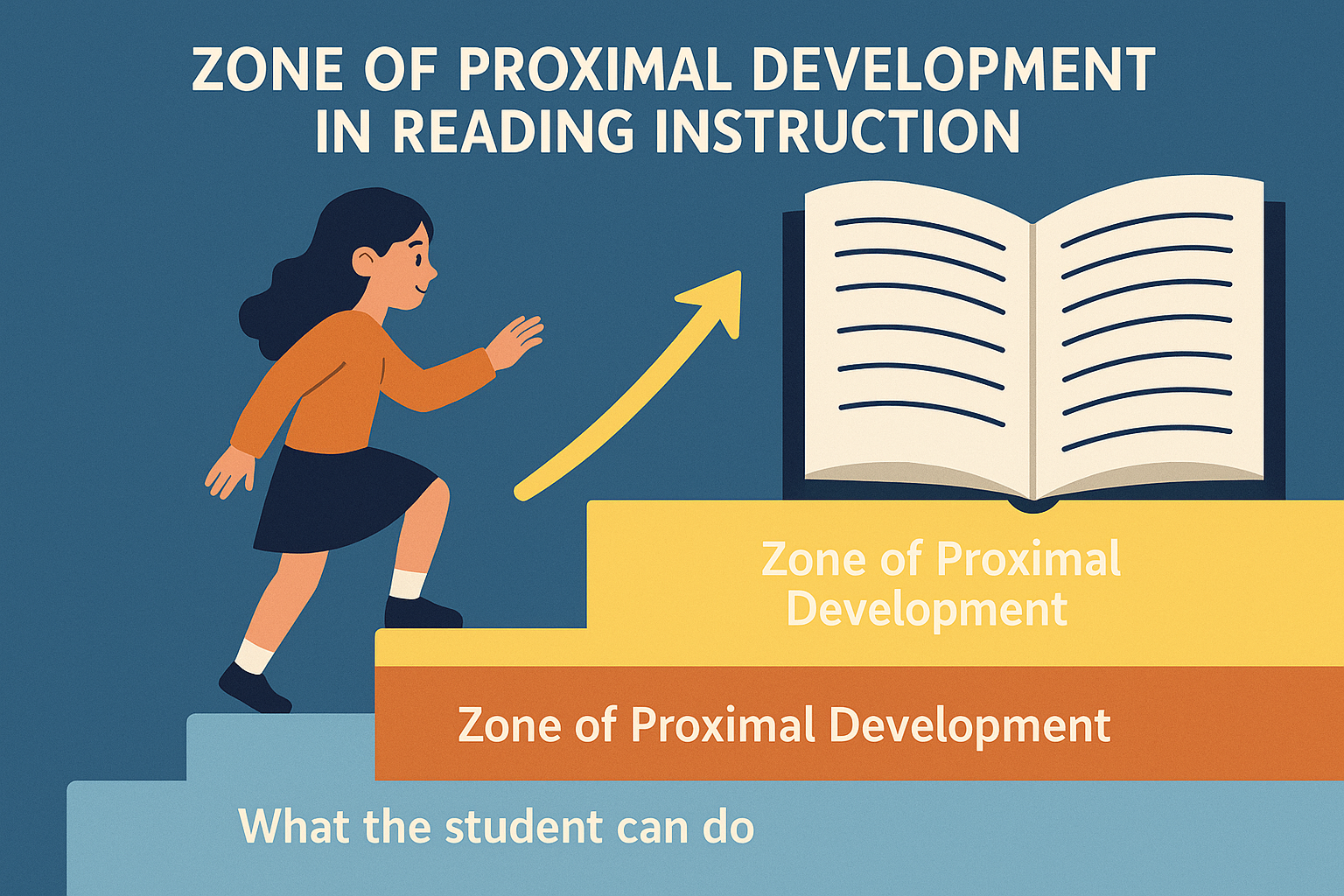
The concept of the zone of proximal development (ZPD), introduced by Russian psychologist Lev Vygotsky, has had a profound influence on education, particularly in the realm of reading instruction. At its core, the ZPD refers to the difference between what a learner can do independently and what they can achieve with guidance or collaboration from a more skilled individual. In the context of reading instruction, understanding this developmental zone can significantly enhance a child’s literacy skills, foster a love for reading, and ultimately shape their academic journey.
Understanding the Zone of Proximal Development
Before diving into its application to reading instruction, it’s crucial to grasp the essence of the ZPD. Vygotsky believed that learning is inherently social and that knowledge construction occurs through interaction. The ZPD is often illustrated as a bridge between two areas:
- What the student can do independently: This represents the learner’s existing skills and knowledge.
- What the student can do with support: This highlights the potential skills that can be achieved with guidance from teachers, peers, or parents.
Effective instruction occurs within this zone, where the teacher’s support is tailored to the individual needs of the student. In reading, this means identifying texts that challenge the student just enough to stimulate growth without causing frustration.
The Importance of Tailored Reading Instruction
When it comes to reading instruction, understanding the ZPD is key for educators and parents alike. Children learn at different paces and have varied interests, making a one-size-fits-all approach ineffective. Tailored reading instruction allows educators to:
- Assess Individual Reading Levels: Educators should begin by assessing students’ reading abilities. This can involve informal assessments or standardized tests that provide a snapshot of their current skills.
- Select Appropriate Reading Materials: Once a student’s reading level is established, teachers can curate reading materials that sit within their ZPD. This could mean selecting texts that are slightly above their current level but are still accessible with some support.
- Facilitate Shared Reading Experiences: Shared reading, where the teacher reads aloud and engages students in discussion, can be a powerful way to introduce new vocabulary and concepts while building comprehension skills.
The goal is to challenge students just enough to stimulate their growth while also providing the necessary scaffolding to help them succeed. (guides for scaffolding reading)
Effective Strategies for Implementing ZPD in Reading Instruction
Teachers and parents can apply specific strategies to make the most of the zone of proximal development in reading instruction. Here are some practical insights:
1. Use Scaffolding Techniques
Scaffolding refers to the support provided to students to help them achieve a task they cannot accomplish alone. This can take many forms in reading instruction:
- Modeling: Teachers can model reading strategies such as predicting, questioning, and summarizing. This helps students see how skilled readers think and act.
- Guided Practice: During guided reading sessions, the teacher can provide targeted support, prompting students with questions that guide their thinking.
- Gradual Release of Responsibility: As students gain confidence, teachers can gradually shift the responsibility of reading and comprehension back to the students.
Scaffolding ensures that students receive the right amount of support at the right time, allowing them to progress through their ZPD effectively. (See: Zone of Proximal Development.)
2. Foster Collaborative Learning
Encouraging collaborative learning environments can enhance the reading experience. Group work, peer reading sessions, and literature circles provide students with opportunities to share their thoughts and insights. This collaborative approach not only builds comprehension skills but also boosts confidence by allowing students to learn from one another. When students explain concepts to their peers, they reinforce their understanding and solidify their knowledge.
3. Integrate Technology and Resources
In today’s digital age, integrating technology into reading instruction can also play a pivotal role in supporting the ZPD. Digital platforms offer a plethora of resources tailored to individual reading levels. For example:
- Interactive E-Books: Many e-books come with built-in tools that offer definitions, audio of text, and interactive features that engage students while reading.
- Reading Apps: Applications like Epic! or Raz-Kids provide access to a variety of texts at different reading levels, allowing kids to explore books that match their interests and abilities.
- Online Reading Communities: Platforms such as Goodreads can foster a sense of community among young readers, encouraging discussions about their favorite books.
Utilizing technology not only engages students but also provides them with resources that can be customized to fit their individual ZPD.
Challenges and Considerations in ZPD Application
While the ZPD offers a powerful framework for reading instruction, there are challenges and considerations to keep in mind:
1. Diverse Learning Styles
Every student comes with unique learning styles, interests, and preferences. Some may thrive on collaborative discussions, while others may prefer solitary reading. It’s essential for educators to recognize these differences and adapt their strategies accordingly. Differentiated instruction is crucial here, ensuring that every child receives the support they need based on their individual ZPD.
2. Balancing Challenge and Support
Finding the right balance between challenge and support can be tricky. If the texts are too difficult, students may feel overwhelmed and discouraged. Conversely, if they are too easy, they won’t experience the growth necessary to advance. Teachers must continuously assess and adjust their approaches, providing the right level of difficulty that fosters both engagement and learning.
Current Relevance of ZPD in Education
The principles of the zone of proximal development remain incredibly relevant in today’s educational landscape. With shifts towards more personalized learning experiences and the inclusion of diverse student backgrounds in classrooms, the ZPD offers a robust framework for educators. The ongoing emphasis on literacy as a foundational skill in education makes the application of ZPD in reading instruction critical now more than ever.
1. Addressing Literacy Gaps
In light of recent studies indicating literacy gaps, particularly in disadvantaged communities, understanding and addressing the ZPD can help educators to provide tailored support. Interventions that focus on the ZPD can help bridge these gaps and facilitate positive outcomes for students.
2. Teacher Training and Professional Development
For the ZPD to be effectively implemented in reading instruction, ongoing teacher training and professional development are essential. Educators must be equipped with the knowledge and tools to assess students’ ZPDs and implement strategies that cater to these ranges. Workshops, collaborative planning, and sharing best practices can foster this growth in teaching skills. (See: Importance of Reading Instruction.)
Expanding on Scaffolding Techniques
Scaffolding techniques can take various forms beyond just modeling and guided practice. This approach is about providing flexible support that meets students where they are, which can be particularly effective for reading instruction. Here are some additional scaffolding strategies:
- Think-Alouds: Teachers can demonstrate their thinking process while reading a text. By verbalizing their thoughts, they show students how to approach comprehension, making it easier for students to mirror this behavior.
- Graphic Organizers: Tools like Venn diagrams or story maps can help students visually structure their understanding of a reading. This visual representation can be especially helpful for those who struggle with tracking narratives or themes.
- Sentence Starters and Frames: Providing students with sentence starters can help them articulate their thoughts when responding to texts. This enables them to focus on content without getting stuck on language.
Real-World Example: Class Implementation
Consider a classroom where a teacher implements the ZPD concept during a reading unit. The teacher starts by assessing each student’s reading fluency and comprehension levels through a variety of informal assessments. Based on this, the teacher organizes students into small groups, pairing those who are struggling with more proficient peers. In the groups, they engage in a shared reading of a text that aligns with their ZPD. During this time, the teacher circulates, offering support tailored to each group’s needs—be it vocabulary assistance, comprehension questions, or discussion prompts.
This approach not only provides the necessary support but also allows students to take ownership of their learning. They begin to recognize their own capabilities and the value of peer learning, reinforcing the social aspect of Vygotsky’s theory.
Statistics on Literacy Development and ZPD
Research indicates that implementing ZPD-focused instruction can yield significant improvements in literacy skills. A study by the National Institute for Literacy found that students who received targeted reading instruction adapted to their ZPD outperformed their peers by as much as 30% in reading comprehension assessments over a school year. Furthermore, findings from the National Reading Panel suggest that students taught through scaffolded methods retain skills longer and show continued growth.
FAQ About ZPD and Reading Instruction
What is the main goal of using ZPD in reading instruction?
The primary goal is to match reading material and support to students’ current abilities so they can engage with challenging texts that promote growth without leading to frustration.
How can teachers assess a student’s ZPD?
Teachers can assess a student’s ZPD through a combination of formal and informal assessments, observations during reading activities, and discussions about their interests and preferences in reading.
What role do parents play in supporting ZPD?
Parents can support their child’s ZPD by reading with them, discussing books, and encouraging exploration of texts that challenge them while providing necessary support at home.
Can ZPD be applied to subjects other than reading?
Absolutely! While it’s particularly impactful in reading, the ZPD can be applied across all areas of learning, including math, science, and social studies, wherever there is a need for guided learning. (See: Harvard University Education Resources.)
Benefits of ZPD in Diverse Learning Environments
The ZPD framework is especially beneficial in diverse learning environments. In classrooms where students come from various backgrounds with differing levels of readiness, the ZPD approach helps create an inclusive atmosphere. Teachers can leverage students’ unique strengths and cultural experiences, tailoring instruction that resonates with individual students while still adhering to curriculum standards.
For example, a teacher might notice that some students have strong oral storytelling skills. By incorporating storytelling into reading activities, these students can engage with texts in a way that feels familiar and rewarding, while also building their literacy skills. This type of culturally responsive teaching can enhance the effectiveness of ZPD-based instruction. We covered ZPD in reading instruction in more detail.
Future Directions for ZPD Research
As education continues to evolve, future research on the ZPD could explore several exciting areas. For instance, investigating how ZPD principles can be effectively applied in remote or hybrid learning environments is a pressing concern in today’s educational landscape. With technology playing a more significant role, understanding how to best support students in their ZPD through digital platforms could yield new insights into effective reading instruction.
Additionally, longitudinal studies examining the long-term impact of ZPD-oriented instruction on student outcomes would contribute valuable data to the field. Understanding how initial support in reading influences later academic success could solidify the importance of the ZPD in shaping educational practices moving forward.
Conclusion: A Path to Enhanced Literacy
Ultimately, the zone of proximal development in reading instruction is not just a theoretical framework; it’s a practical approach that can transform how educators teach and how students learn. By recognizing that students learn best when they are challenged just beyond their current capabilities, educators can create dynamic and engaging reading experiences. The ZPD emphasizes the importance of tailored instruction, scaffolding, and collaboration, ensuring that all learners not only improve their reading skills but also find joy in the process. As we continue to refine our educational practices, the ZPD remains a cornerstone for effective reading instruction, guiding both teachers and students towards meaningful literacy development.
“`
Trending Now
Frequently Asked Questions
What is the Zone of Proximal Development in education?
The Zone of Proximal Development (ZPD), introduced by Lev Vygotsky, refers to the gap between what a learner can do independently and what they can achieve with guidance. In education, especially reading instruction, it highlights the importance of tailored support to enhance a student's learning experience.
How does the ZPD impact reading instruction?
The ZPD impacts reading instruction by guiding educators to select texts that challenge students just enough to promote growth without causing frustration. Effective reading instruction occurs when teachers tailor their support to meet individual students' needs within this developmental zone.
Why is tailored reading instruction important?
Tailored reading instruction is important because children learn at different paces and have unique interests. By understanding each child's ZPD, educators can assess individual reading levels and select appropriate materials, fostering a more effective and engaging learning environment.
What are the key components of the ZPD?
The key components of the ZPD include what a student can do independently and what they can achieve with support. This framework emphasizes the role of social interaction in learning and the need for instructional strategies that align with a student's current abilities and potential.
How can teachers assess a student's reading level?
Teachers can assess a student's reading level through informal assessments, such as observations and reading logs, or standardized tests that provide insights into the student's current skills. This assessment is crucial for identifying the appropriate reading materials that align with the student's ZPD.
What did we miss? Let us know in the comments and join the conversation.



