
1. Goal Setting Workshop: Teach students to set SMART (Specific, Measurable, Achievable, Relevant, and Time-Based) goals for themselves. This workshop helps students learn to plan for success by setting realistic yet challenging goals.
2. Vision Board Creation: Have students create vision boards that reflect their interests, dreams, and personal goals. Vision boards give students a tangible medium to visually represent their aspirations.
3. Time Management Lesson: Introduce time management techniques like the Pomodoro Technique or prioritizing tasks within daily schedules. Teaching these skills helps children plan their time effectively as they work toward long-term goals.
4. Personal Mission Statement: Guide students in writing personal mission statements outlining their values and life objectives—helping them clarify what drives them to succeed.
5. Future Letter Writing: Encourage students to write letters to their future selves about their hopes and accomplishments, fostering a sense of purpose and motivation.
6. Seven Habits of Happy Kids Reading: Read “The 7 Habits of Happy Kids” by Sean Covey together as a class to instil essential habits in your students, promoting proactive thinking about their futures.
7. Career Day: Organize a career day where invitees from different professions talk about their experiences, allowing students to explore various paths for their futures.
8. Role Model Presentations: Ask students to research and present role models who embody the principles of beginning with the end in mind—inspiring others to think about actions and consequences positively.
9. Cause and Effect Activity: Teach students how decisions have consequences through cause-and-effect games, developing foresight when making choices that will impact their long-term goals.
10. Responsibility Chart: Create a responsibility chart showing the tasks that need completion every day or week. This visual reminder guides children in acting responsibly while working towards meeting personal expectations.
11. Bucket List Creation: Guide students in creating a “bucket list” of experiences, objects, or achievements they wish for by particular stages of their lives—helping them prioritize future goals.
12. Environmental Impact Study: Students can research and reflect on our actions and decisions’ long-term impacts on the environment, realizing individual choices have global effects.
13. Realistic Expectation Exercise: Teach children to set realistic expectations by breaking big goals into smaller, achievable steps and understanding that setbacks occur even when working diligently.
14. Team Building Exercise: Organize collaborative projects that require long-term planning and resource management. By dividing tasks, delegating responsibilities, and working as a team, students learn how to approach projects strategically.
15. Reflective Journaling: Encourage students to keep reflective journals where they track progress towards goals and visualize future achievements—giving them tangible evidence of personal growth.
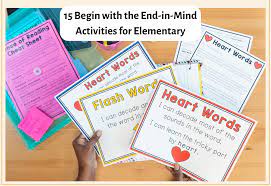
These 15 activities provide elementary students with the foundation for beginning with the end in mind, teaching valuable skills that prepare them for their futures while involving their interests, aspirations, and day-to-day experiences.