

“`html
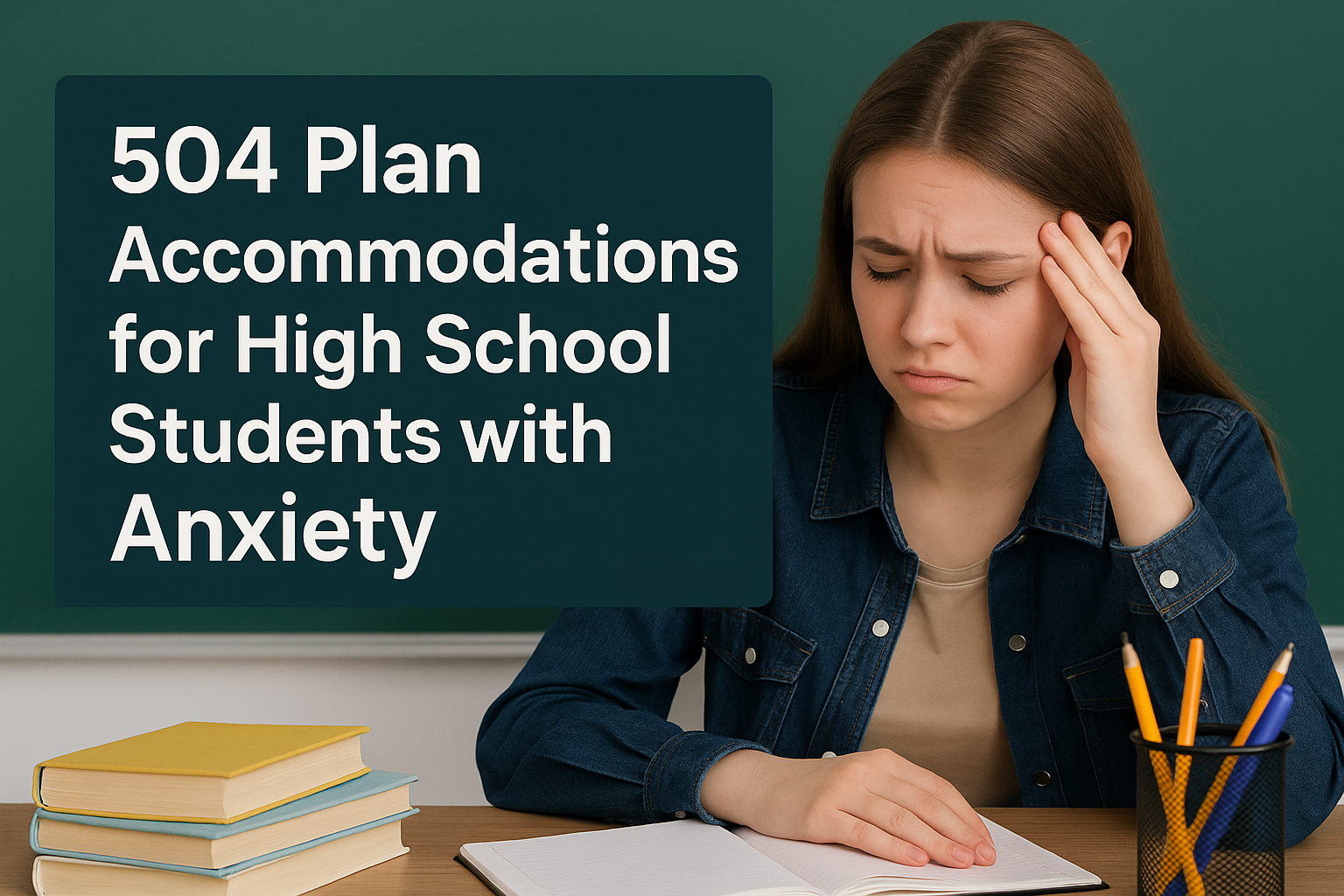
High school can be a challenging time for many students, but for those suffering from anxiety, the pressures can feel insurmountable. Navigating classes, social interactions, and the increasing demands of academic performance can amplify feelings of unease, sometimes making it impossible for these students to thrive. Fortunately, the 504 plan accommodations for anxiety provide a lifeline of support, ensuring that students receive the necessary tools to succeed in their educational journey.
Understanding 504 Plans: A Brief Overview
The 504 plan gets its name from Section 504 of the Rehabilitation Act of 1973, a federal law that prohibits discrimination against individuals with disabilities. This section aims to ensure that students with disabilities have equal access to education. While many people associate 504 plans with physical disabilities, they are equally important for students with mental health conditions, including anxiety disorders.
A 504 plan outlines specific accommodations tailored to the individual needs of a student, enabling them to participate fully in their education. These accommodations can range from adjustments in classroom settings to modifications in testing conditions, all designed to create a more supportive learning environment.
The Impact of Anxiety on High School Students
Anxiety disorders can manifest in various ways, including excessive worry, panic attacks, and physical symptoms such as headaches and fatigue. For high school students, these symptoms can limit their ability to engage in classroom activities, complete assignments, and socialize with peers. According to the National Institute of Mental Health, anxiety disorders affect approximately 31.9% of adolescents aged 13-18, highlighting this as a significant concern for educators and families alike.
Furthermore, anxiety can lead to academic challenges. A student overwhelmed by anxiety may find it difficult to focus during lectures or participate in discussions, ultimately affecting their grades and self-esteem. This is where 504 plan accommodations for anxiety become essential, providing strategies to mitigate these challenges and promote an equitable educational experience.
Key Accommodations for High School Students with Anxiety
When developing a 504 plan for a student with anxiety, it’s crucial to consider the specific triggers and symptoms the student experiences. Here are some effective accommodations that can significantly help: Related reading: college accommodation insights.
1. Flexible Scheduling
Students with anxiety may find it overwhelming to attend consecutive classes without breaks. Allowing for flexible scheduling, such as offering extended time between classes or the option to arrive late, can alleviate some of the pressures they face. This time can be used for relaxation, self-regulation, or simply transitioning from one environment to another.
2. Alternative Testing Environments
Standard testing conditions can be a source of significant anxiety. To combat this, schools can offer alternative testing environments—such as smaller rooms or one-on-one testing with a teacher—which can create a less intimidating atmosphere. Additionally, providing extended time for tests can help students manage their anxiety and perform to the best of their abilities.
3. Access to Counseling Services
Many high schools offer counseling services, and it’s essential for students with anxiety to have easy access to these resources. Regular check-ins with a school counselor can provide students with a safe space to express their feelings, learn coping mechanisms, and develop strategies to handle anxiety in school settings. This support can be formalized in the 504 plan, ensuring that students know they have a dedicated resource available to them. (See: Mental health resources for children.)
4. Modified Assignments and Deadlines
For students struggling with anxiety, the pressure of multiple assignments and tight deadlines can be overwhelming. Modifying assignments—by allowing for extended deadlines or reducing the number of assignments—can help alleviate some of this stress. Additionally, providing options for alternative assignments (such as presentations instead of written reports) can cater to different learning styles and reduce anxiety triggers.
5. Quiet Spaces
Having a designated quiet space where students can retreat when feeling anxious can be incredibly beneficial. This can be a room or area within the school where students can go to regroup, practice mindfulness, or simply take a break. This option allows students to manage their anxiety proactively rather than waiting until it escalates to a crisis point.
6. Classroom Modifications
Small changes in the classroom can make a significant difference for students with anxiety. These might include seating arrangements that allow for easier access to exits, minimizing distractions in the classroom, or using fidget tools or stress balls during lessons. Such accommodations can create a more conducive environment for learning and decrease feelings of anxiety during class.
Implementing 504 Plan Accommodations: Steps to Take
Creating and implementing a 504 plan for students with anxiety requires collaboration among various stakeholders—parents, teachers, school counselors, and the students themselves. Here’s how to effectively implement these accommodations:
1. Documenting the Need
The first step in obtaining a 504 plan is to document the student’s anxiety and how it affects their education. This often involves gathering medical documentation from a qualified mental health professional along with input from educators who have observed the student in the classroom setting. Detailed documentation helps to clarify the student’s needs and justifies the requested accommodations.
2. Collaborating with School Staff
Once the need for a 504 plan is established, it’s essential to collaborate with school staff to create a comprehensive plan. This might include meetings with teachers, school counselors, and special education coordinators. These discussions should focus on identifying specific accommodations that will support the student’s unique needs.
3. Review and Adjust
After the plan has been implemented, regular reviews are crucial to ensure that the accommodations are effective. It’s important to gather feedback from the student and their teachers to make adjustments as necessary. If certain strategies are not working, the team can explore alternative approaches or additional resources to better support the student.
Current Trends and Relevance
As awareness of mental health issues continues to grow, the importance of 504 plan accommodations for anxiety becomes increasingly relevant. Schools are recognizing that mental health is an integral part of student success, leading to a shift in how educational institutions approach support for anxious students.
Some educational systems are implementing mental health curriculum components, training teachers to recognize signs of anxiety, and equipping them with tools to support students effectively. Additionally, there has been a push for improved access to mental health resources within schools, ensuring that students can receive timely support when needed.
Building a Supportive Environment for Students with Anxiety
Creating an environment that actively supports students dealing with anxiety goes beyond just implementing 504 plans. It involves a cultural shift within the school to prioritize mental health and emotional well-being. Schools can foster this environment by promoting mental health awareness campaigns, providing professional development for teachers on recognizing and addressing anxiety, and encouraging peer support groups. Such initiatives help destigmatize mental health struggles and make students feel more comfortable seeking help. (See: Statistics on anxiety disorders.)
Statistics on Anxiety in Students
Understanding the prevalence of anxiety in high school students can shed light on the importance of 504 plan accommodations. According to the Anxiety and Depression Association of America, anxiety disorders are the most common mental health issue in the United States, affecting around 40 million adults and a similar number of adolescents. This indicates that educational institutions must take action to provide necessary support to students grappling with anxiety.
Moreover, a study by the American Psychological Association found that students with anxiety are more likely to experience academic challenges, with nearly 50% reporting a decline in academic performance due to anxiety. These statistics emphasize the need for effective interventions like 504 plans that can help students navigate their educational journey without being hindered by their mental health struggles.
Expert Perspectives on 504 Plans for Anxiety
Educational psychologists and mental health professionals emphasize the critical role of 504 plans in supporting students with anxiety. Dr. Jennifer Smith, a school psychologist, notes, “504 plans are essential not just for compliance with the law, but as a means to empower students. By providing tailored accommodations, we can help them manage their anxiety and succeed in a challenging academic environment.”
Similarly, mental health advocates stress the importance of communication between parents and educators. “Parents should actively participate in the development and implementation of 504 plans,” says Dr. Mark Johnson, a licensed clinical social worker. “This collaboration ensures that the accommodations align with the student’s needs and that everyone involved is aware of the strategies in place to support the student.”
FAQs About 504 Plan Accommodations for Anxiety
Q: Who qualifies for a 504 plan?
A: Students with documented disabilities, including mental health conditions like anxiety, may qualify for a 504 plan. Documentation typically includes assessments from mental health professionals that detail the impact of anxiety on the student’s ability to learn.
Q: How long does it take to develop a 504 plan?
A: The timeline can vary significantly depending on the school district and the specific circumstances. However, schools are generally required to respond to requests for evaluations and meetings in a timely manner, often within 60 days.
Q: Can accommodations be adjusted over time?
A: Yes, accommodations can and should be reviewed regularly. If they are not effective or if the student’s needs change, adjustments can be made to better support the student’s educational experience. This builds on historical acceptance of disabilities.
Q: What if a school refuses to provide accommodations?
A: Parents have the right to advocate for their child and can request a formal meeting to discuss concerns. If necessary, they can also seek mediation or legal advice to ensure their child receives appropriate support.
Research and Findings on Mental Health Education
In recent years, various studies have highlighted the importance of mental health education in schools. For instance, research from the National Alliance on Mental Illness (NAMI) indicates that schools that implement mental health education programs see a reduction in stigma and an increase in the number of students who seek help when needed. Integrating mental health topics into the curriculum can foster understanding and empathy among peers, creating a more supportive community for those struggling with anxiety.
Furthermore, schools that actively promote mental health awareness often report improved overall student well-being, which can lead to better academic outcomes. This kind of proactive approach aligns with the goals of 504 plans by addressing the needs of students before anxiety escalates into more severe issues.
Real-Life Success Stories
In many cases, the implementation of 504 plan accommodations has led to remarkable success stories. For example, consider a student named Emily who struggled with severe anxiety during her freshman year. After her parents worked with the school to establish a 504 plan, she received accommodations such as extended time for tests and a quiet space to retreat during overwhelming moments. With these supports in place, Emily not only improved her grades but also regained her confidence and began participating in extracurricular activities, something she previously avoided due to anxiety.
Another inspiring example is Jake, who struggled with social anxiety. Through his 504 plan, Jake was allowed to present projects in a smaller group setting rather than in front of the whole class. This modification empowered him to share his ideas without the added pressure of a large audience. Over time, Jake developed skills to manage his anxiety better and even spoke at a school event about his journey, inspiring others who face similar challenges.
Conclusion: Building a Supportive Environment
The journey through high school can be overwhelming for students with anxiety, but with the right accommodations in place, they can succeed academically and socially. The 504 plan accommodations for anxiety represent a crucial step in creating an inclusive educational environment that recognizes the diverse needs of all students.
By fostering open communication between parents, educators, and students, schools can develop tailored plans that support each individual’s needs. Every student deserves the opportunity to thrive, and understanding the role of anxiety in their education is the first step toward achieving that goal.
“`
Trending Now
Frequently Asked Questions
What is a 504 plan for students with anxiety?
A 504 plan is a legally binding document that outlines accommodations for students with disabilities, including those with anxiety disorders. It ensures that these students receive necessary support to access education equally, helping them thrive in academic and social settings.
What accommodations can be included in a 504 plan for anxiety?
Accommodations in a 504 plan for anxiety may include modified testing conditions, reduced homework loads, preferential seating, access to a quiet space, and additional time for assignments. These adjustments aim to create a supportive learning environment tailored to the student's needs.
How does anxiety affect high school students?
Anxiety can significantly impact high school students by causing excessive worry, panic attacks, and physical symptoms like headaches and fatigue. These issues can hinder their ability to focus in class, complete assignments, and engage socially with peers, leading to academic challenges.
Who qualifies for a 504 plan?
Students who have a disability that impacts their ability to learn can qualify for a 504 plan. This includes those with mental health conditions like anxiety disorders, as the plan provides necessary accommodations to ensure equal access to education.
How can parents request a 504 plan for their child?
Parents can request a 504 plan by contacting their child's school and expressing concerns about their child's anxiety and academic performance. The school will then evaluate the student's needs and determine eligibility for a 504 plan based on documented evidence.
What’s your take on this? Share your thoughts in the comments below — we read every one.



