
“`html
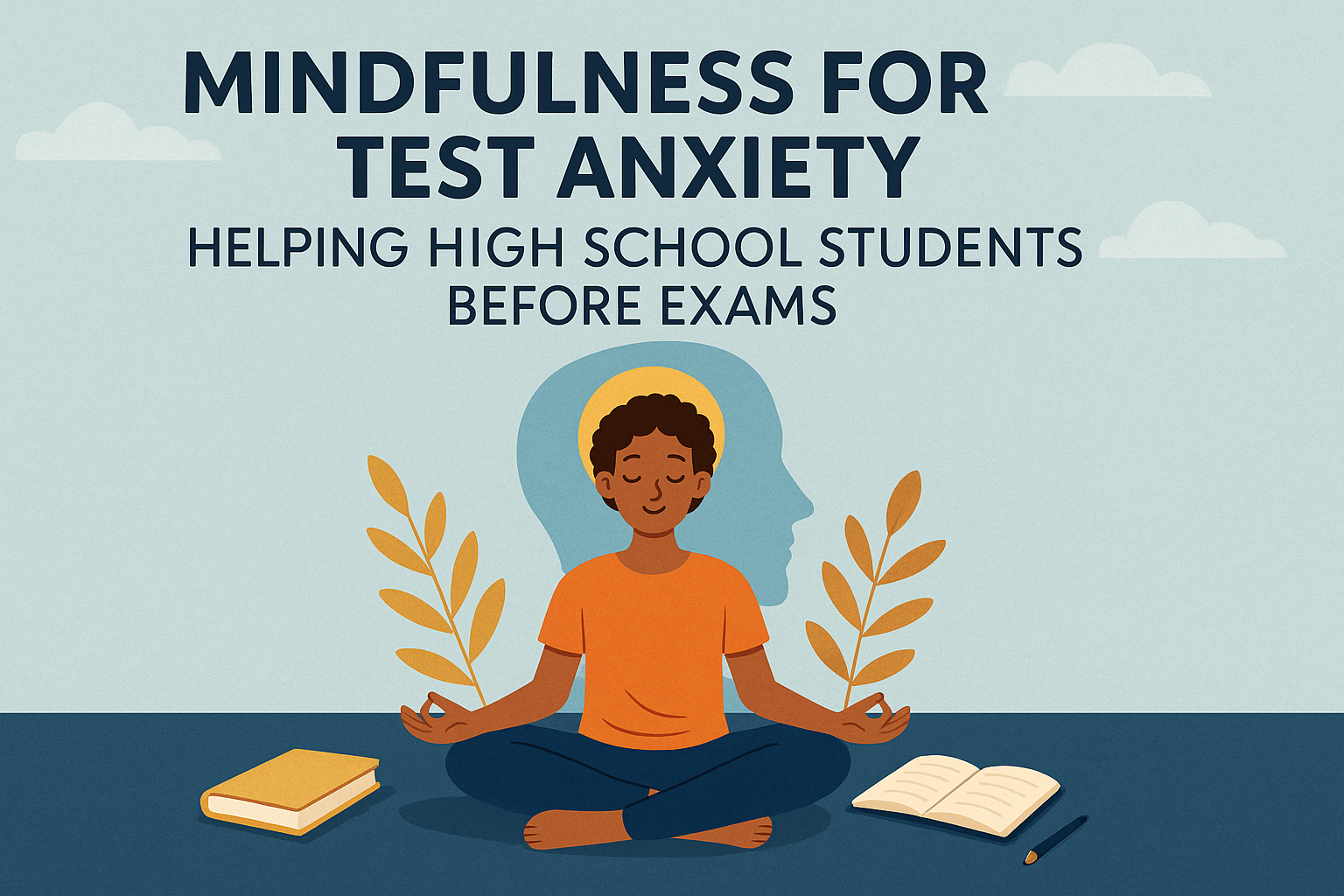
For many high school students, exams can be a source of immense stress and anxiety. As the pressure to perform increases, so does the prevalence of test anxiety, which can hinder a student’s ability to recall information and perform at their best. Fortunately, one effective strategy to combat this challenge is mindfulness. In recent years, mindfulness practices have gained traction as a powerful tool for managing anxiety, and they are especially relevant in the context of test-taking. This article explores the connection between mindfulness and test anxiety, providing practical insights on how students can implement these techniques effectively.
Understanding Test Anxiety
Test anxiety is a psychological condition characterized by feelings of worry or fear related to an upcoming examination. According to research, approximately 25% to 40% of students experience significant test anxiety, which can result in poor performance and diminished confidence.
Common symptoms of test anxiety include physical reactions such as sweating, increased heart rate, and even nausea. Emotionally, students may grapple with feelings of dread, worry, and self-doubt. These symptoms can be debilitating, leading to a cycle of anxiety that can persist not just during exams, but in daily academic life.
Understanding the root causes of test anxiety is crucial for addressing it. Factors such as high parental expectations, perfectionism, and previous negative experiences with testing can contribute to a student’s anxiety levels. Recognizing these triggers allows both students and educators to develop targeted strategies to alleviate the stress associated with exams.
The Role of Mindfulness in Alleviating Anxiety
Mindfulness is defined as the practice of maintaining a moment-by-moment awareness of our thoughts, feelings, bodily sensations, and surrounding environment. This practice has its roots in ancient meditation traditions but has been increasingly adopted in modern psychology as a way to promote emotional well-being.
Research shows that mindfulness can significantly reduce anxiety levels. A study published in the journal Psychological Science found that practicing mindfulness techniques improved students’ test performance by reducing anxiety and increasing focus. This makes mindfulness not just a tool for emotional regulation, but also a means of enhancing academic performance.
Mindfulness encourages students to observe their thoughts without judgment, which is particularly beneficial in the high-pressure environment of exam preparation. Instead of getting caught up in anxious thoughts like “What if I fail?” or “I haven’t studied enough,” students learn to acknowledge these thoughts and redirect their focus to the present moment.
Practical Mindfulness Techniques for Students
Integrating mindfulness into daily routines can be simple and effective. Here are several practical techniques that high school students can use to manage test anxiety: (See: CDC resources on youth mental health.)
- Breathing Exercises: Deep breathing is one of the most accessible mindfulness techniques. Students can practice inhaling deeply through their nose for a count of four, holding for four, and exhaling slowly for a count of six. This method can help calm the nervous system and lower anxiety levels.
- Body Scan Meditations: This technique involves mentally scanning the body for areas of tension. Students should lie down comfortably, close their eyes, and focus on each part of their body, starting from the toes and moving up to the head, encouraging relaxation.
- Mindful Walking: Taking a walk while concentrating on the sensations of movement and the environment can be an effective way to practice mindfulness. Students should focus on their steps and their breathing, helping to clear the mind of anxious thoughts.
- Visualization: Students can imagine themselves walking into the exam room calm and collected. By visualizing a positive outcome, they can alleviate feelings of dread and instead feel empowered.
- Journaling: Writing down thoughts and feelings can help students process their anxiety. Journaling allows for reflection and can aid in identifying anxiety triggers, leading to better preparation strategies.
Incorporating Mindfulness into Study Routines
Mindfulness for test anxiety isn’t just about what students do during the exam; it’s about incorporating these practices into their overall study routines. Here are a few strategies to help students blend mindfulness with their study habits:
- Set Intentions: Before starting a study session, students can set an intention. This could be as simple as deciding to focus on one subject for a set amount of time without distractions. Setting this intention helps create a mindful approach to studying.
- Take Regular Breaks: Incorporating mindfulness breaks during study sessions can enhance focus. After 25-30 minutes of studying, students should take a 5-minute break to practice mindfulness techniques, allowing their minds to refresh.
- Create a Mindful Study Environment: Students should design a distraction-free study space that promotes mindfulness. This could include decluttering, using soft lighting, and playing calm background music to enhance concentration.
- Focus on Quality over Quantity: Instead of cramming information, students should prioritize understanding concepts through mindful study practices. Engaging with the material thoughtfully can reduce the pressure to memorize everything.
The Impact of Mindfulness on Academic Performance
Research supports the idea that mindfulness not only helps reduce anxiety but also positively impacts overall academic performance. A study conducted by the University of California, Los Angeles (UCLA) found that students who practiced mindfulness techniques showed improved focus, retention, and problem-solving skills.
Moreover, mindfulness helps to foster a growth mindset. Instead of viewing failures as catastrophic, students learn to see them as opportunities for growth and learning. This shift in perspective can alleviate the fear of making mistakes, which is often a significant contributor to test anxiety.
By cultivating mindfulness, students become better equipped to handle the stresses of academic life. They learn resilience, which translates into not just improved grades but also enhanced well-being.
Mindfulness in Schools: A Growing Trend
Recognizing the benefits of mindfulness, many schools are beginning to incorporate mindfulness programs into their curricula. Initiatives like the Mindful Schools program have seen success in teaching students mindfulness techniques. These programs provide educators with training to introduce mindfulness practices in the classroom, thereby creating a supportive environment for students.
Incorporating mindfulness into school culture can lead to a more positive and less stressful learning environment. Educators who model mindfulness can also influence their students, fostering a community that values emotional well-being alongside academic success.
Some schools have gone so far as to set aside specific times during the school day for mindfulness practices, such as guided meditation or mindfulness-based stress reduction exercises. These practices not only help students manage anxiety but also enhance focus and attentiveness in the classroom.
Challenges and Considerations
While the benefits of mindfulness for test anxiety are clear, it’s essential to acknowledge that implementing mindfulness practices may come with challenges. For many students, the concept of mindfulness may seem foreign or difficult to grasp initially. It may take time and practice before they experience its benefits. (See: Research on mindfulness and anxiety.)
Additionally, students with severe anxiety or mental health issues should seek professional guidance. Mindfulness can be a powerful tool, but it is not a substitute for professional help when needed. Schools and educators must also approach mindfulness with sensitivity and understanding, ensuring that students feel supported in their journey toward managing anxiety.
Furthermore, it’s essential to stress that mindfulness is not a one-size-fits-all solution. Different techniques resonate with different individuals, and students should be encouraged to explore various methods to find what works best for them.
Frequently Asked Questions (FAQ)
What are some signs that I may have test anxiety?
Common signs include excessive worrying about the test, physical symptoms like sweating or trembling, difficulty concentrating, and feelings of panic. If you notice these symptoms regularly before exams, it may indicate test anxiety.
Can mindfulness really help everyone with test anxiety?
While many students find mindfulness beneficial, its effectiveness can vary. Some may respond well to mindfulness techniques, while others might need different strategies. It’s important to experiment with various methods to find what works best for you.
How long does it take to see results from mindfulness practices?
Results can vary widely depending on the individual and the consistency of practice. Some students report feeling calmer after just a few sessions, while others may take weeks or longer to notice significant changes.
Are there any specific mindfulness resources for students?
Yes! There are numerous apps like Headspace and Calm that provide guided meditations tailored for students. Additionally, local organizations may offer mindfulness workshops specifically designed for high school students.
Can mindfulness practices be incorporated into other areas of life beyond studying?
Absolutely! Mindfulness can be applied in various scenarios, such as sports, relationships, and everyday activities. Practicing mindfulness in different areas can enhance overall emotional well-being and reduce stress.
Encouraging Mindfulness Practices at Home
Parents and guardians can play a vital role in helping students cultivate mindfulness for test anxiety. By creating an environment that encourages mindfulness practices, families can support their students in managing stress more effectively. Here are some suggestions:
- Mindful Evenings: Encourage a family routine that includes mindful activities, such as discussing the day’s events with a focus on positive experiences or sharing thoughts through journaling.
- Practice Together: Families can engage in mindfulness exercises together, such as meditation or yoga, fostering a sense of unity and reducing individual stress levels.
- Limit Screen Time: Encourage students to take breaks from screens, especially before bedtime. This helps them unwind and focus on mindfulness practices without distractions.
- Model Mindfulness: Parents can model mindfulness by sharing their own practices, demonstrating how they manage stress, and discussing the benefits of mindfulness openly.
Statistical Evidence of Mindfulness Effectiveness
Several studies have highlighted the effectiveness of mindfulness techniques in reducing test anxiety. For instance, a research review published in the Journal of Educational Psychology found that mindfulness interventions led to a significant decrease in anxiety levels among students. The review showed that 60% of participants reported feeling less anxious during tests after engaging in mindfulness practices regularly.
Additionally, a survey conducted among 1,000 high school students revealed that 75% who practiced mindfulness techniques reported an improvement in their overall mental health and academic performance. These statistics emphasize the potential of mindfulness as a powerful tool for students facing test anxiety.
Conclusion: Embracing Mindfulness for Lasting Change
Incorporating mindfulness into the lives of high school students can be a transformative approach to managing test anxiety. By learning to cultivate awareness and focus through mindfulness techniques, students can not only reduce their anxiety but also improve their academic performance and overall mental well-being.
As educators and parents, fostering an environment that supports mindfulness practices can empower students to face exams with resilience and confidence. In a world that continually pushes students toward achievement, mindfulness serves as a gentle reminder that emotional well-being is just as crucial as academic success. As more schools embrace mindfulness, we can hope to see a generation of students who are not only informed but also emotionally intelligent and prepared to tackle challenges head-on.
“`
Trending Now
Frequently Asked Questions
What is test anxiety and how does it affect students?
Test anxiety is a psychological condition marked by intense worry or fear regarding upcoming exams, affecting about 25% to 40% of students. Symptoms include physical reactions like sweating and increased heart rate, as well as emotional struggles such as dread and self-doubt, which can negatively impact academic performance.
How can mindfulness help with test anxiety?
Mindfulness helps students manage test anxiety by promoting moment-to-moment awareness of thoughts and feelings. This practice allows students to recognize and address their anxiety triggers, fostering a calmer mindset and improving focus during exams, ultimately enhancing their performance.
What are some mindfulness techniques for students before exams?
Students can practice mindfulness techniques like deep breathing exercises, guided meditations, or mindful observation to reduce anxiety. Engaging in these practices regularly can help students cultivate a sense of calm and improve their ability to concentrate during tests.
What causes test anxiety in high school students?
Test anxiety can stem from various factors, including high parental expectations, perfectionism, and negative past experiences with testing. Understanding these triggers is essential for students and educators to develop effective strategies for managing anxiety and improving exam performance.
What are the symptoms of test anxiety?
Common symptoms of test anxiety include physical reactions such as sweating, a racing heart, and nausea, alongside emotional responses like dread, worry, and self-doubt. These symptoms can hinder a student's ability to perform well on exams and affect their overall academic experience.
Have you experienced this yourself? We’d love to hear your story in the comments.