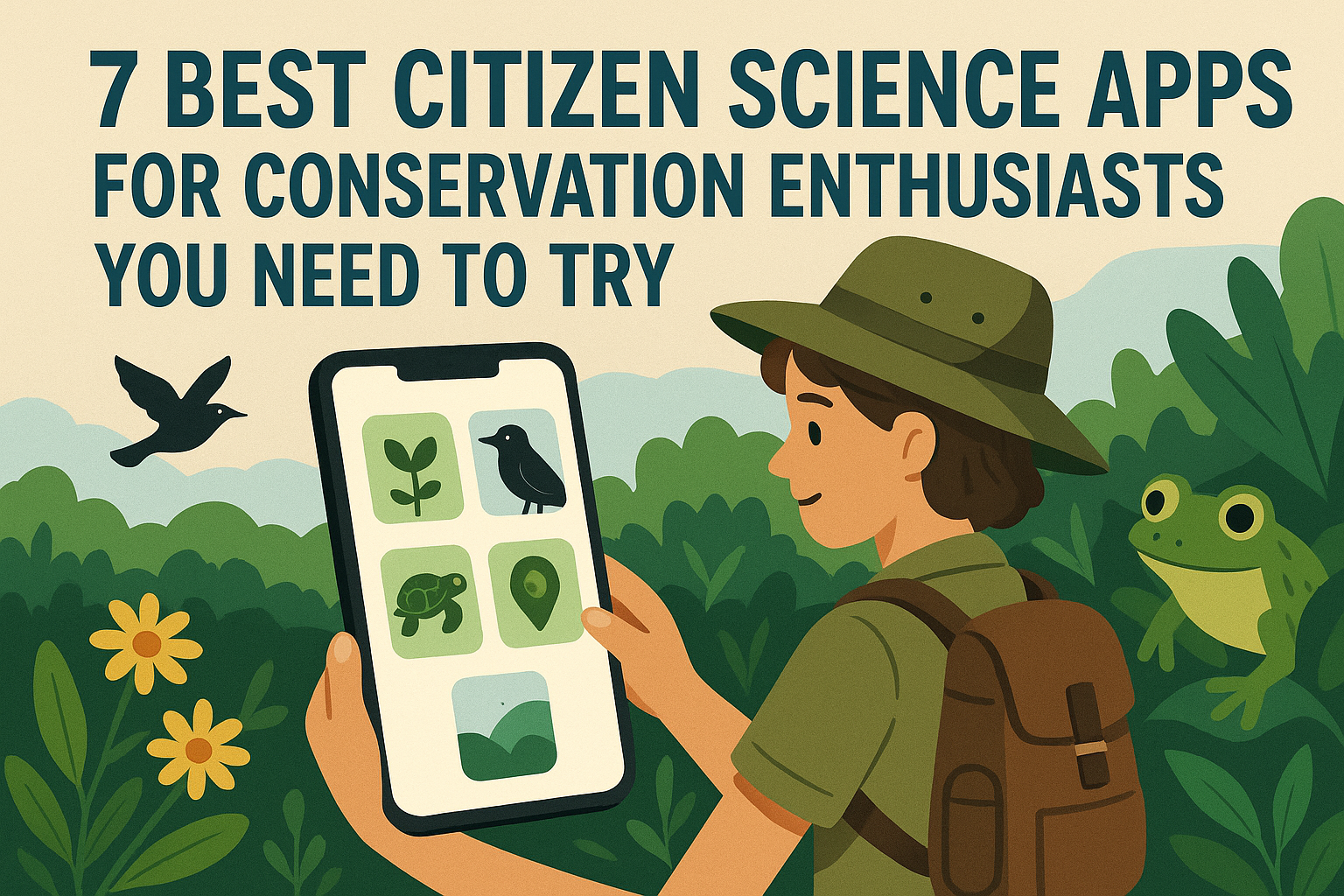

Citizen science has emerged as a powerful tool for conservationists around the globe. By leveraging technology, ordinary people can contribute meaningfully to scientific research and biodiversity monitoring. Apps designed for citizen science not only offer a platform for data collection but also engage users in the process of understanding and protecting our environment. This article explores the best citizen science apps for conservation, detailing their features, usability, and the types of projects they support.
1. iNaturalist: Your Personal Nature Journal
iNaturalist stands out as one of the leading citizen science apps for conservation enthusiasts. Launched in 2008, this app allows users to record their observations of flora and fauna. Users can take photographs of plants and animals, which are then uploaded to the platform where experts and other users can help identify them. This collaborative nature of the app transforms individual observations into valuable biodiversity data.
One of the key features of iNaturalist is its robust community of users who can offer feedback on your observations. The app is not just a catalog for personal use; it contributes to scientific projects aimed at understanding species distribution. In 2020, the app reported over 20 million observations, making it a cornerstone of global biodiversity monitoring. By participating in iNaturalist, you’re not just recording your nature walks; you’re contributing to important scientific research.
2. eBird: The Birdwatcher’s Ultimate Tool
If you’re a bird enthusiast, then eBird is the app for you. Developed by the Cornell Lab of Ornithology, eBird allows birdwatchers to log their sightings, helping researchers collect data on bird populations and migratory patterns. With over 1 billion observations reported since its inception in 2002, eBird has become a vital resource for ornithological research.
Beyond simple data collection, eBird offers features like customizable checklists, alerts for rare species, and even tools to help with bird identification. This makes it not only useful for seasoned birders but also accessible for beginners. The app fosters a community spirit among birdwatchers, encouraging users to share their experiences and findings. By participating in eBird, you’re joining a global effort to monitor bird populations and protect avian habitats.
3. PlantNet: Identifying Plants Made Easy
PlantNet is an innovative app focused on the identification of plants by using image recognition technology. Simply upload a picture of a plant, and the app suggests potential species based on its database of over 20,000 plants. This app is particularly useful for conservationists interested in understanding plant diversity in their local ecosystems.
Aside from identification, PlantNet plays a vital role in collecting data for scientific research. When users upload images, they contribute to the app’s database, assisting researchers in studying plant populations and their distributions. This collective effort enables a deeper understanding of plant species, their ecological roles, and conservation needs. With PlantNet, you’re not just identifying plants; you’re actively contributing to research aimed at conserving biodiversity.
4. Zooniverse: A Hub for Diverse Projects
Zooniverse is one of the largest platforms for crowd-sourced scientific research, hosting a variety of projects across multiple fields, including conservation. Users can participate in tasks such as classifying images, transcribing historical documents, and even identifying species in environmental data. This versatility makes Zooniverse an excellent app for those who want to explore different areas of research. (See: CDC on Youth Engagement in Science.)
The app thrives on the power of collaboration, bringing together volunteers from all over the world to contribute to scientific endeavors. One notable project is the “Snapshot Serengeti,” where users help identify animals in camera trap images from Tanzania’s Serengeti National Park. These contributions provide critical data for wildlife management and conservation strategies. With Zooniverse, you’re part of a global community working towards solving some of the most pressing scientific questions today.
5. Froglife: Protecting Amphibians
The Froglife app is dedicated to the conservation of amphibians and reptiles. By using this app, users can report sightings of frogs, toads, and other amphibians in their local areas, contributing to vital data that informs conservation strategies. This initiative is crucial, given the global decline in amphibian populations.
Froglife also provides educational resources about the species you encounter, fostering a deeper appreciation and understanding of these often-overlooked creatures. By engaging with the app, you not only help monitor amphibian populations but also increase awareness about their conservation needs. If you’re passionate about protecting wildlife, Froglife is an essential tool in your conservation toolkit.
6. Wildlife Spotting: Making Every Observation Count
The Wildlife Spotting app encourages users to share their wildlife sightings, contributing to localized conservation efforts. Users can record sightings of different species, including mammals, birds, reptiles, and insects. The app provides interactive features such as maps that show where certain species have been spotted, allowing users to see biodiversity in their vicinity.
One of the standout features of Wildlife Spotting is its integration with local conservation organizations. This collaboration ensures that the data collected is used effectively to inform local conservation initiatives. By documenting wildlife in your area, you’re helping to build a clearer picture of local ecosystems and the challenges they face. Wildlife Spotting serves as an excellent reminder that every observation can contribute to a bigger conservation effort.
7. Marine Debris Tracker: Combating Ocean Pollution
The Marine Debris Tracker app focuses on a pressing environmental issue: ocean pollution. Users can report incidents of marine debris, including plastic waste, providing crucial data that helps researchers understand pollution patterns and sources. This information is vital for developing strategies to combat marine pollution and protect marine ecosystems.
By using the Marine Debris Tracker, you become an active participant in the fight against ocean pollution. The app not only empowers you to document pollution but also raises awareness about the impact of waste on marine life. Engaging with this app helps support conservation initiatives aimed at maintaining the health of our oceans. In a time when ocean conservation is more critical than ever, every report can make a difference.
8. Project Noah: Documenting Nature
Project Noah is a unique app that blends citizen science with social networking, allowing users to document and share their wildlife observations. The app encourages users to explore their surroundings and capture images of local wildlife, contributing to a shared database that aids in biodiversity studies. Project Noah not only helps in data collection but also inspires a sense of community among nature enthusiasts.
This app features a ‘missions’ section where users can participate in specific projects that align with their interests, from documenting local species to tracking changes in biodiversity over time. With its educational component and community-driven approach, Project Noah makes it easy for anyone to engage with nature while contributing valuable data for conservation efforts. Whether you’re in your backyard or on an expedition, your observations can help track ecological changes and aid in conservation strategies. (See: Impact of Citizen Science on Biodiversity.)
9. Nature’s Notebook: A Phenology Tracking Tool
Nature’s Notebook is a citizen science app that focuses on phenology, the study of seasonal changes in plants and animals. Users can track the life cycle events of plants and animals, such as blooming, leafing out, and migration patterns. This data is crucial for understanding how climate change impacts ecosystems and species behavior.
The app guides you through the process, providing protocols and resources to ensure accurate data collection. By engaging with Nature’s Notebook, you’re contributing to a database that informs scientists about environmental changes and their biological consequences. This app is particularly valuable for educators and students, as it offers hands-on learning opportunities while fostering a deeper connection with nature.
10. Citizen Science App: Your Gateway to Various Projects
The Citizen Science App serves as a gateway to numerous projects across various fields, from ecology to astronomy. Users can browse projects that interest them and contribute data according to their skills and preferences. This flexibility allows everyone, regardless of expertise, to participate in scientific research.
Each project is designed with specific parameters, encouraging users to collect and report data that aligns with the needs of the scientific community. By engaging with the Citizen Science App, you’re not only learning about different scientific disciplines but also making a tangible contribution to research initiatives worldwide. The collaborative nature of this app fosters a sense of belonging within the citizen science community, making it an excellent choice for anyone eager to make a difference.
Conclusion: Your Role in Conservation
Engaging with these best citizen science apps for conservation empowers you to play a vital role in protecting our planet. Whether you’re identifying species, reporting pollution, or contributing to biodiversity monitoring, your participation can enhance scientific research and inform conservation strategies. Each app offers unique features and projects that cater to various interests and expertise levels, ensuring that anyone can contribute meaningfully to conservation efforts.
As we face escalating environmental challenges, citizen science serves as a bridge between scientific research and public engagement. By harnessing the collective power of individuals, we can create a significant impact on conservation efforts worldwide. If you have a passion for nature and want to make a difference, download one of these apps and start contributing today — the planet needs your help!
Frequently Asked Questions (FAQ)
What is citizen science?
Citizen science involves public participation in scientific research, where individuals contribute their time, resources, and observations to help scientists gather data and address real-world problems. This collaborative approach enhances research quality and fosters a deeper connection between the public and science.
How can I get started with citizen science apps?
Getting started is easy! Choose an app that aligns with your interests, such as birdwatching, plant identification, or pollution reporting. Download the app, create an account, and start participating in projects that excite you. Many apps provide tutorials and guides to help you navigate the features.
Are citizen science contributions valuable?
Absolutely! Contributions from citizen scientists provide crucial data that scientists may not be able to gather alone. This data is used for various purposes, including monitoring biodiversity, understanding climate change impacts, and informing conservation strategies. Every observation counts!
Can I participate in multiple citizen science projects at once?
Yes! Many citizen science apps allow you to engage in multiple projects simultaneously. You can choose projects based on your interests and schedule, enabling you to contribute to various areas of research and conservation.
Do I need specific skills to participate?
No specific skills are required to get involved in citizen science! Most apps provide easy-to-follow instructions and resources. Whether you’re a beginner or an expert, there’s a project for you. The primary requirement is a willingness to learn and engage with nature.
How do these apps help with conservation efforts?
These apps help by collecting important data on biodiversity, pollution, and species health. This data informs scientists and conservation organizations about the status of ecosystems and species, guiding conservation actions and policies. Your contributions directly support efforts to protect and restore our environment.
What impact can I make by using these apps?
Your impact can be significant! By reporting observations, identifying species, and documenting environmental changes, you contribute to a larger understanding of ecological health. This information can influence conservation initiatives, policies, and community awareness, helping to protect our planet for future generations.
Trending Now
- this guide on join nooro as an ios developer: a unique opportunity to shape senior wellness
- this guide on 12 engaging emotional intelligence activities for kids to foster growth
- the complete explanation
- this guide on 7 essential strategies for boosting emotional intelligence in preschoolers
- 7 Effective Emotional Intelligence Activities for Kindergarten Kids That Really Work
Frequently Asked Questions
What are the best citizen science apps for conservation?
The best citizen science apps for conservation include iNaturalist, eBird, and others that facilitate data collection and biodiversity monitoring. These apps allow users to engage in scientific research by recording observations of flora and fauna, contributing to global conservation efforts.
How does iNaturalist work for citizen scientists?
iNaturalist allows users to document their observations of plants and animals by uploading photographs. The community, including experts, helps identify species, turning individual contributions into valuable biodiversity data that supports scientific research.
What features does the eBird app offer?
eBird provides birdwatchers with tools to log sightings and track migratory patterns. It includes customizable checklists and a vast database of over 1 billion observations, making it an essential resource for ornithological research and bird enthusiasts.
Can anyone participate in citizen science through apps?
Yes, anyone can participate in citizen science through apps like iNaturalist and eBird. These platforms are designed for users of all experience levels, enabling ordinary people to contribute to scientific data collection and environmental conservation.
Why is citizen science important for conservation?
Citizen science is crucial for conservation as it leverages the collective efforts of individuals to gather extensive data on biodiversity and environmental changes. This data supports scientific research, informs conservation strategies, and raises public awareness about ecological issues.
Have you experienced this yourself? We’d love to hear your story in the comments.