
A emerging trend in Social and Emotional Learning is its increasing alignment with career readiness initiatives. This shift recognizes that the skills fostered by SEL – such as self-awareness, relationship building, and responsible decision-making – are not just crucial for academic success, but are also highly valued in the modern workplace.
One key aspect of this trend is the integration of SEL into career and technical education (CTE) programs. Many schools are now explicitly teaching social and emotional skills alongside technical skills in their CTE courses. For instance, a culinary arts program might include lessons on teamwork and stress management, recognizing these as essential skills in a professional kitchen environment.
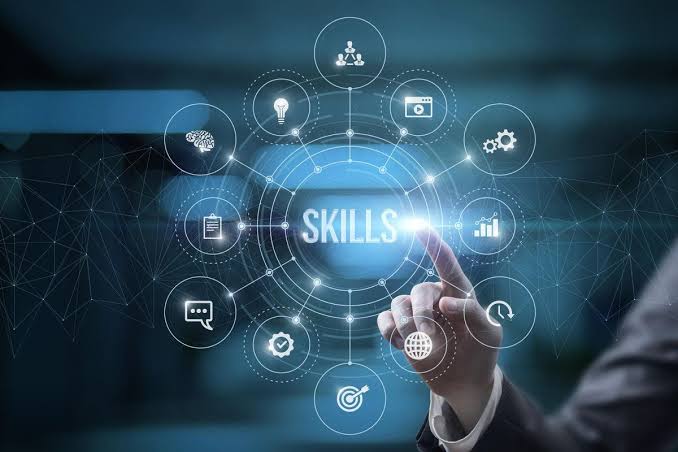
Another important element is the focus on “soft skills” or “21st-century skills” that are increasingly demanded by employers. These include things like adaptability, creativity, and effective communication – all of which have strong connections to SEL competencies. Schools are developing programs that help students understand the relevance of these skills to their future careers and provide opportunities to practice them in real-world contexts.
The trend towards SEL and career readiness also includes a growing emphasis on entrepreneurship education. Many of the skills required for successful entrepreneurship – such as self-motivation, resilience, and social awareness – align closely with SEL competencies. Some schools are creating “startup incubators” or business plan competitions that allow students to apply their social and emotional skills in an entrepreneurial context.
Internship and work-based learning programs are also being redesigned to more explicitly incorporate SEL. This might involve pre-internship training on professional behavior and emotional intelligence, or structured reflection activities that help students process the social and emotional aspects of their work experiences.
There’s also a trend towards using technology to connect SEL and career readiness. Some schools are using virtual reality simulations to allow students to practice job interviews or navigate difficult workplace scenarios, providing a safe space to apply their social and emotional skills.
Assessment in this area is evolving as well. Some schools are experimenting with “SEL portfolios” that students can use to demonstrate their social and emotional competencies to potential employers. These might include evidence of leadership experiences, conflict resolution skills, or ability to work in diverse teams.
However, aligning SEL with career readiness is not without challenges. There’s a risk of instrumentalizing SEL, potentially reducing it to a set of workplace skills rather than a holistic approach to human development. Educators need to balance preparing students for the workforce with fostering their overall well-being and personal growth.
Another challenge is ensuring equity in these initiatives. Not all students have equal access to internships or entrepreneurship opportunities, and there’s a risk of exacerbating existing disparities if these programs are not designed with equity in mind.
There’s also the challenge of keeping up with the rapidly changing nature of work. The skills needed for career success are evolving quickly, and SEL programs need to be flexible enough to adapt to these changes.
As this trend continues to evolve, we can expect to see more collaboration between educators, employers, and workforce development agencies. This might lead to the development of more industry-specific SEL curricula, or the creation of SEL certifications recognized by employers.
The ultimate goal of aligning SEL with career readiness is to prepare students not just for their first job, but for a lifetime of career success and personal fulfillment. By explicitly connecting social and emotional skills to workplace demands, educators hope to make SEL more relevant and motivating for students, while also producing graduates who are well-equipped for the challenges of the modern workforce. As this trend matures, it has the potential to bridge the often-perceived gap between academic learning and real-world application, creating a more seamless transition from school to work.