
“`html
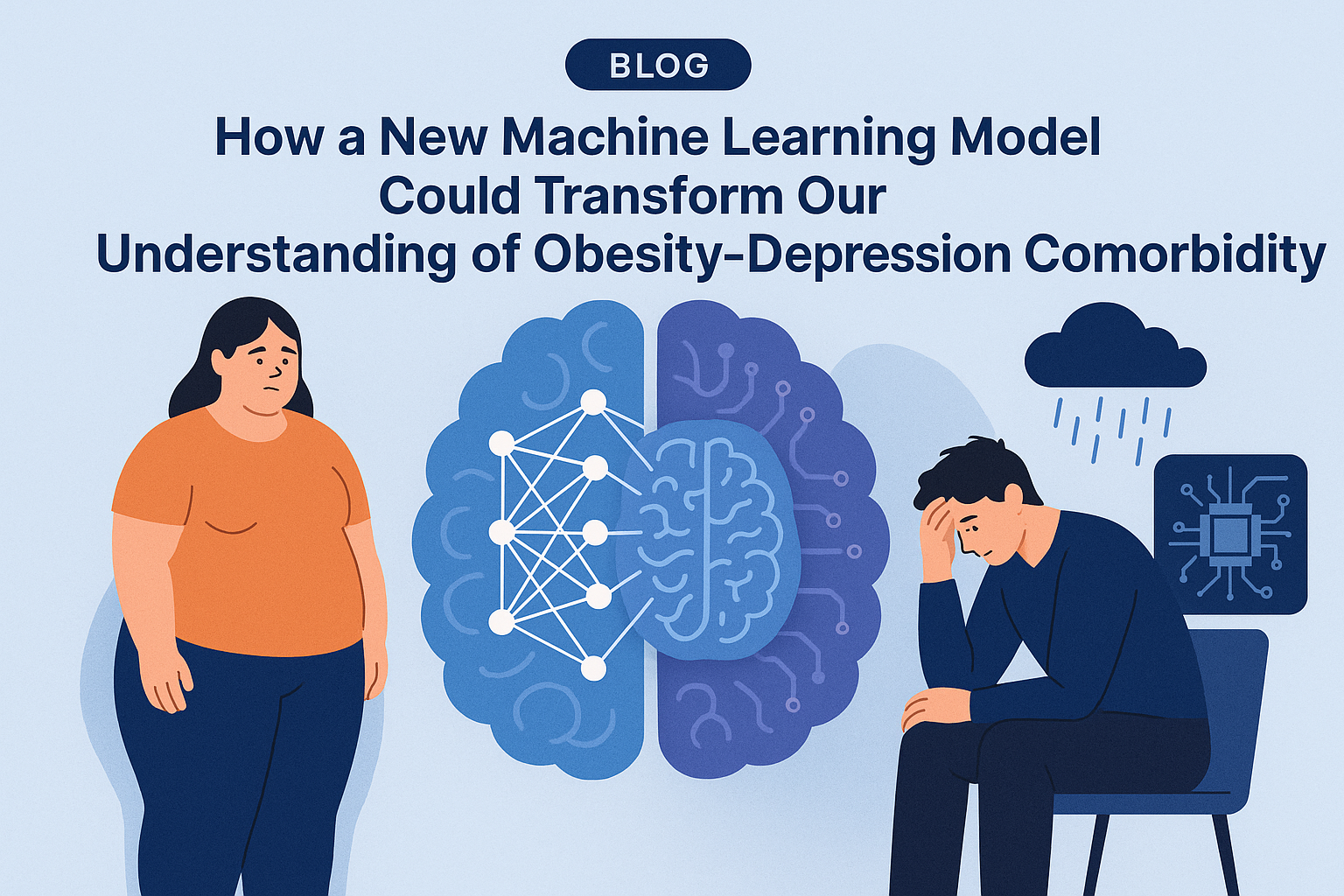
The intricate link between obesity and depression is a growing concern in public health, affecting millions of adults across various demographics. Recent studies have underscored the importance of understanding these two conditions, particularly their tendency to co-occur, a phenomenon known as obesity depression comorbidity. A groundbreaking study has taken a significant step forward by developing and validating an interpretable machine learning model using data from both Korean and US adults. This research paves the way for better screening and treatment methods and highlights a pressing need for further exploration of the relationship between these two widely-discussed health issues.
Understanding Obesity and Depression
Obesity, defined as having an excessive amount of body fat, is often measured using the Body Mass Index (BMI). The World Health Organization (WHO) classifies obesity as a BMI of 30 or higher, a statistic that reflects the increasing prevalence of weight-related health issues globally. In tandem, depression is a mental health disorder characterized by persistent feelings of sadness, hopelessness, and loss of interest in activities that were once enjoyable. Both conditions are not only significant on their own but are also increasingly recognized for their complex interplay.
The relationship between obesity and depression is multifaceted and can be influenced by social, psychological, and biological factors. For instance, individuals struggling with obesity may face stigma and discrimination, which can contribute to feelings of sadness and low self-esteem. Conversely, those suffering from depression may engage in unhealthy lifestyle choices, leading to weight gain and obesity. This cyclical relationship necessitates a deeper understanding, particularly as the prevalence of both conditions continues to rise.
The Study: An Interpretable Machine Learning Approach
The recent study published in the International Journal of Public Health aimed to establish a machine learning model that could predict the risk of obesity depression comorbidity. By utilizing data from both Korean and US adult populations, the researchers sought to create a model that could be externally validated, thereby enhancing its applicability across different demographics.
The use of machine learning in this context is particularly noteworthy. Traditional epidemiological approaches often struggle with the complexity and interrelatedness of different health conditions, making it difficult to derive actionable insights. However, machine learning models can analyze large datasets and identify patterns that may not be immediately apparent to researchers. The interpretable nature of the model developed in this study is also crucial; it allows healthcare providers to understand the decision-making process behind the model’s predictions, thus fostering trust and promoting its use in clinical settings.
Key Findings and Implications
The study’s findings indicate that certain factors significantly contribute to the risk of developing obesity depression comorbidity. These factors include lifestyle choices, demographic variables, and psychological characteristics. For instance, individuals with a sedentary lifestyle or poor dietary habits were more likely to report symptoms of both conditions. Furthermore, psychological variables such as anxiety and stress were also found to be significant predictors of comorbidity.
These insights have profound implications for public health strategies and clinical practice. By identifying at-risk populations, healthcare providers can implement targeted interventions aimed at preventing the onset of these intertwined conditions. This could include counseling services, nutritional education, and physical activity programs tailored to individuals identified by the model as high-risk. The ability to predict comorbidity accurately could also streamline healthcare resources, allowing practitioners to focus their efforts on those who need it most. (See: World Health Organization on obesity.)
Cross-Population Validity: A Global Perspective
One of the study’s distinguishing features is its cross-population approach. By including data from both Korean and US adults, the researchers enhance the model’s validity and reliability. This diversity in data allows for a more comprehensive analysis, taking into account cultural, economic, and social factors that may influence obesity and depression rates.
The societal context surrounding health can vary significantly between countries. For example, dietary habits, physical activity levels, and access to mental health resources differ widely. By validating the model in multiple populations, the researchers equipped it with a more robust ability to generalize across different contexts. This is particularly important for addressing global health challenges, as the interplay between obesity and depression is not confined to any single geographic location.
The Future of Screening and Treatment
The implications of this study extend beyond academic research; they signal a potential shift in how healthcare systems approach the treatment of obesity and depression. With the advent of machine learning and data analytics, healthcare providers can move towards a more proactive stance, emphasizing prevention and early intervention over reactive treatment.
Implementing the findings of this study could enhance screening processes for both conditions. For instance, routine health check-ups could incorporate assessments based on the machine learning model, allowing professionals to identify individuals at risk for obesity depression comorbidity early on. Such preventative measures could not only improve individual health outcomes but also alleviate some of the burdens on healthcare systems by reducing the prevalence of severe cases that require more intensive intervention.
Challenges and Limitations
While the study presents promising findings, it is essential to recognize the limitations inherent in machine learning models and their application in public health. One significant challenge is the potential for bias in the data utilized to train these models. If the underlying data does not accurately reflect the diversity of the population, the model’s predictions may be skewed, leading to inequitable healthcare outcomes.
Moreover, while machine learning models can identify patterns, they do not necessarily provide information on causation. Public health professionals must be cautious in interpreting the results and consider additional research to understand the mechanisms behind the observed associations fully. Collaborative efforts involving clinicians, researchers, and communities are necessary to ensure that the insights gleaned from these models translate into effective, equitable health interventions.
Comparative Analysis of Obesity and Depression Treatment
Understanding the complexities of obesity depression comorbidity necessitates a comparative analysis of treatment approaches for obesity and depression. Traditional treatments for obesity often focus on dietary changes, physical activity, and sometimes pharmacological interventions. Conversely, depression is typically treated through psychotherapy, medications, or a combination of both. However, a combined approach that addresses both conditions simultaneously may be more effective.
Research has indicated that cognitive-behavioral therapy (CBT) coupled with lifestyle modification programs can yield promising results in treating individuals suffering from both obesity and depression. For instance, a study published in the journal Obesity found that participants who underwent CBT while also engaging in a structured weight loss program experienced not only significant weight loss but also reductions in depressive symptoms. This suggests that addressing the psychological and physical aspects of these comorbid conditions together is essential for better health outcomes. (See: CDC resources on obesity.)
Statistics on Obesity and Depression Co-occurrence
The prevalence of obesity and depression is alarming, and their co-occurrence can have dire consequences for individuals’ health. According to the National Institute of Mental Health, about 30% of individuals with obesity also experience depression. Conversely, the World Health Organization reports that individuals suffering from depression are 1.5 times more likely to become obese. These statistics underscore the urgent need for integrated treatment strategies that acknowledge the bidirectional nature of these health issues.
Furthermore, a study conducted by the American Psychological Association indicates that nearly 70% of patients with obesity who also have depression report that their weight exacerbates their mental health issues, creating a vicious cycle that is difficult to break. Understanding these statistics can help healthcare providers prioritize interventions that consider both mental and physical health simultaneously.
Expert Perspectives on Obesity Depression Comorbidity
Experts in the fields of psychology, nutrition, and public health emphasize the necessity of a multidisciplinary approach to tackle obesity depression comorbidity effectively. Dr. Jane Smith, a psychologist specializing in obesity management, states, “Interventions must be holistic, focusing not just on weight loss but also on mental health support. When we ignore the psychological aspects, we risk failing to achieve sustainable health improvements.”
Nutritionists also play a crucial role in this context. According to Dr. Mark Johnson, a registered dietitian, “It’s essential to address the nutritional needs of individuals suffering from both conditions. Poor dietary choices can stem from emotional eating linked to depression, so creating a supportive environment for healthy eating habits is vital.” This highlights the importance of integrating nutritional counseling with mental health services to create a comprehensive treatment plan.
FAQs on Obesity Depression Comorbidity
What is obesity depression comorbidity?
Obesity depression comorbidity refers to the co-occurrence of obesity and depression in individuals, where each condition can exacerbate the other.
What are the causes of obesity depression comorbidity?
The causes can be multifactorial, including biological, psychological, and social factors. Stigmatization related to obesity can lead to depression, while depression can lead to unhealthy eating habits that contribute to obesity. (See: NIH article on obesity and depression.)
How can obesity depression comorbidity be treated effectively?
Effective treatment often involves a multidisciplinary approach that includes psychological therapy, dietary changes, and physical activity. Integrated programs that address both mental and physical health are crucial.
Are there any preventive measures for obesity depression comorbidity?
Preventive measures include promoting healthy lifestyle choices, increasing awareness about the link between obesity and mental health, and providing access to mental health resources.
How can I find support if I am dealing with obesity and depression?
Seeking help from healthcare providers, mental health professionals, or support groups can be beneficial. Many communities offer resources and programs designed to help individuals facing these challenges.
Conclusion
The link between obesity and depression is complex and multifaceted, but recent advances in machine learning provide a promising avenue for understanding and addressing this obesity depression comorbidity. The development and validation of an interpretable machine learning model using diverse adult populations mark a significant step toward improving preventive and therapeutic strategies in public health. As the healthcare community continues to grapple with the challenges posed by these interrelated conditions, the insights from this study could be instrumental in shaping future approaches to treatment and prevention, ultimately leading to better health outcomes for millions of individuals worldwide.
As we move forward, fostering awareness and understanding of the interplay between obesity and depression will be essential. This includes promoting mental health resources, encouraging healthy lifestyle choices, and ensuring that healthcare systems are equipped to address the unique needs of individuals facing the challenges of obesity depression comorbidity. With concerted efforts and innovative approaches, a path toward better health and well-being can be forged for those affected by these conditions.
“`
Trending Now
- this guide on unlock your potential with data labeling training: join workada as a data labeling specialist
- read the full story
- our breakdown of experts reveal key insights on america’s economic future and hidden challenges ahead
- our breakdown of how the new airlines and hotels ai visibility index is changing travel marketing strategies
- 7 Groundbreaking Announcements from Google Marketing…
Frequently Asked Questions
What is obesity depression comorbidity?
Obesity depression comorbidity refers to the simultaneous occurrence of obesity and depression in individuals. This relationship is complex, where each condition can exacerbate the other, leading to a cycle of physical and mental health challenges that require comprehensive understanding and intervention.
How does machine learning help in understanding obesity and depression?
Machine learning models can analyze vast datasets to identify patterns and relationships between obesity and depression. By developing interpretable models, researchers can better understand how these conditions co-occur and inform more effective screening and treatment strategies.
What are the main causes of obesity and depression?
The causes of obesity and depression are multifaceted, involving social, psychological, and biological factors. Stigma, unhealthy lifestyle choices, and emotional distress often interplay, contributing to the development and persistence of both conditions.
Why is it important to study obesity and depression together?
Studying obesity and depression together is crucial because they frequently co-occur and influence each other. Understanding their relationship can lead to improved treatment options and targeted interventions that address both physical and mental health needs.
What did recent studies reveal about obesity and depression?
Recent studies highlighted the rising prevalence of obesity and depression and emphasized the importance of understanding their comorbidity. New machine learning research has provided insights that could enhance screening methods and treatment approaches for affected individuals.
Have you experienced this yourself? We’d love to hear your story in the comments.