
“`html
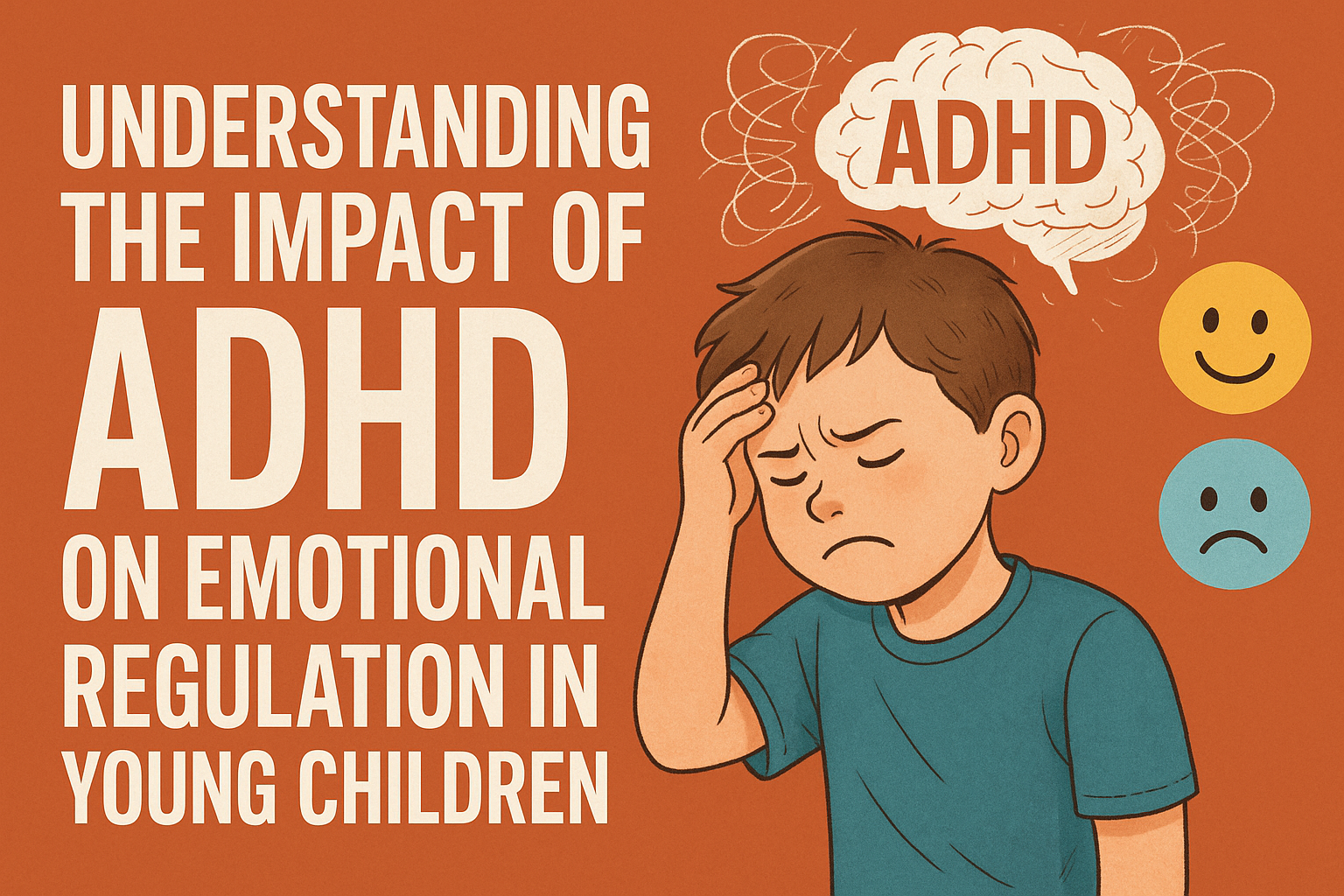
Attention-Deficit/Hyperactivity Disorder (ADHD) is a neurodevelopmental disorder that significantly impacts emotional regulation in children, particularly in preschool and elementary students. With an estimated prevalence of 5-10% among school-aged children, ADHD presents unique challenges that go beyond inattention and hyperactivity. One of its most profound effects is on the ability to manage emotions, leading to difficulties in social interactions, academic performance, and overall well-being. This article delves into the intricacies of how ADHD affects emotional regulation in children, providing insights for parents, educators, and mental health professionals alike.
Understanding ADHD and Its Symptoms
ADHD is characterized by a persistent pattern of inattention and/or hyperactivity-impulsivity that interferes with functioning or development. The symptoms typically fall into two main categories:
- Inattentive symptoms: Difficulty sustaining attention, failure to follow through on tasks, lack of organization, and forgetfulness.
- Hyperactive-impulsive symptoms: Fidgeting, interrupting others, difficulty waiting for a turn, and excessive talking.
However, what is often overlooked are the emotional challenges that accompany these behavioral symptoms. Children with ADHD often experience heightened emotional responses, such as frustration, anger, and sadness, which can lead to outbursts and meltdowns. Understanding these symptoms is crucial for caregivers to provide appropriate support.
The Connection Between ADHD and Emotional Regulation
Emotional regulation refers to the processes by which individuals manage and respond to their emotional experiences. In children with ADHD, the ability to regulate emotions is often compromised. Research suggests that this impairment occurs due to dysregulation in the brain’s executive functions, which are responsible for managing thoughts and emotions.
Specifically, the prefrontal cortex, which plays a vital role in decision-making and impulse control, is often less active in children with ADHD. This diminished activity contributes to impulsive behaviors and emotional dysregulation. As a result, these children may react more intensely to negative experiences, struggle to calm down after a setback, or have difficulty expressing their feelings appropriately, which can lead to further challenges in social and academic settings.
The Effects of Emotional Dysregulation in Early Childhood
Emotional dysregulation in preschool and elementary students can have far-reaching consequences. Children with ADHD may face difficulties in forming and maintaining friendships due to their unpredictable emotional responses. For instance, a child may overreact to a minor setback, leading peers to perceive them as volatile or overly sensitive.
Furthermore, these emotional challenges can significantly impact academic performance. A child unable to control their emotions may struggle to focus on schoolwork, disrupt classroom activities, and miss out on learning opportunities. Studies indicate that children with ADHD often exhibit lower academic achievement, which can contribute to a cycle of frustration and diminished self-esteem.
The emotional fallout of ADHD can also affect family dynamics. Parents may feel overwhelmed by their child’s emotional outbursts, leading to increased stress and strained relationships. Moreover, siblings may feel neglected or become frustrated by the attention their ADHD-affected sibling requires. This context emphasizes the need for supportive interventions that address not only the child’s needs but also those of the entire family. (See: ADHD facts from the CDC.)
Strategies for Supporting Emotional Regulation in Children with ADHD
Given the challenges faced by children with ADHD concerning emotional regulation, it is crucial for parents, educators, and mental health professionals to implement effective strategies to support these children. Here are some key approaches:
1. Establishing Routines
Children with ADHD often thrive in structured environments. Establishing clear routines can help them understand what to expect throughout the day, reducing anxiety and emotional outbursts. Parents and teachers can create visual schedules or charts that outline daily activities, allowing children to feel more in control.
2. Teaching Coping Strategies
Teaching children specific coping strategies can empower them to manage their emotions more effectively. Techniques such as deep breathing exercises, counting to ten, or using a stress ball can help children calm down during emotionally charged moments. Role-playing scenarios can also provide opportunities to practice these skills in a safe environment.
3. Encouraging Open Communication
Fostering open communication between parents, teachers, and children is essential. Encouraging children to express their emotions and thoughts can help them feel understood and validated. Regular check-ins and discussions about feelings can promote emotional literacy and provide children with a toolkit for managing their emotions.
4. Positive Reinforcement
Positive reinforcement can be a powerful tool in promoting emotional regulation. Praising children for using appropriate coping strategies or successfully managing their emotions can motivate them to continue developing these skills. Rewards systems, such as earning points for positive behaviors, can also encourage children to engage in self-regulation practices.
5. Professional Support
In some cases, children with ADHD may benefit from professional support. Behavioral therapy can help children learn skills for managing their emotions and improve their overall functioning. Additionally, consulting with a psychologist or psychiatrist may provide insights into medication options, which can help regulate emotional responses.
Recent Research and Current Trends
Recent studies have shed light on the significance of emotional regulation in children with ADHD. A study published in the Journal of Attention Disorders highlights the correlation between emotional dysregulation and the severity of behavioral symptoms in children with ADHD. This underscores the importance of addressing emotional issues in treatment plans for ADHD.
Moreover, there is a growing recognition of the need for schools to implement social-emotional learning (SEL) programs. These programs aim to foster emotional intelligence, self-awareness, and interpersonal skills in children, which are particularly beneficial for those with ADHD. By incorporating SEL into the curriculum, educators can create environments that support emotional regulation and promote positive behaviors. (See: National Institute of Child Health and Human Development.)
Understanding the Neurobiology of Emotional Regulation in ADHD
The neurobiological mechanisms underlying emotional regulation in children with ADHD are complex and multifaceted. Research indicates that children with ADHD often exhibit differences in brain structure and function, particularly in areas related to emotional processing and regulation. For instance, studies using functional MRI (fMRI) have shown that the amygdala, a region of the brain involved in emotional responses, can be hyperactive in children with ADHD, leading to heightened emotional reactions.
In addition, neurotransmitter systems, particularly those involving dopamine and serotonin, play crucial roles in emotional regulation. Children with ADHD may have dysregulated levels of these neurotransmitters, which can further exacerbate issues related to emotional control. Understanding the neurobiological underpinnings of ADHD can help guide more effective treatments and interventions for emotional dysregulation.
Common Misconceptions About ADHD and Emotional Regulation
There are several misconceptions surrounding ADHD and its impact on emotional regulation. One common myth is that children with ADHD are simply acting out or being defiant. In reality, their emotional responses are often a result of neurological differences that make regulation more challenging. Misunderstanding these reactions can lead to ineffective discipline strategies that do not address the root of the problem.
Another misconception is that emotional dysregulation is solely a behavioral issue. It is essential to recognize that emotional challenges in children with ADHD are tied to their neurodevelopmental condition, requiring a compassionate and informed approach. By debunking these myths, parents and educators can foster a more supportive environment for children with ADHD.
FAQs About ADHD Emotional Regulation in Children
Q1: How can I tell if my child’s emotional reactions are related to ADHD?
A1: Look for patterns in emotional responses, particularly in situations where peers or siblings may handle similar experiences more calmly. If your child consistently exhibits intense emotional reactions that disrupt their daily life, it may be a sign of emotional dysregulation linked to ADHD.
Q2: What role do parents play in helping children regulate their emotions?
A2: Parents can play a crucial role by modeling emotional regulation strategies, providing a safe space for expression, and responding to their child’s emotions with empathy. Establishing routines and reinforcing positive behaviors can also help children develop better self-regulation skills.
Q3: Are there specific therapies effective for emotional dysregulation in ADHD?
A3: Cognitive Behavioral Therapy (CBT) and Dialectical Behavior Therapy (DBT) have both shown effectiveness in helping children with ADHD learn to regulate their emotions. These therapies focus on developing coping strategies and improving emotional awareness.
Q4: Can medication help with emotional regulation in children with ADHD?
A4: Yes, some children may benefit from medication that targets ADHD symptoms, which can indirectly improve emotional regulation. It is essential to work closely with a healthcare provider to determine the best approach for your child.
Q5: What are some signs of emotional dysregulation in children with ADHD?
A5: Signs may include frequent temper tantrums, difficulty calming down after becoming upset, emotional outbursts in response to minor frustrations, and challenges in maintaining friendships due to unpredictable moods.
Q6: How can schools assist children with ADHD in managing their emotions?
A6: Schools can implement SEL programs, provide training for teachers on ADHD-related challenges, create supportive classroom environments, and establish individual education plans (IEPs) that address emotional regulation strategies specific to each child.
Conclusion: A Holistic Approach to ADHD Emotional Regulation
Understanding how ADHD affects emotional regulation in children is essential for parents, educators, and mental health professionals to support affected children effectively. The interplay of emotional dysregulation and ADHD can create significant challenges in a child’s life, impacting their social relationships, academic performance, and overall well-being.
By implementing structured routines, teaching coping strategies, encouraging open communication, and fostering positive reinforcement, caregivers can help children with ADHD develop the skills necessary to regulate their emotions. Furthermore, seeking professional guidance when needed can pave the way for tailored interventions that address each child’s unique needs.
Ultimately, a holistic approach that encompasses the emotional, educational, and familial aspects of ADHD can create a nurturing environment where children can thrive, learn, and grow into resilient individuals. It is essential to tailor strategies to individual needs, recognizing that each child’s experience with ADHD is unique and requires personalized support.
“`
Trending Now
- our breakdown of understanding the struggles of adhd executive function in middle school students
- our breakdown of essential guide: how to create a 504 plan for adhd that works
- our breakdown of understanding adhd in kindergarten: key signs and when to take action
- the complete explanation
- this guide on 9 effective strategies for supporting a child with adhd in elementary school
Frequently Asked Questions
How does ADHD affect emotional regulation in children?
ADHD significantly impacts emotional regulation in children by causing heightened emotional responses such as frustration, anger, and sadness. This emotional dysregulation can lead to outbursts and difficulties in social interactions, academic performance, and overall well-being.
What are the symptoms of ADHD in young children?
Symptoms of ADHD in young children include inattention, such as difficulty sustaining focus and disorganization, as well as hyperactive-impulsive behaviors like fidgeting, interrupting others, and excessive talking. Emotional challenges often accompany these behavioral symptoms.
What role does the prefrontal cortex play in ADHD?
The prefrontal cortex is crucial for managing thoughts and emotions. In children with ADHD, dysregulation in this area can impair their ability to regulate emotions, leading to challenges in emotional responses and behavior management.
Can ADHD lead to emotional outbursts in children?
Yes, children with ADHD may experience emotional outbursts due to their heightened emotional responses. These outbursts can occur when they struggle to manage feelings of frustration, anger, or sadness, impacting their social interactions and daily functioning.
How can parents support children with ADHD in emotional regulation?
Parents can support children with ADHD by providing a structured environment, teaching coping strategies, and encouraging open communication about emotions. Understanding the emotional challenges associated with ADHD is essential for effective support and intervention.
Agree or disagree? Drop a comment and tell us what you think.